Hydrofoil Board Cost: Full Price Breakdown — Entry-Level to eFoil
Hydrofoil board cost is the first thing almost everyone Googles after watching someone float above the water for the first time. And honestly? The internet does a terrible job of answering the question clearly.
You’ll find price ranges so wide they span the cost of a used car to a luxury SUV, with no real explanation of what you actually get at each level, what you’ll need beyond the board itself, or how to avoid the hidden costs that catch almost every beginner off guard.
So, let’s fix that. This is the most complete, breakdown of hydrofoil board costs you’ll find anywhere. We’re covering every discipline from manual surf foils and wake foils to wing foils and full electric eFoils with real price ranges, honest comparisons, the hidden extras nobody warns you about.
Why Do Hydrofoil Boards Cost So Much?
Before diving into the numbers, it helps to understand what you’re actually paying for because on the surface, a board with some metal wings underneath it seems like it should cost a few hundred dollars. Here’s why it doesn’t.
Engineering and Research and Development
Brands like Armstrong Foils, Naish, and Lift Foils spend thousands of hours in fluid dynamics simulations and physical testing to design wings that generate stable lift without stalling, cavitating, or behaving unpredictably at different speeds.
That engineering investment is embedded in every unit sold. You’re not buying a piece of shaped foam and some fins. You’re buying the result of years of hydrodynamic research.
Materials
Aluminum masts and wings are the accessible end of the spectrum, still significantly better than cheap generic components, but heavier and less precise.
Carbon fiber, which is what most serious riders graduate to is expensive to produce, requires precision layup and curing, and tolerates almost no manufacturing defects.
Carbon foil systems are also lighter, stiffer, and more responsive, which translates directly into better performance and less fatigue. The material cost alone justifies a significant portion of the price gap between entry-level and premium setups.
Production Volume
Hydrofoil boards are not mass-produced by the millions like smartphones or car tires. They are produced in relatively small batches, often with significant hand-finishing involved.
Low production volume means higher per-unit cost – simple economics. As the sport grows and production scales, prices will gradually fall, but for now this is part of what you’re paying for.
eFoil-Specific: The Battery and Motor
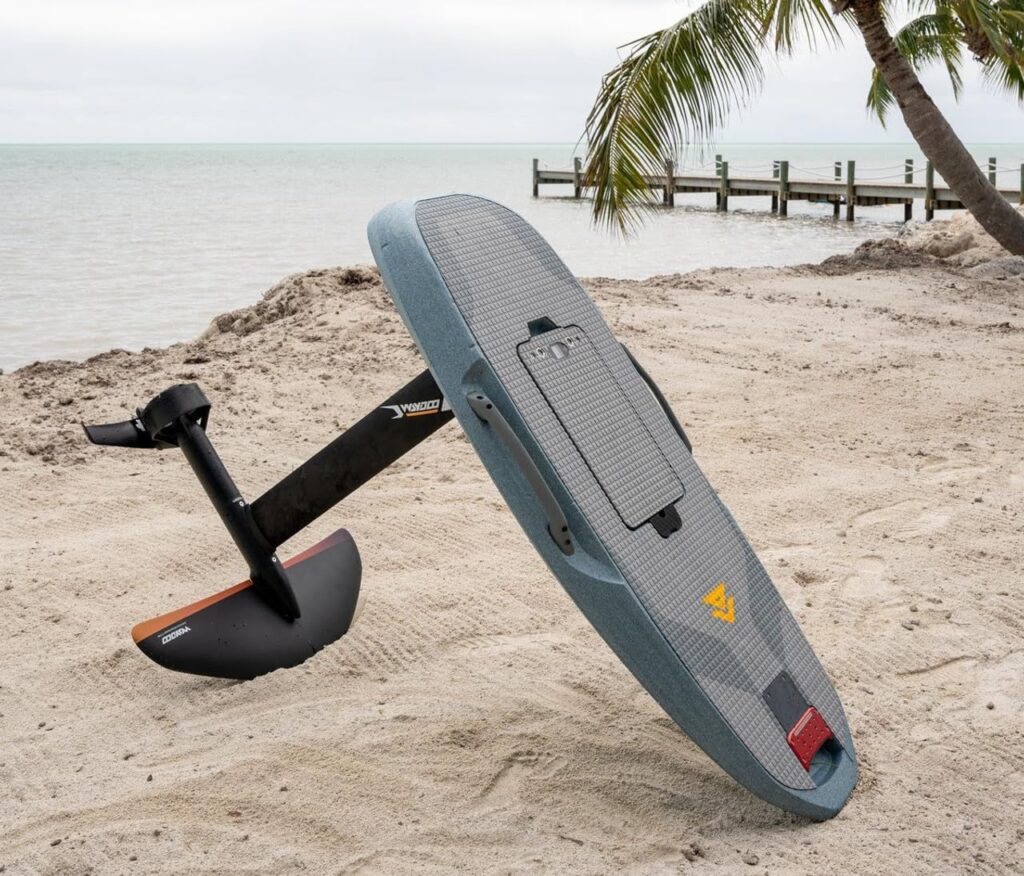
For electric hydrofoil boards specifically, the battery and motor system accounts for an enormous portion of the total price.
Hawaii Efoil Experience estimates that the battery and motor alone can represent $5,000 to $7,000 of the total eFoil price.
Waterproof lithium-ion batteries engineered to the tolerances required for a personal watercraft rapid charging, long lifespan, sealed for saltwater exposure, safe at speed are genuinely expensive components.
Hydrofoiling.org confirms that battery packs often account for 30 to 40 percent of an eFoil’s total cost.
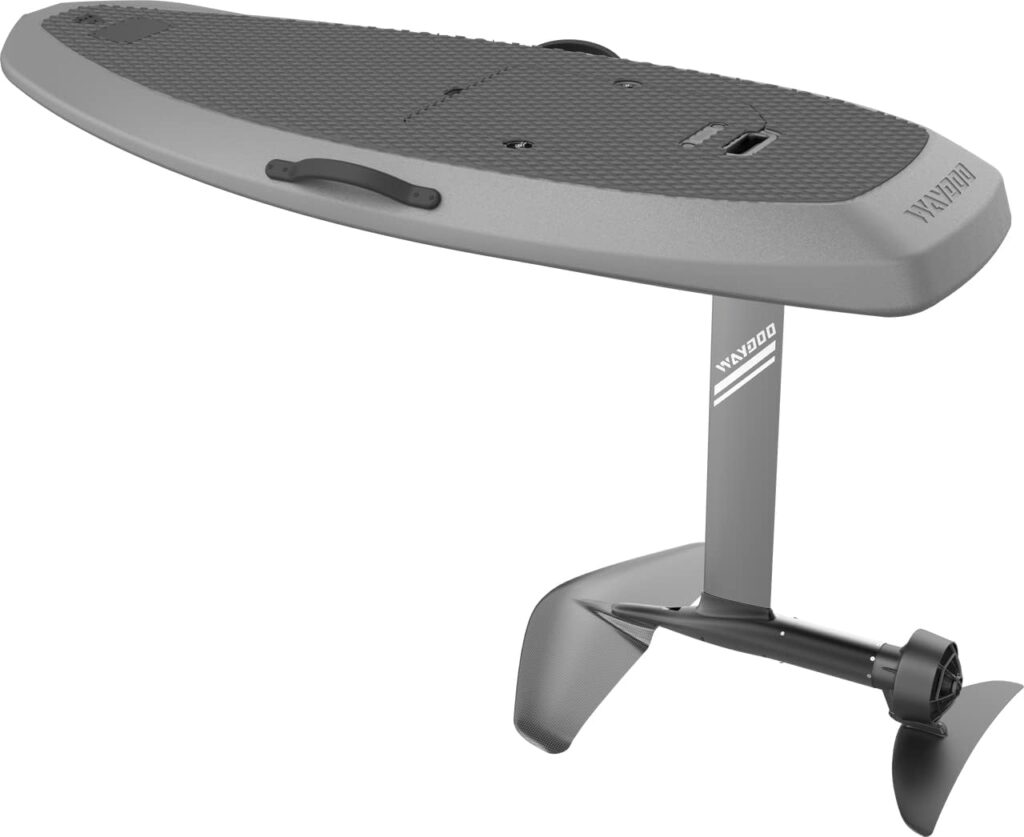
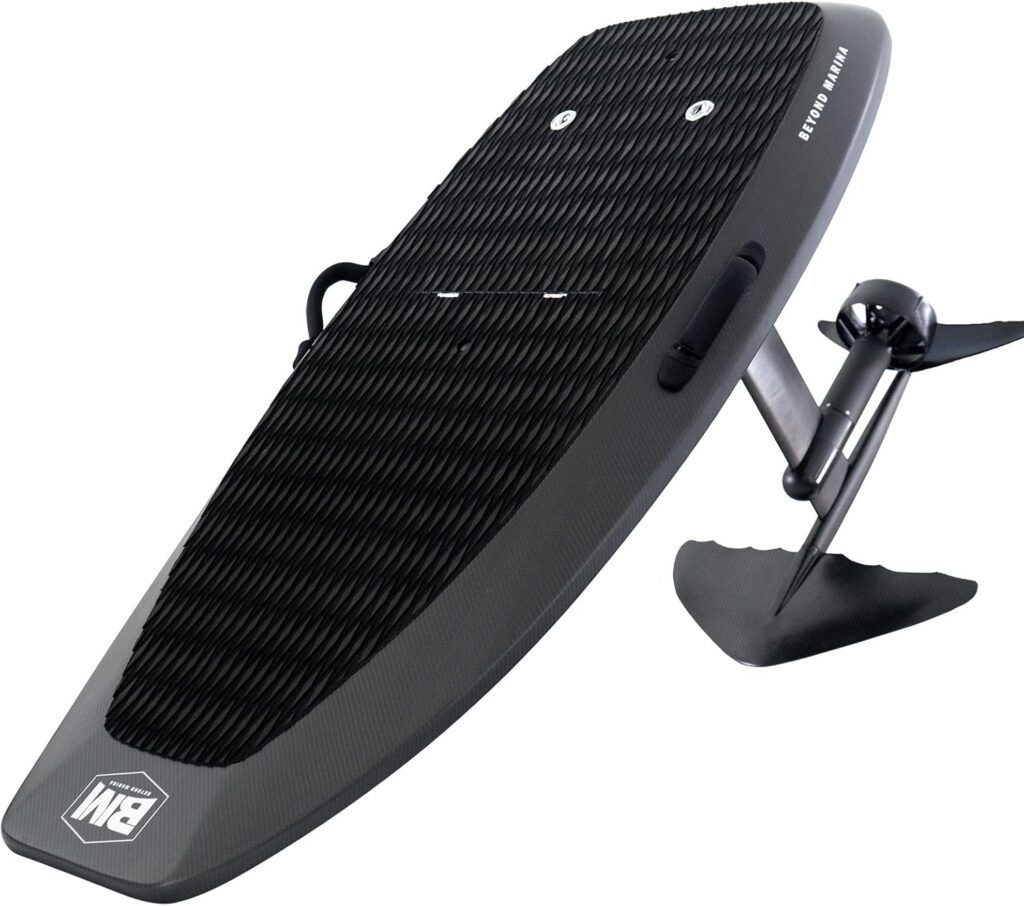
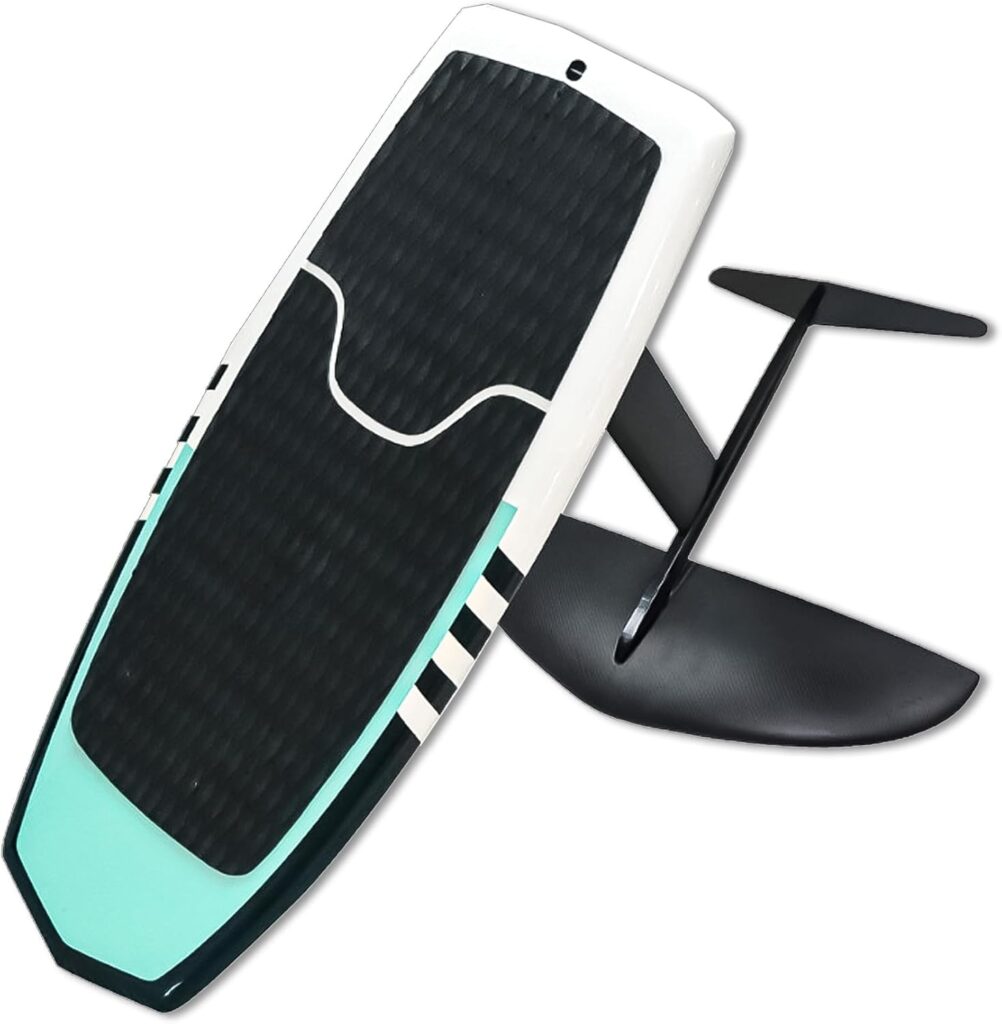
Hydrofoil Board Cost by Discipline: The Full Price Map
Here is a comprehensive look at what you can realistically expect to pay across every major foiling discipline. All prices are for complete, ride-ready setups unless otherwise noted.
| Discipline / Setup | Entry-Level | Mid-Range | Premium / Pro |
| Manual Surf Foil | $1,200–$2,500 | $2,500–$5,000 | $5,000–$10,000+ |
| Wake Foil (complete) | $1,500–$3,000 | $3,000–$6,000 | $6,000+ |
| Wing Foil (board+foil+wing) | $2,000–$3,500 | $3,500–$6,000 | $6,000–$10,000+ |
| Kite Foil (foil+board) | $1,500–$3,000 | $3,000–$6,000 | $6,000–$12,000+ |
| eFoil (electric) | $5,800–$7,500 | $7,500–$12,000 | $12,000–$20,000+ |
What the Entry-Level Actually Gets You
Entry-level does not mean bad. It means beginner-appropriate which is exactly what you want when you’re starting out.
At the entry price point for manual foils ($1,200 to $1,500 for a complete kit), you’ll typically get an aluminum mast and fuselage, a mid-size to large front wing with plenty of low-speed lift, a stable beginner board in the 70 to 100 liter range, and basic foot straps.
It will be heavier than carbon setups and will have a lower performance ceiling but it will fly, it will be forgiving, and it will teach you everything you need to know.
What the Mid-Range Gets You
Mid-range setups ($2,500 to $6,000 depending on discipline) typically step you into fiberglass construction, carbon fiber masts, modular wing systems you can swap as your skills grow, and noticeably better overall performance and feel.
Most passionate hobbyist riders are happiest in this price range. It is the sweet spot between accessibility and genuine performance.
What the Premium Gets You
At the premium end ($6,000 to $20,000+), you’re buying full carbon construction, brand-name engineering pedigree, cross-compatibility between wing types and disciplines, the most responsive foil feel available, and in the eFoil world, the most advanced battery management systems, flight-assist technology, and dealer support networks.
These setups are for riders who have committed to foiling as a serious long-term pursuit and want the best equipment available.
eFoil Brands Compared: What You Get at Each Price Point
Electric hydrofoil boards deserve their own comparison because the price variation between brands is especially significant and the differences between a $6,000 eFoil and a $16,000 one are not always obvious to someone buying their first board.
Here is an honest brand-by-brand breakdown.
| Brand | Price Range | Best For | Key Differentiator |
| Waydoo | $5,800–$8,500 | Beginners / value | Gyro-assist stability, foam deck, modular |
| SiFly | $7,000–$9,500 | Beginners / intermediate | Soft-top, upgradeable mast & wings |
| Lift Foils | $12,000–$16,000 | Intermediate / advanced | 15+ yrs foil heritage, cross-wing compatibility |
| Fliteboard | $6,995–$19,995 | All levels | Widest lineup — inflatable AIR to race Ultra |
| Radinn | $9,000–$14,000 | Advanced / speed | 35+ mph, jet propulsion system |
A note on Fliteboard pricing: Fliteboard pricing goes from the entry-level Flite AIR at approximately USD $6,995, the most affordable genuine eFoil on the market all the way to the Marc Newson MN86 designer edition at USD $19,995.
Most buyers will find their sweet spot somewhere in the $8,000 to $12,000 range of their standard lineup.
The Hidden Costs of Hydrofoiling Nobody Tells You About
This is the section most buying guides skip, and it is the most important one for budgeting purposes. The board price is just the beginning. Here is what you actually need to budget for beyond the board itself:
| Cost Item | Estimated Range | Notes |
| Helmet | $60–$200 | Non-negotiable — watersport rated |
| Impact Vest / PFD | $80–$250 | 50N buoyancy minimum |
| Foil-specific leash | $30–$80 | Quick-release mechanism essential |
| Wetsuit (3mm) | $150–$400 | Even warm water — rash & cold protection |
| Board bag / travel case | $100–$300 | Carbon boards crack on pavement drops |
| Lessons (per session) | $100–$300 | 2–3 sessions strongly recommended |
| Anti-corrosion grease (Tef-Gel) | $20–$40 | Annual — prevents seized bolts |
| Annual maintenance (avg) | $200–$1,000 | Bolts, wings, battery care (eFoil) |
| Spare battery (eFoil only) | $1,500–$3,500 | Extends sessions; major cost item |
The One You Must Never Skip: Anti-Corrosion Maintenance
Saltwater is genuinely destructive to aluminum and even carbon fiber components.
A simple monthly application of Tef-Gel or a similar anti-corrosion lubricant on your mast-to-board bolts and fuselage connections is the difference between a $20 maintenance habit and a $500+ repair bill or, as Hydrofoiling.org memorably documented, a situation where you need a blowtorch and a sledgehammer to separate a mast that has been salt-welded to its fuselage.
Apply anti-corrosion treatment after every saltwater session, rinse everything with fresh water, and store your gear properly.
The eFoil Battery Replacement Reality
Modern eFoil batteries are rated for 500 to 1,000+ charge cycles (confirmed by Ritz Marine’s 2026 eFoil buying guide). At 2 to 3 rides per week, that represents several years of use before noticeable degradation. But when battery replacement does come, it is not cheap.
Spare or replacement batteries from premium brands like Fliteboard or Lift Foils typically cost $1,500 to $3,500. Factor this into your long-term cost picture.
Lessons: Invest Here Before Anywhere Else
This is counterintuitive to some buyers, but spending money on 2 to 3 professional lessons before buying your own gear is one of the most financially sound decisions you can make. Why?
Because experienced instructors will watch your specific body mechanics, tell you what size board and wing you actually need for your weight and style, and save you from buying the wrong gear.
Buying the wrong gear; too small, wrong wing size or wrong discipline is the most expensive beginner mistake in foiling. Lessons cost $100 to $300 per session. Getting the wrong board costs thousands.
Buying New vs. Used: What the Numbers Say
Used hydrofoil gear can cost 30 to 50 percent less than new (per Hydrofoiling.org’s cost breakdown). And unlike cars, quality foiling equipment from premium brands holds its value well as top-tier eFoil brands like Lift Foils and Fliteboard retain approximately 70% of their value after two seasons of proper care.
So, buying used is a legitimate option but it comes with specific risks that don’t exist with new gear. Here’s the full picture:
| Factor | Buying New | Buying Used |
| Price | Full retail | 30–50% less on average |
| Warranty | Full manufacturer warranty | None — buyer’s risk |
| Condition certainty | Perfect, unridden | Inspect for cracks, corrosion, battery cycles |
| Availability | Any model / config | Limited to what’s listed |
| Latest tech | Current generation | May be 1–3 generations old |
| Resale later | Best resale position | Lower ceiling — already depreciated |
| Recommended for | First-time buyers wanting peace of mind | Experienced riders who can inspect gear |
What to Check When Buying a Used Hydrofoil
If you’re going the used route, here is what to inspect before handing over any money:
- Carbon fiber components: Look carefully along the mast, fuselage, and wing trailing edges for hairline cracks, delamination, or chips. A small nick on a wing trailing edge can cause ventilation (sudden loss of lift) at speed.
- Aluminum mast corrosion: Look for bubbling paint or white powdery deposits underneath the surface. This is salt-water corrosion which weakens the metal structurally and can cause failures.
- Bolt threads and hardware: All mounting bolts should turn smoothly with no stripping. Damaged threads are a sign of poor maintenance.
- eFoil battery health: Ask for the cycle count. A battery with 800+ cycles on a 1,000-cycle-rated pack is effectively near end-of-life. A ‘cheap’ eFoil with a dying battery is an expensive paperweight.
- Remote and electronics (eFoil): Test the remote pairing, motor response, and throttle smoothness. Bluetooth pairing failures or erratic throttle behavior indicate electronics problems.
Reliable used foil marketplaces include Foil Bay, local watersports Facebook groups, and brand-specific community forums.
Buying from someone in your area who will let you inspect and ideally test the gear in the water is always preferable to shipping an unknown setup sight unseen.
7 Smart Ways to Reduce Your Hydrofoil Costs Without Sacrificing Quality
- Start with a complete kit, not individual components. Buying a matched kit from a reputable brand guarantees compatibility, includes a basic warranty, and is almost always better value than piecing together individual parts from different brands as a beginner.
- Begin with an aluminum foil setup, not carbon. Aluminum entry-level setups are genuinely good learning tools and cost a fraction of carbon equivalents. Many experienced foilers started on aluminum and don’t regret it at all. Upgrade to carbon when you’ve outgrown entry-level performance.
- Try before you buy, eFoil rentals exist. Many water sports centres and coastal rental businesses offer eFoil sessions by the hour for $75 to $150. A 90-minute rental session will tell you more about whether you love it than any number of YouTube videos and it might save you from a $7,000 purchase you end up not enjoying.
- Buy last year’s model. When brands release new versions of eFoils (which happens regularly), the previous generation typically drops in price while remaining an excellent board. The Lift Foils Lift3 and Lift4 are both still outstanding boards at reduced pricing as the Lift5 has entered the market.
- Maintain obsessively. The best way to reduce long-term costs is to make your gear last. Rinse after every session, apply Tef-Gel regularly, store out of direct sunlight, and keep everything in a board bag. Proper maintenance routinely doubles the functional lifespan of hydrofoil equipment.
- Join a local foiling club or community. Many foiling communities have shared gear programs, group lesson discounts, and members who sell well-maintained used equipment to people they trust. Local clubs are also the fastest path to learning. Being around experienced riders accelerates your progress dramatically.
- Consider the total cost of ownership, not just the purchase price. A $5,800 eFoil that needs $2,000 in repairs and battery replacement within 18 months costs more than a $7,500 eFoil from a brand with a 3-year warranty and strong dealer support. Look beyond the sticker price.
Is a Hydrofoil Board Worth the Cost?
Let’s address this directly, because it is what everyone is really asking.
Compared to Other Premium Water Sports
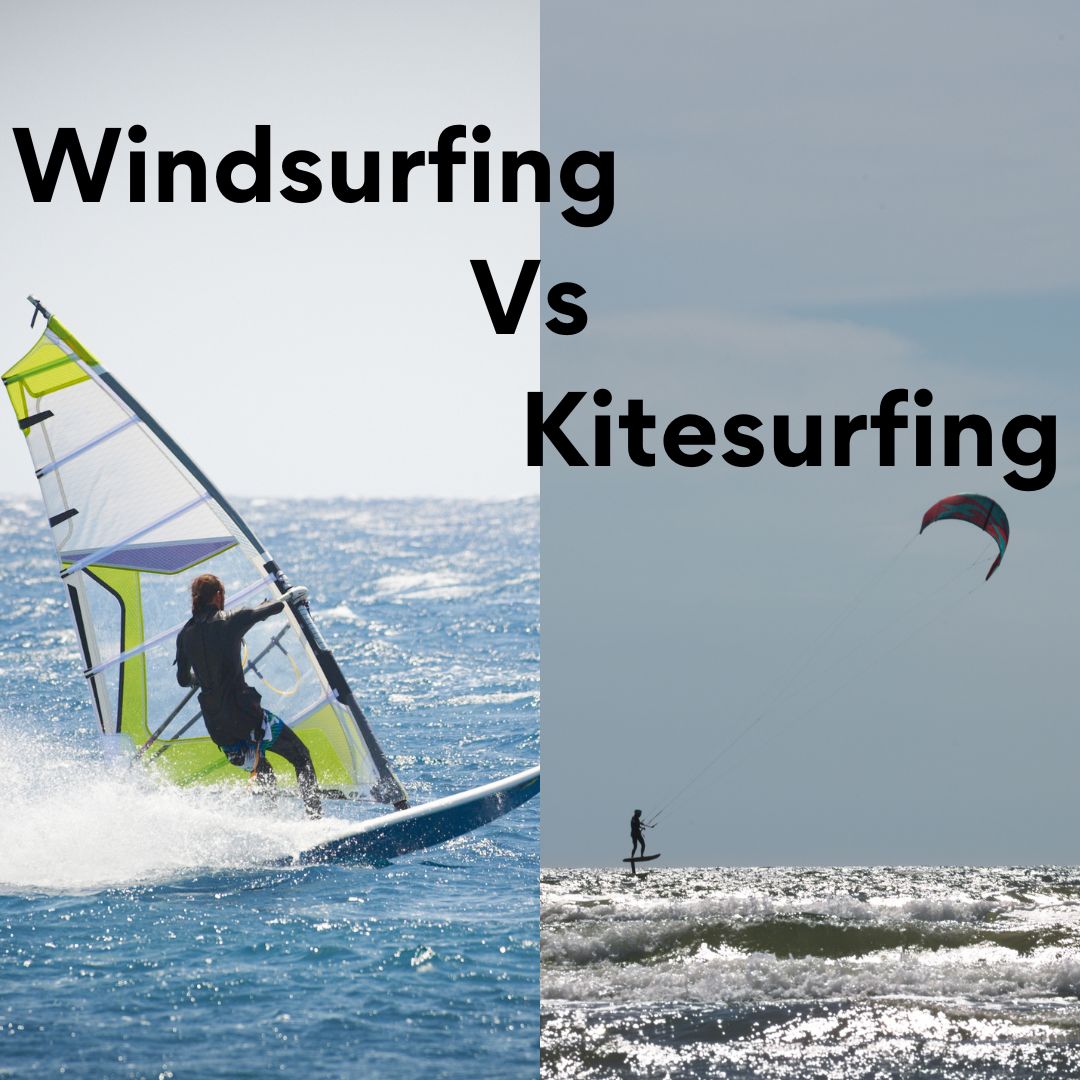
Kitesurfing requires a kite ($1,000 to $2,500), board ($300 to $800), and control bar/harness system ($300 to $600) – that’s $1,600 to $3,900 before lessons.
Surfing with quality boards across multiple conditions can easily reach $2,000 to $5,000 in equipment over time.
A jet ski new from a dealer starts at $8,000 to $18,000 and requires fuel, insurance, trailer, and registration on top.
In that context, a $1,500 manual foil kit or even a $6,500 eFoil starts to look considerably more reasonable especially when you consider that the eFoil needs no fuel, produces zero emissions, and can be transported in the back of most SUVs.
The ‘Cost Per Ride’ Perspective
A standard surfer on a shortboard gets roughly 8 to 10 waves per session. A hydrofoiler particularly on a manual foil or eFoil can ride continuously, connecting waves, riding tiny swells that a surfer would ignore, or simply lapping a lake on an eFoil for 90 minutes straight.
The experience per session is fundamentally different from any other water sport.
The Resale Value Reality
Premium eFoil brands like Lift Foils and Fliteboard hold approximately 70% of their resale value after two seasons of proper use and care.
That is exceptional for a water sport product. If you buy wisely, maintain properly, and decide foiling is not for you after 2 years, you can recover a significant portion of your investment.
Who Should Buy and Who Should Wait
You are ready to buy if you have tested foiling (rental or lessons) and are genuinely hooked, you have a realistic budget that includes gear AND safety equipment AND lessons, and you have regular access to appropriate water.
You should wait if you have not tried foiling yet and are considering spending more than $3,000 on gear you have never felt, your budget covers the board but not the safety gear, or you are looking for a sport you can master in a single afternoon.
Frequently Asked Questions About Hydrofoil Cost
What is the cheapest way to start hydrofoiling?
The most affordable genuine starting point is a complete entry-level manual foil kit (surf, wake, or wing) with an aluminum mast and large front wing, from a brand like Slingshot or Mackiteboarding.
These complete kits start around $1,200 to $1,500. Add basic safety gear (helmet, impact vest, leash) for approximately $200 to $400. Total entry point: $1,400 to $1,900 for manual foiling.
What is the cheapest eFoil you can buy?
The most affordable genuine eFoil on the market from a reputable manufacturer is the Waydoo Flyer One+ at approximately $5,800 to $7,500.
The Fliteboard AIR (inflatable eFoil) starts at approximately $6,995 USD. Be cautious of no-name eFoils marketed at $1,500 to $3,000; these typically use low-quality battery systems that can be genuinely dangerous and perform poorly.
How much do hydrofoil lessons cost?
Professional hydrofoil lessons typically cost between $100 and $300 per session, depending on your location, instructor reputation, and whether gear is included. Most people need 2 to 3 sessions to develop confident basic skills.
The investment is almost always worth it. The right instruction saves you from buying wrong gear and learns you correct falling technique that reduces injury risk significantly.
Do I need to buy everything new?
Not necessarily. Used foil gear, when carefully inspected can be purchased for 30 to 50 percent less than new prices.
The key is knowing what to check: carbon fiber cracks, mast corrosion, battery cycle count on eFoils, and whether all hardware threads are clean and functional. If you’re comfortable inspecting gear, buying used is a legitimate way to get into a higher-quality setup at a lower price.
How much does a hydrofoil board cost to maintain per year?
Annual maintenance for a manual hydrofoil setup averages $200 to $500: primarily anti-corrosion products, replacement hardware bolts, and occasional wing or mast inspection.
For eFoils, annual maintenance runs higher: $500 to $1,000, accounting for battery care, charger maintenance, motor inspections, and potential electronic servicing. These costs can be significantly reduced by consistent fresh-water rinsing and proper storage.
Can I rent a hydrofoil board instead of buying?
Yes, and this is actually the recommended first step. Many coastal water sports centres, kite schools, and dedicated eFoil experience businesses offer rentals by the hour ($75 to $150) or introductory lesson packages ($150 to $300 for a 90-minute guided session).
Renting before buying is the single best way to make sure you’re spending your money on something you’ll genuinely love.
The Bottom Line on Hydrofoil Board Cost
Hydrofoil board cost ranges from approximately $1,200 for a complete entry-level manual foil kit all the way to $20,000+ for a top-tier eFoil and everything in between is a legitimate option depending on your discipline, experience level, and budget.
The key insight most guides miss is that the board price is only the beginning. Budget properly for safety gear ($200 to $600), at least 2 lessons ($200 to $600), anti-corrosion maintenance ($20 to $40 annually), and a board bag ($100 to $300).
For eFoils, factor in the long-term battery replacement reality.
The water is genuinely worth the price of admission. People who foil consistently describe it as the most addictive water experience they’ve ever had. Now you have the full cost picture so, you can make your decision with your eyes fully open.