What Is an E-Foil and How Does It Work?
What is an E-foil and how does it work? It is one of the first questions people ask after seeing someone glide silently above the water like a scene from a science-fiction movie. No waves. No rope. No engine noise roaring in the background. Just a rider floating over the surface as if gravity took the afternoon off.
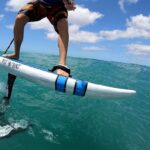
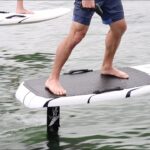
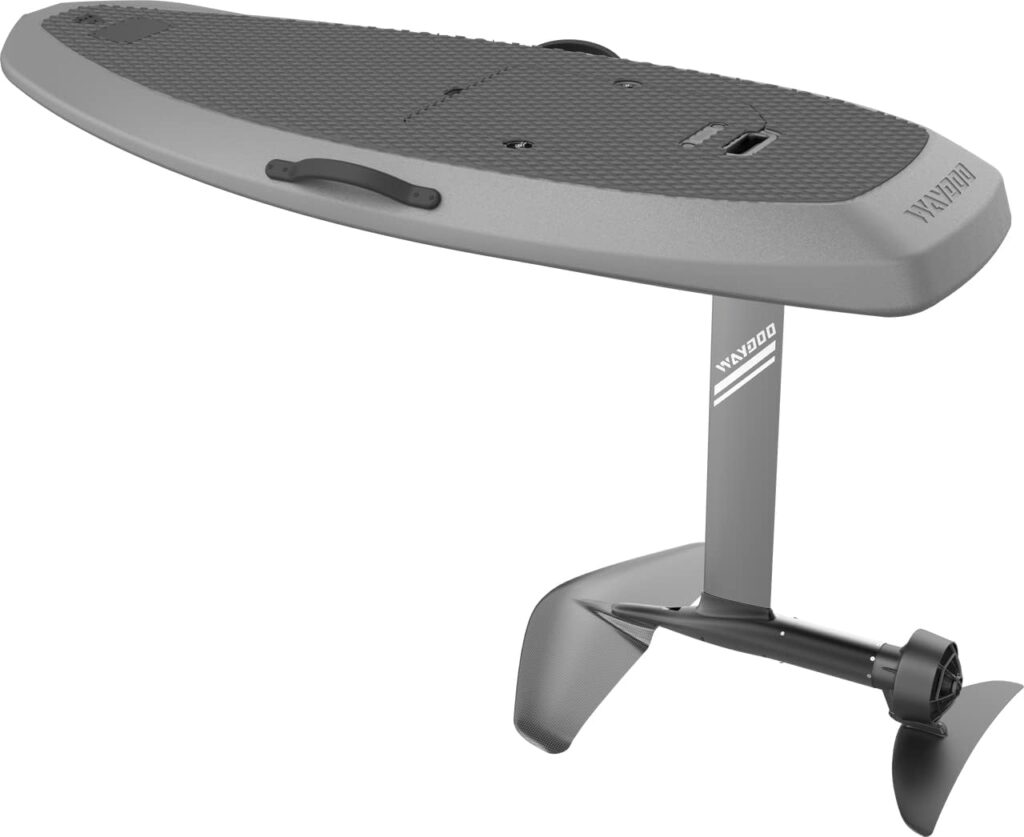
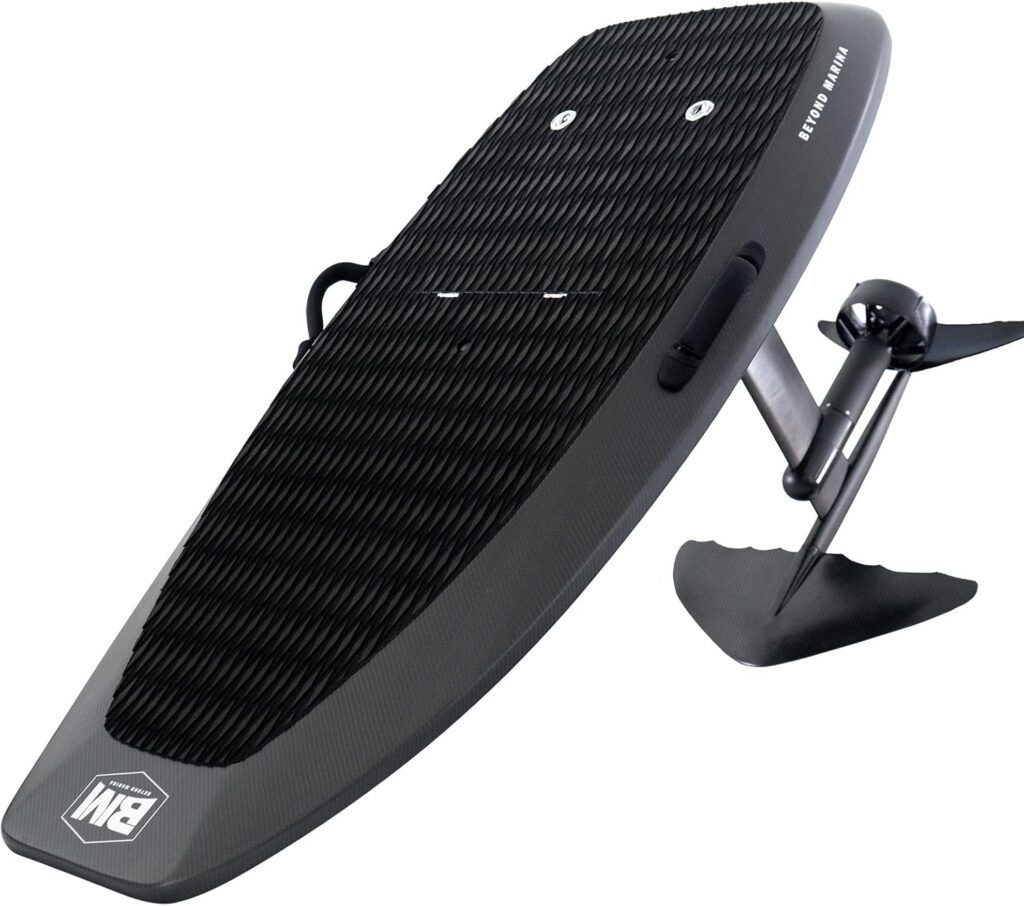
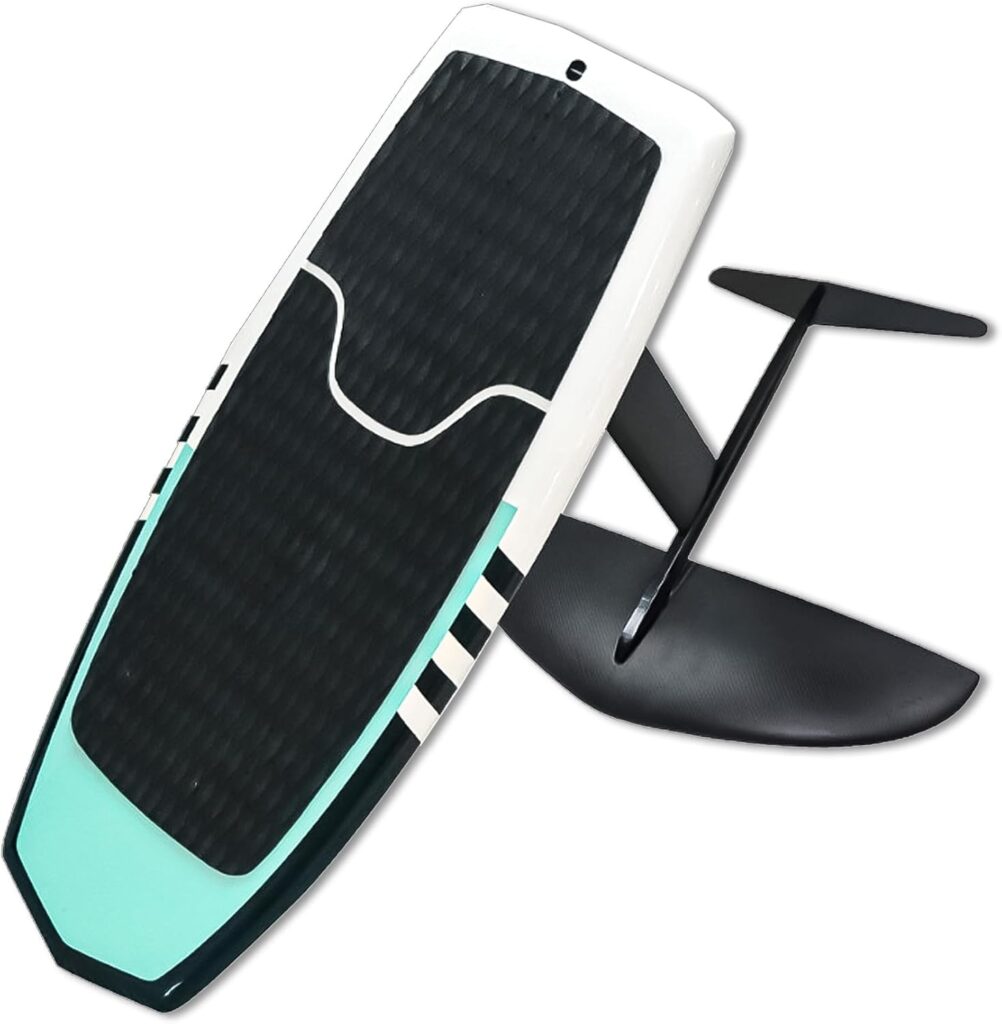
An E-foil looks like a surfboard at first glance, but beneath the board sits a hydrofoil wing and an electric motor. Once the board gains enough speed, the wing lifts the rider above the water. The strange part is how smooth it feels.
The funny thing is that most people seeing an E-foil for the first time react the same way. First comes confusion. Then disbelief. Then somebody inevitably asks, “Is that thing even real?” Yes, it is real. And it may be one of the most fascinating water sports inventions of the last decade.
What Is an E-Foil?
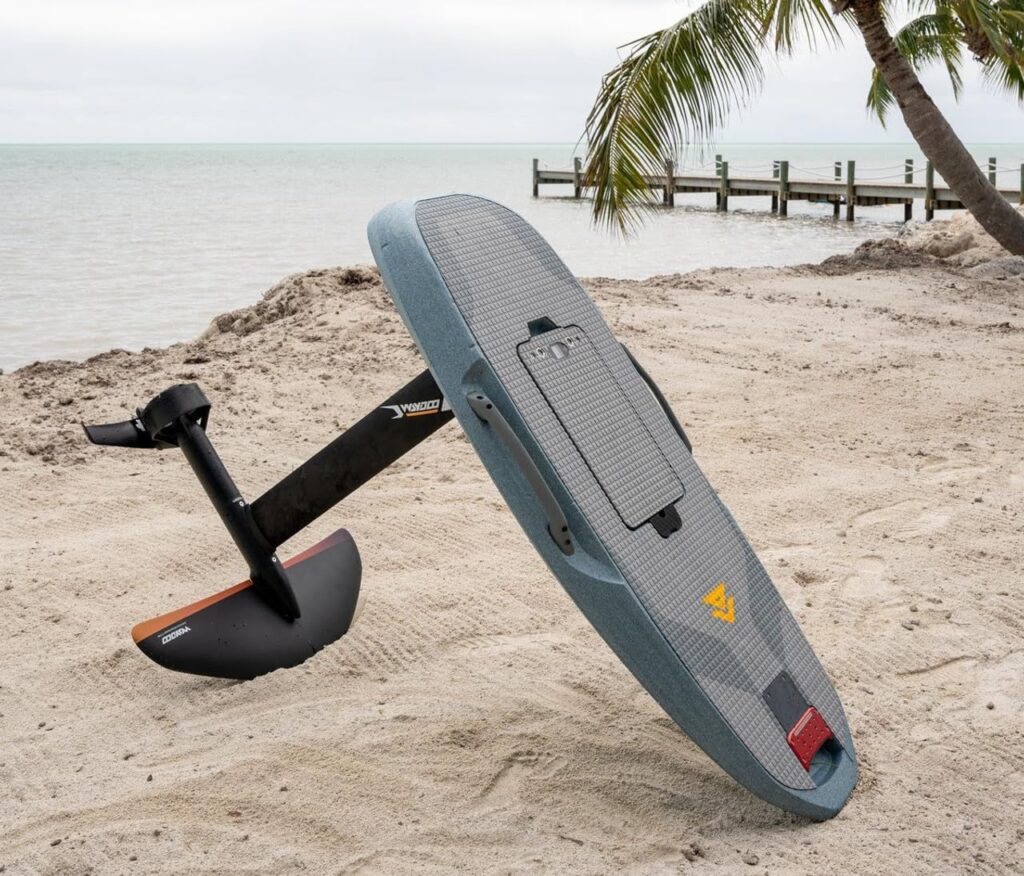
An E-foil, also called an electric hydrofoil board, is a motorized surfboard fitted with a hydrofoil underneath. The hydrofoil acts like an underwater wing. As the board moves forward, the wing generates lift and raises the board above the water’s surface.
Unlike traditional surfing, an E-foil does not need waves, wind, or a towing boat. A battery-powered electric motor provides propulsion while the rider controls speed using a wireless handheld remote.
That combination of lift and electric propulsion is exactly why people looking for “What is an E-foil and how does it work?” become fascinated so quickly. It looks futuristic because, in many ways, it is.
How Does an E-Foil Work?
The answer to “What is an E-foil and how does it work?” comes down to four major components working together:
1. The Board
The board is the platform the rider stands on. Some are large and stable for beginners. Others are shorter and more agile for experienced riders. Most modern boards are made from lightweight materials like carbon fiber or fiberglass.
2. The Hydrofoil Wing
This is the magic part.
The hydrofoil sits underwater and behaves much like an airplane wing. As water flows over the foil, pressure differences create lift. When enough lift builds, the board rises above the surface.
The result is less drag, smoother movement, and higher efficiency.
3. The Electric Motor
An E-foil uses a quiet electric motor mounted near the foil mast. The motor spins a propeller that pushes the board forward through the water. Most systems use brushless electric motors powered by lithium-ion batteries.
4. The Battery and Remote
The battery is usually housed inside the board itself. Depending on speed, rider weight, and water conditions, battery life generally ranges from 45 minutes to 2 hours.
The rider controls acceleration using a handheld wireless remote. Push the throttle gently and the board gains speed. Push harder and the foil lifts higher above the water.
Why Does an E-Foil Lift Above the Water?
This is where the science becomes surprisingly simple.
When the hydrofoil wing moves through water, it creates lift because water pressure changes around the shape of the wing. The faster the board travels, the more lift is generated. Eventually, the board rises above the surface.
Once airborne, the board experiences far less drag than a regular surfboard. That reduction in resistance is what gives an E-foil its smooth and floating sensation.
In short, the answer to “What is an E-foil and how does it work?” is really a story about hydrodynamics, electric propulsion, and balance all working together.
Is an E-Foil Hard to Learn?
Surprisingly, many beginners learn the basics faster than expected.
Most riders begin kneeling before gradually standing up. Balance and throttle control are the hardest parts at first. According to rider discussions and beginner guides, many people become comfortable within one or two sessions.
That said, there is definitely a learning curve. Falling is normal. Even experienced water sports athletes admit the first rides can feel awkward.
The good news is that modern beginner boards are designed for stability, making the sport much more accessible than early models.
How Fast Can an E-Foil Go?
Most E-foils can reach speeds between 20 and 35 miles per hour, depending on the model and rider weight. Some high-performance versions can go even faster.
At full speed, riding an E-foil feels closer to snowboarding or flying than traditional surfing.
How Long Does an E-Foil Battery Last?
Battery life varies by model and riding style.
Typical ride times range from:
- 45 minutes for aggressive riding
- Around 90 minutes for normal cruising
- Up to 2 hours on some larger battery systems
Factors like rider weight, water conditions, and speed all affect battery duration.
Can You Ride an E-Foil Anywhere?
Mostly yes, but local laws matter.
An E-foil can operate on lakes, rivers, bays, and oceans as long as local regulations allow motorized watercraft. Some lakes restrict them because they are technically motor-powered vehicles.
Calm water is usually best for beginners.
Are E-Foils Safe?
E-foils are generally safe when used responsibly, though they still require caution.
Most brands include safety systems such as:
- Automatic motor shutoff during falls
- Propeller guards
- Waterproof battery protection
- Emergency kill switches
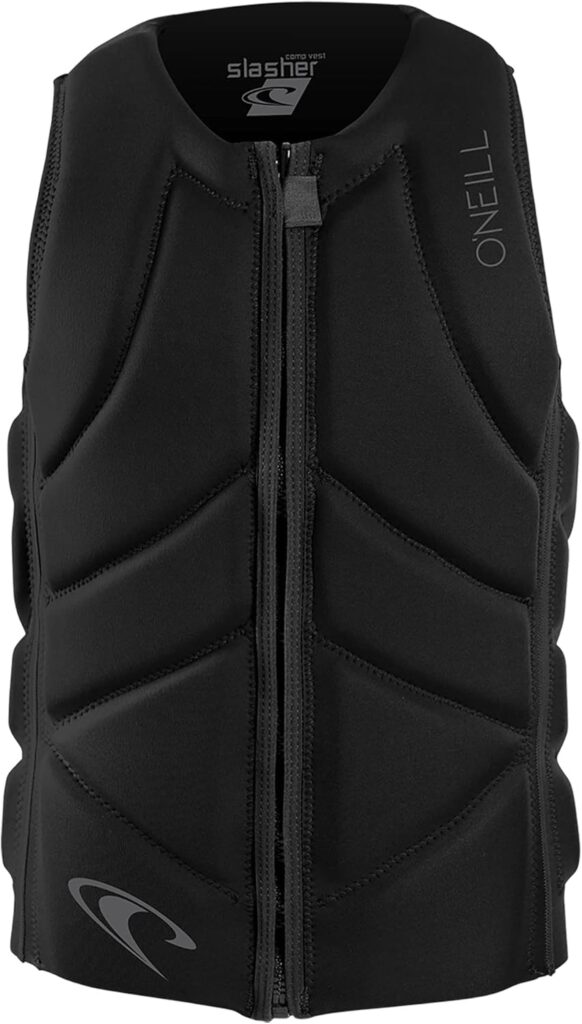
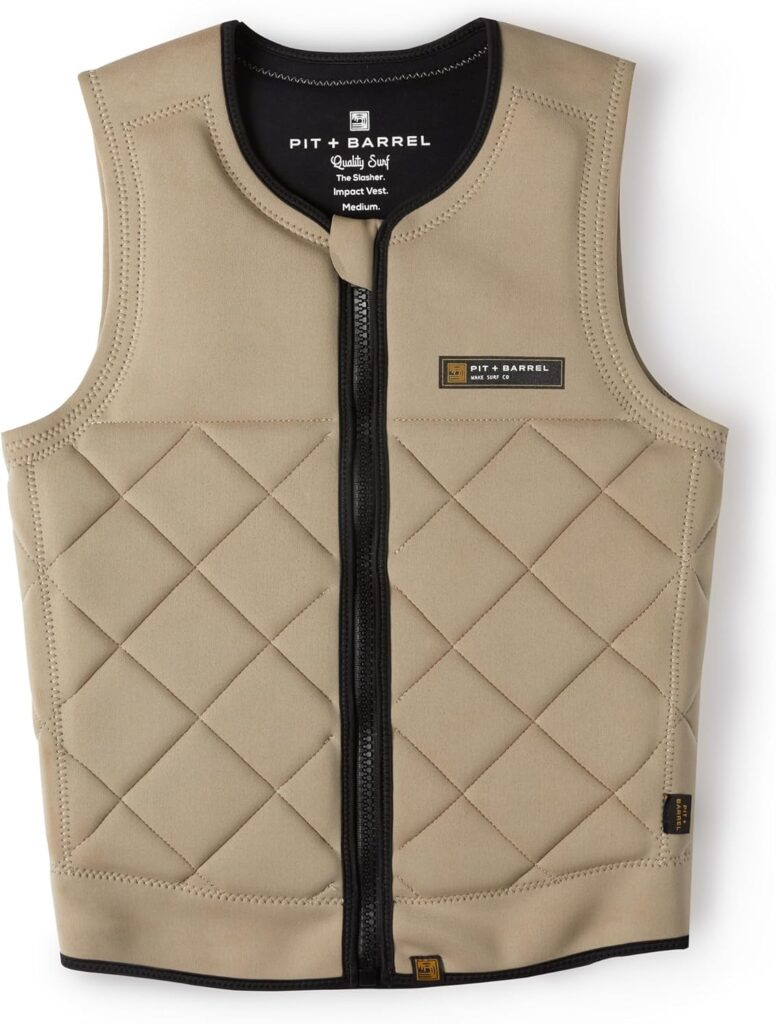
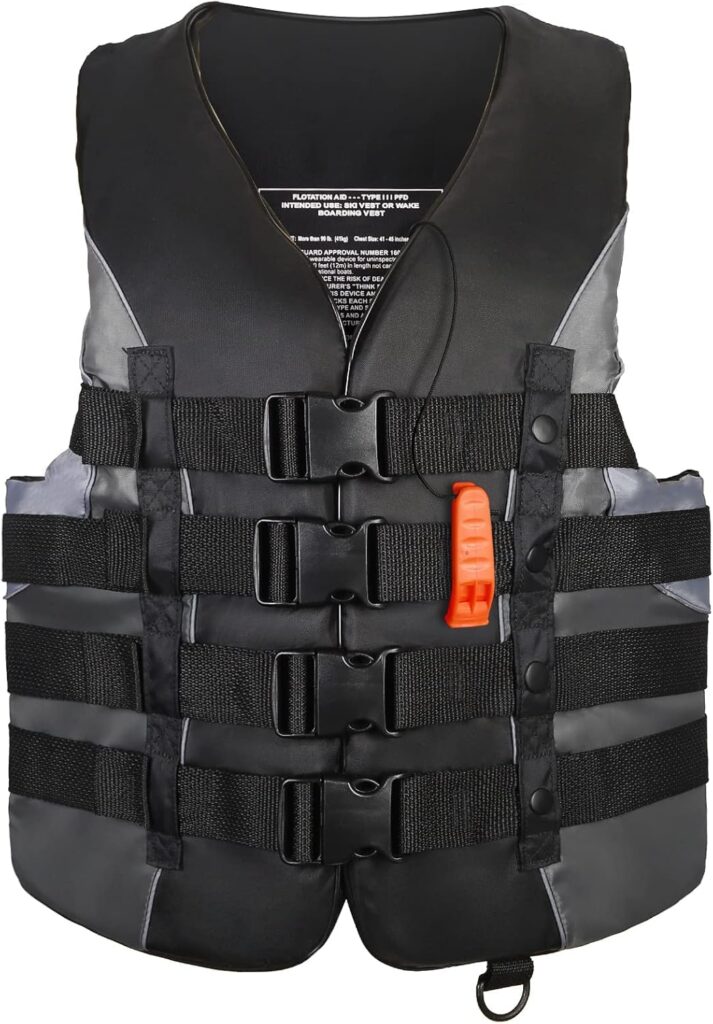
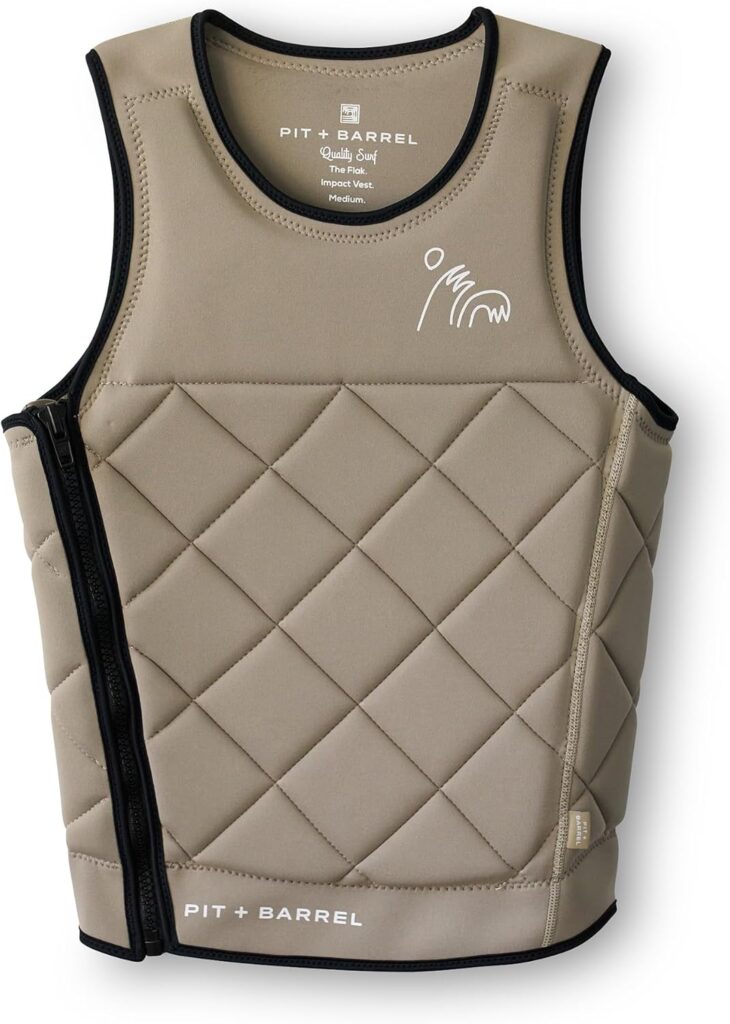
Wearing a helmet and impact vest is strongly recommended. Riders should also stay away from swimmers and crowded boating areas.
What Is the Difference Between an E-Foil and an Electric Surfboard?
People often confuse the two.
An electric surfboard stays on top of the water and skims across the surface. An E-foil rises above the water using its hydrofoil wing. That creates a smoother ride with less drag and usually better energy efficiency.
How Much Does an E-Foil Cost?
E-foils are expensive. Entry-level models usually start around several thousand dollars, while premium boards can exceed $10,000.
The high price comes from advanced materials, waterproof battery systems, carbon fiber construction, and precision engineering.
Still, many riders believe the experience justifies the cost.
Who Can Ride an E-Foil?
One reason the sport has exploded in popularity is accessibility.
You do not need waves, wind, or years of surfing experience. Beginners, older riders, and people without strong surfing backgrounds can still learn to ride an E-foil successfully.
Of course, good balance helps. So does patience. And perhaps a willingness to fall into the water looking mildly ridiculous for the first twenty minutes.
Why Are E-Foils Becoming So Popular?
The popularity comes down to one thing.
Nothing else feels quite like it.
An E-foil combines surfing, flying, wakeboarding, and technology into one experience. It is quiet, environmentally friendlier than gas-powered watercraft, and can be ridden almost anywhere with enough open water.
There is also the undeniable fact that an E-foil looks astonishingly cool.
Frequently Asked Questions About E-Foils
Do you need waves for an E-foil?
No. The electric motor provides propulsion, so waves are unnecessary.
Can beginners ride an E-foil?
Yes. Many E-foils are designed specifically for beginners with larger, more stable boards.
Is an E-foil environmentally friendly?
Compared to gasoline-powered watercraft, E-foils produce no direct emissions while riding and operate much more quietly.
How heavy is an E-foil?
Most weigh between 50 and 80 pounds depending on battery size and materials.
Can an E-foil sink?
Modern E-foils are designed to float even if power cuts off.
Is an E-foil worth it?
For riders who love water sports and technology, many owners say absolutely yes. The sensation is unlike nearly anything else available today.
Bottom Line on What is an E-foil and How Does It Work
So, what is an E-foil and how does it work? An E-foil is an electric hydrofoil surfboard that uses a battery-powered motor and underwater wing to lift riders above the water for an experience that feels remarkably close to flying.
It combines hydrodynamics, electric propulsion, and balance into one of the most innovative water sports inventions in recent years. Once you understand what an E-foil is and how it works, it becomes easy to see why so many riders become obsessed after their very first glide above the water.