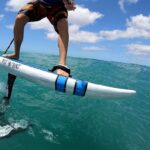
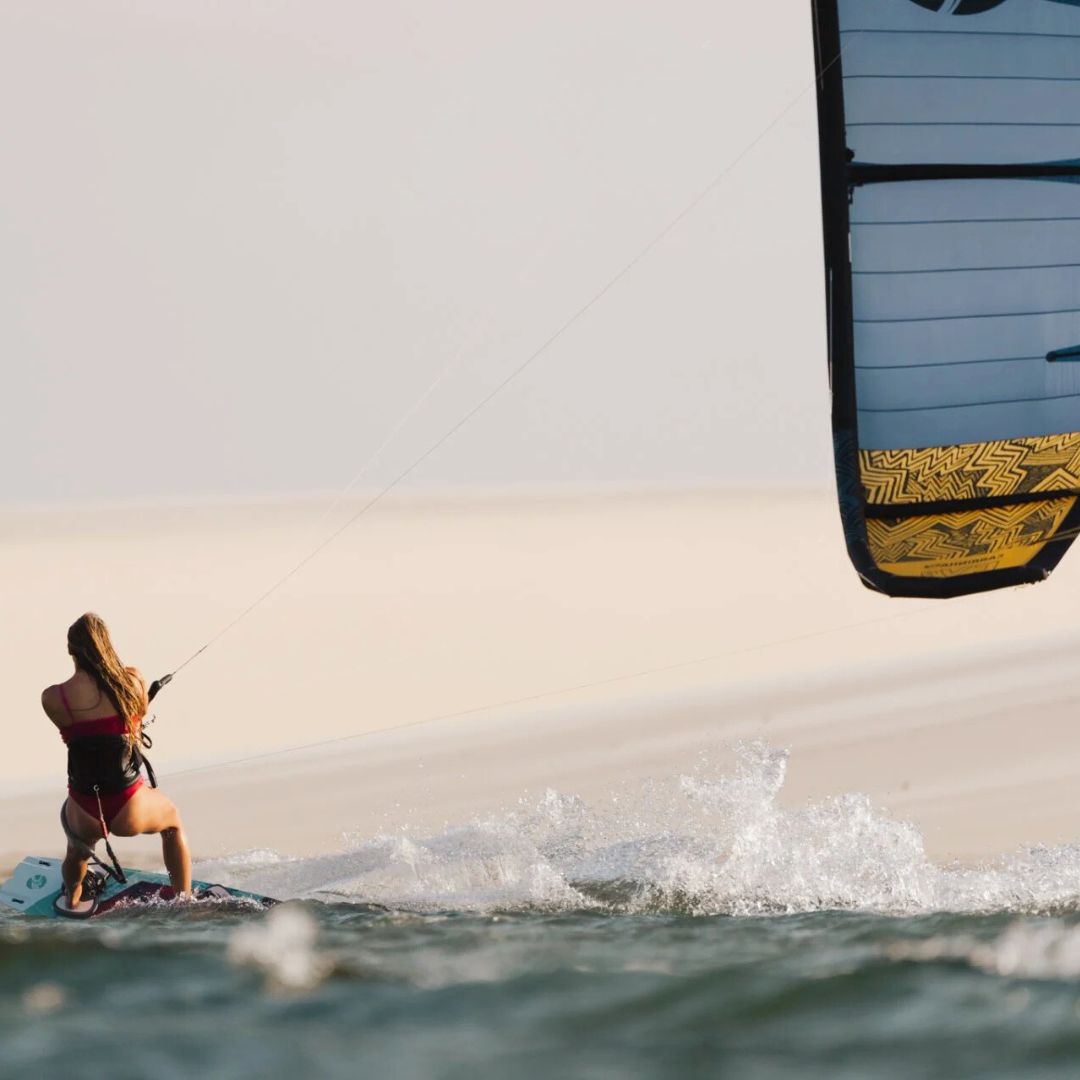
eFoil vs. Manual Hydrofoil Board: Which One Is Right for You?
The eFoil vs. manual hydrofoil board choice isn’t just about gadgets versus grit. It’s about your lifestyle, your budget, your fitness level, and honestly, what kind of fun you’re chasing on the water.
An eFoil straps an electric motor and a rechargeable battery underneath your board and lets you ride anywhere, anytime: flat water, no wind, no problem. A manual hydrofoil board, on the other hand, relies entirely on the power of nature: the wind, waves, or a kite to get you airborne.
Same breathtaking experience, two completely different journeys to get there. In this guide, we’re going to settle the eFoil vs. manual hydrofoil board question once and for all. We’ll break down the costs, the learning curves, the pros and cons, and tell you exactly which board makes the most sense for your situation.
What Exactly Is an eFoil?
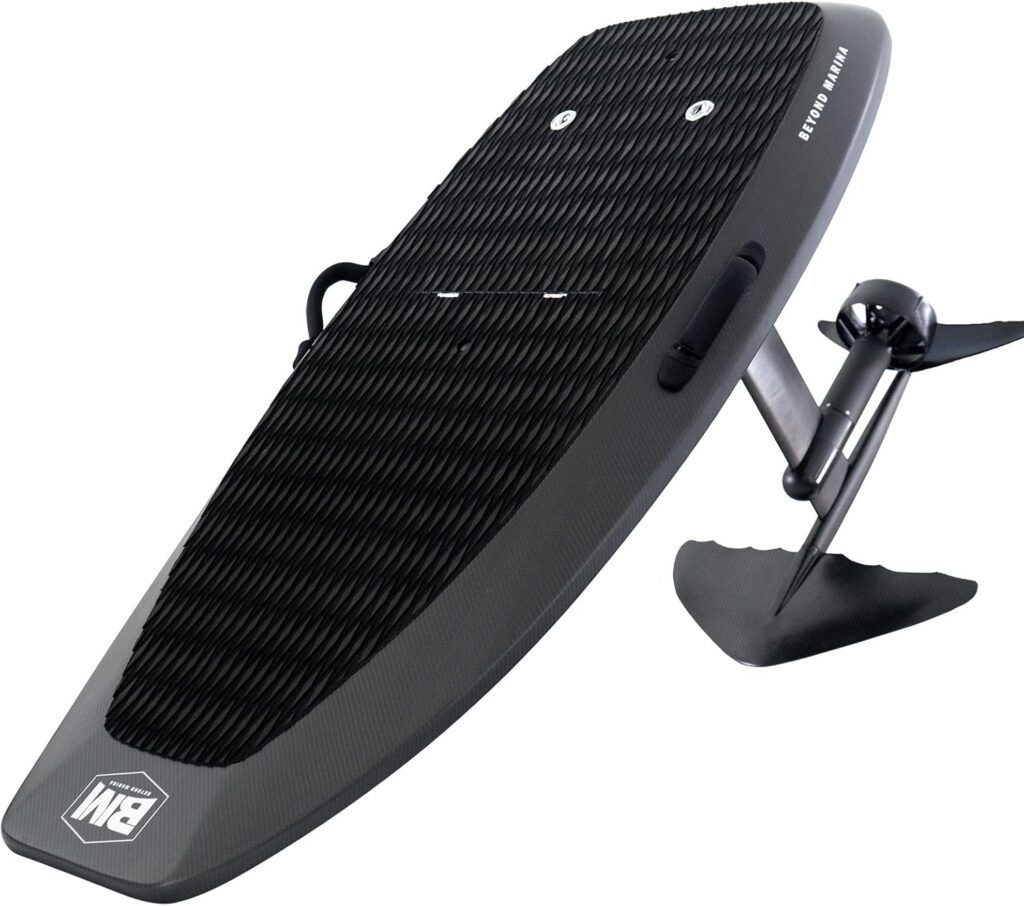
Let’s start with the basics. An eFoil, short for electric hydrofoil is a surfboard-style watercraft mounted on a hydrofoil mast. Below the waterline, there’s a set of underwater wings (the foil) attached to a motor and a battery pack.
You stand on the board, hold a wireless hand controller, and as the motor spins the propeller, the foil lifts the board completely out of the water. The result? You’re flying above the surface, silently, at speeds that can reach 25 to 30 miles per hour.
The eFoil was commercially popularized by Lift Foils, a Puerto Rico-based company that launched the concept around 2018. Since then, brands like Fliteboard (Australia), Waydoo, and Takuma have entered the market, each with their own design innovations and price points.
The global eFoil market is growing fast, valued at roughly $165 million in 2023 and projected to hit over $300 million by 2030, according to industry research.
What makes the eFoil so compelling especially when comparing the eFoil vs. manual hydrofoil board is its accessibility. You don’t need waves. You don’t need wind. You don’t need to be towed by a boat. A calm lake on a Tuesday afternoon? Perfect eFoil conditions.
This freedom is exactly why so many people are drawn to it first when exploring the electric hydrofoil vs. manual foil options.
What Exactly Is a Manual Hydrofoil Board?
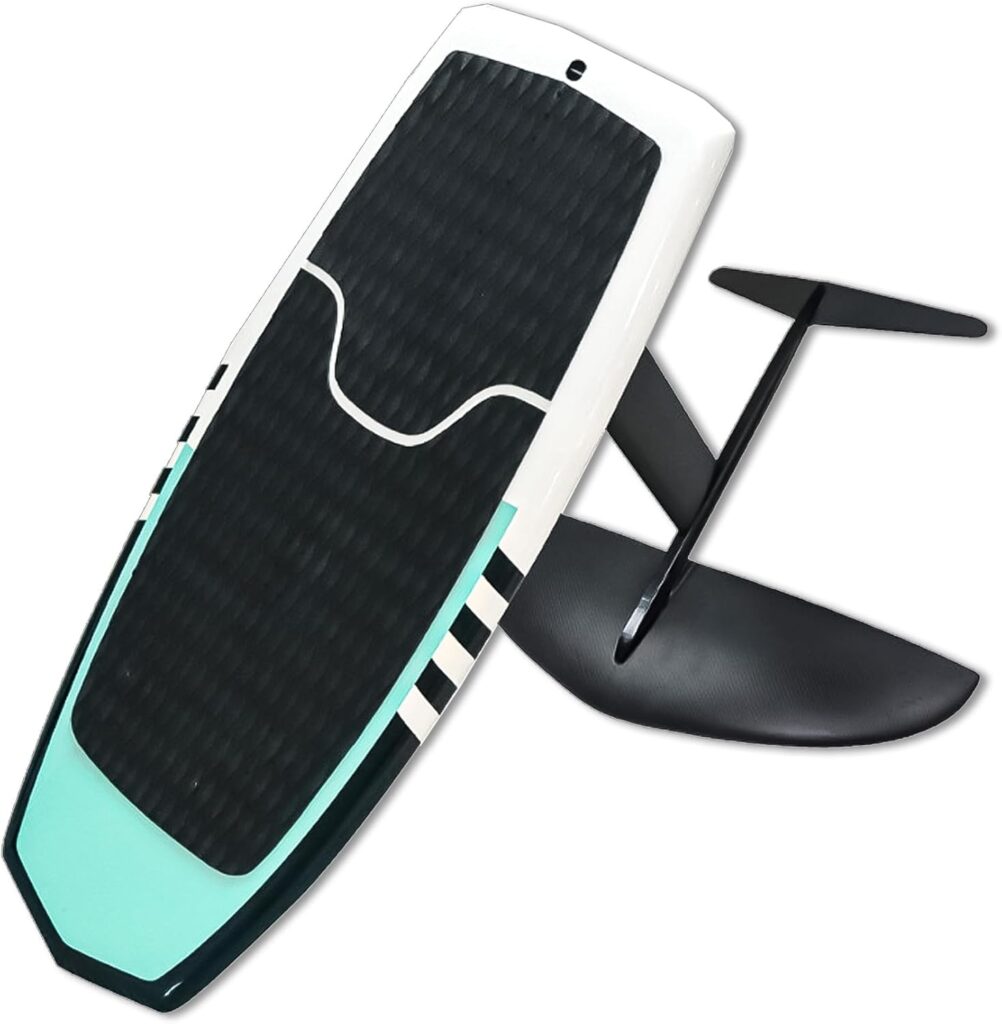
A manual hydrofoil board uses the same basic physics an underwater wing system that lifts the board out of the water but without any motor or battery.
Instead, the rider harnesses external energy: ocean waves (surf foiling), wind (wing foiling or windfoil), a kite (kite foiling), or even a towrope (wake foiling). The board rises when you generate enough speed from these natural or mechanical forces.
Manual hydrofoils have actually been around longer than eFoils. Early foiling concepts appeared in competitive sailing and boat racing as far back as the 1950s, but the recreational foilboard market took off in the mid-2010s as kitesurfers and big-wave surfers began experimenting with foil attachments.
Today, wing foiling where the rider holds an inflatable wing to catch wind while riding a foil board is probably the fastest-growing segment of manual hydrofoiling.
When you’re weighing eFoil vs. manual hydrofoil board options, the manual route demands a lot more from you physically and environmentally.
You need conditions; whether that’s a decent swell, consistent wind, or a functioning towrope setup and you need real skill to generate and maintain the lift yourself. But that challenge is also exactly what makes it so deeply satisfying for the riders who love it.
eFoil vs. Manual Hydrofoil Board: Side-by-Side Comparison
| Feature | eFoil | Manual Hydrofoil |
| Price Range | $4,000 – $12,000+ | $800 – $5,000+ |
| Power Source | Electric motor + battery | Wind, waves, or kite |
| Learning Curve | Moderate (self-powered) | Steep (requires conditions) |
| Maintenance | Higher (motor/battery) | Lower (no electronics) |
| Weight | Heavier (25–30 lbs avg) | Lighter (8–15 lbs avg) |
| Riding Sessions | Any calm water, any time | Depends on wind/waves |
| Speed | Up to 25–30 mph | Varies with conditions |
| Eco Impact | Zero-emission riding | Zero-emission riding |
| Best For | Beginners, fitness, leisure | Advanced riders, adrenaline |
| Portability | Moderate | High |
eFoil Pros and Cons: The Honest Breakdown
The Pros of Riding an eFoil
When you look at the eFoil vs. manual hydrofoil board decision through the lens of convenience, the eFoil wins almost every round. Here’s why riders love it:
- Ride anywhere, anytime: Flat water? Ocean? Lake? River? The eFoil doesn’t care. As long as the water is deep enough, you can ride.
- No conditions required: Unlike manual foils that need wind or waves, an eFoil creates its own power. This alone is a game-changer.
- Great for fitness: Riding an eFoil engages your core, balance muscles, and proprioception. It’s actually a solid low-impact workout even though you’re motorized.
- Fast learning curve for the basics: Most beginners can get up on an eFoil and feel stable within 2–3 sessions.
- Silent and eco-friendly: Zero emissions, zero noise pollution. You’re not disturbing the ecosystem while riding.
- Speed control: The hand controller lets you manage your throttle, making it more forgiving for beginners than wave-dependent boards.
- Sessions are predictable: You get roughly 60 to 90 minutes per charge depending on the model and your speed; consistent, reliable sessions every time.
The Cons of the eFoil
- Cost: This is the big one. Quality eFoils from reputable brands start at around $4,000 and can easily exceed $12,000. This is the primary reason many riders explore the eFoil vs. manual hydrofoil board alternatives.
- Weight: eFoils typically weigh 25 to 35 pounds due to the motor and battery. Transporting one solo is manageable but not exactly effortless.
- Charging and battery logistics: You’ll need access to electricity and a charging setup. Battery packs degrade over time and replacements are expensive.
- Maintenance complexity: The motor, ESC (electronic speed controller), and battery system all require periodic care. More components mean more potential points of failure.
- Propeller hazard: The spinning propeller is a real safety consideration, especially around other swimmers or marine life. Most quality eFoils use ducted or protected propellers to mitigate risk.
Manual Foil Board Advantages: Why Purists Love Them
The manual foil board advantages are real and for the right rider, they’re absolutely compelling. Here’s what pulls people to the non-electric side of the eFoil vs. manual hydrofoil board debate:
- Lower entry cost: A solid manual hydrofoil setup (board + foil + wing if you’re wing foiling) can start as low as $800 to $2,000 for beginner-friendly packages, though high-end setups can climb past $5,000.
- Lighter and more portable: Without motors and batteries, manual boards are significantly lighter, easier to pack, and simpler to travel with.
- No charging required: As long as the wind blows or the waves roll, you can ride — completely off-grid.
- Deeper skill development: The mastery required to manually pump, balance, and generate lift is deeply rewarding. Many manual foilers describe the experience as one of the most technical and satisfying skills they’ve ever developed.
- Lower maintenance costs: Fewer moving parts means less to go wrong. A manual foil setup primarily needs occasional inspections of the mast, fuselage, and wing connections.
- Community and culture: The wing foiling and kite foiling communities are vibrant, welcoming, and filled with passionate riders who live for the sport.
- No battery limitations: You can ride all day if the conditions allow — there’s no clock counting down your battery life.
Which Hydrofoil Is Easiest to Learn?
This is probably the single most common question when people are comparing electric hydrofoil vs. manual foil options and the answer might surprise you.
Learning on an eFoil
The eFoil is generally considered easier to learn for most beginners. Here’s why: the motor provides consistent, controllable power. You don’t have to worry about whether the wind is blowing the right direction or whether the waves are cooperating.
You press the trigger on your hand remote, the board accelerates, and the foil lifts you. Most first-timers can feel what it’s like to be up on the foil within their very first session. Getting consistently stable and comfortable usually takes 2 to 5 sessions for the average person.
The eFoil for beginners vs. wing foil comparison especially favors the eFoil in early stages. Wing foiling where you hold an inflatable sail while riding a foil board requires you to manage the wing, your body position, the foil, and the wind simultaneously.
That’s a lot of variables for someone just starting out.
| Quick Tip: If you’re a beginner and you want to get foiling as fast as possible with the fewest frustrating sessions, the eFoil is almost certainly the easier path. But if you love the idea of eventually mastering wind and wave energy, starting with some basic foiling lessons and working toward a manual board is incredibly fulfilling. |
Learning on a Manual Foil
Manual hydrofoiling particularly wing foiling and surf foiling has a steeper learning curve. Most beginners report taking 10 to 20 sessions before they feel confident consistently getting up and staying up on a manual foil.
Surf foiling is especially challenging because you’re also dealing with unpredictable ocean swells. Kite foiling has its own steep curve thanks to the kite management component.
Wing foiling tends to be the most approachable entry point into manual foiling because the wing is relatively intuitive (think of it like holding a large, soft parachute) and you have more control than with a full kite.
Still, compared to the eFoil vs. manual hydrofoil board learning gap, expect the manual route to take significantly more time and patience.
Should I Buy an eFoil? (Honest Questions to Ask Yourself)
Before you pull out your credit card, here are the real questions you should be asking yourself in the eFoil vs. manual hydrofoil board decision:
Buy an eFoil if…
- You want to foil in flat water without needing wind or waves.
- You’re willing to invest $5,000 to $12,000 for a premium ride experience.
- You want a faster, more reliable path to getting up on the foil.
- You’re not particularly interested in developing wind or wave-reading skills, you just want to ride and have fun.
- You ride near locations where you can charge your battery conveniently.
- You value the “wow” factor and the technology aspect of the experience.
Skip the eFoil if…
- Your budget is under $3,000, the cheapest quality eFoils start around $4,000, and bargain options often come with serious reliability issues.
- You want to develop deep water sports skills and feel the thrill of riding nature’s power.
- You travel frequently and want a lightweight, packable board.
- You’re already an experienced kiter, surfer, or windsurfer; you likely have the coordination foundation to fast-track manual foiling.
- You ride in areas with strong, consistent wind or quality surf. Manual foiling could be more satisfying and far more affordable.
Best eFoil for Beginners: What to Look For
If you’ve decided that eFoiling is your path in the eFoil vs. manual hydrofoil board debate, here are the key features to look for in a beginner-friendly eFoil and some top options:
Key Features for Beginners
- Larger board volume (80+ liters): More volume means more stability, which is critical when you’re still learning.
- Lower maximum speed settings: Look for boards with beginner modes that cap speed at 10–15 mph while you’re learning.
- Intuitive hand controller: A simple, responsive throttle controller makes a huge difference in the learning process.
- Good customer support and warranty: Since these are expensive, complex electronics, strong after-purchase support matters.
- Widely available lessons: Some brands partner with certified instructors, which dramatically accelerates the learning curve.
Top Beginner-Friendly eFoil Options
- Fliteboard Series 3 (from ~$9,995): Widely considered one of the best eFoils for beginners due to its intuitive app, customizable riding modes, and excellent build quality. Made in Australia.
- Lift eFoil 3 (from ~$11,995): The original eFoil brand with a refined learning curve, modular design, and a large community of certified instructors worldwide.
- Waydoo Flyer ONE Plus (from ~$4,999): One of the most affordable quality eFoils on the market, making it an excellent entry point for budget-conscious beginners.
- Takuma E-Foil (from ~$6,999): Japanese precision engineering with solid beginner modes and a sleek design.
Prices fluctuate, so always check official brand websites for current pricing and package deals that may include foil wings, accessories, or lesson vouchers.
eFoil for Beginners vs. Wing Foil: A Detailed Comparison
The eFoil for beginners vs. wing foil debate is worth its own dedicated look, especially since wing foiling has exploded in popularity as one of the most accessible manual foiling disciplines.
| Factor | eFoil | Wing Foil |
| Time to First Ride | 1–2 sessions | 5–15 sessions |
| Starting Cost | $4,999+ | $1,000–$2,500 |
| Wind Needed? | No | Yes (12+ knots ideal) |
| Physical Demand | Moderate | High |
| Skill Ceiling | High | Very High |
| Travel-Friendly? | Moderate | Very (lightweight) |
| Community | Growing | Very Active |
The eFoil vs. manual hydrofoil board decision in this specific comparison really comes down to your local conditions and patience level. If you live near a windy bay or coast, wing foiling could be your most affordable and rewarding long-term investment.
If you’re landlocked, near a calm lake, or simply want immediate results, the eFoil is your answer.
The Real Cost of Each Option
What an eFoil Actually Costs You
The sticker price is just the beginning. Here’s a more complete picture of the eFoil vs. manual hydrofoil board cost reality:
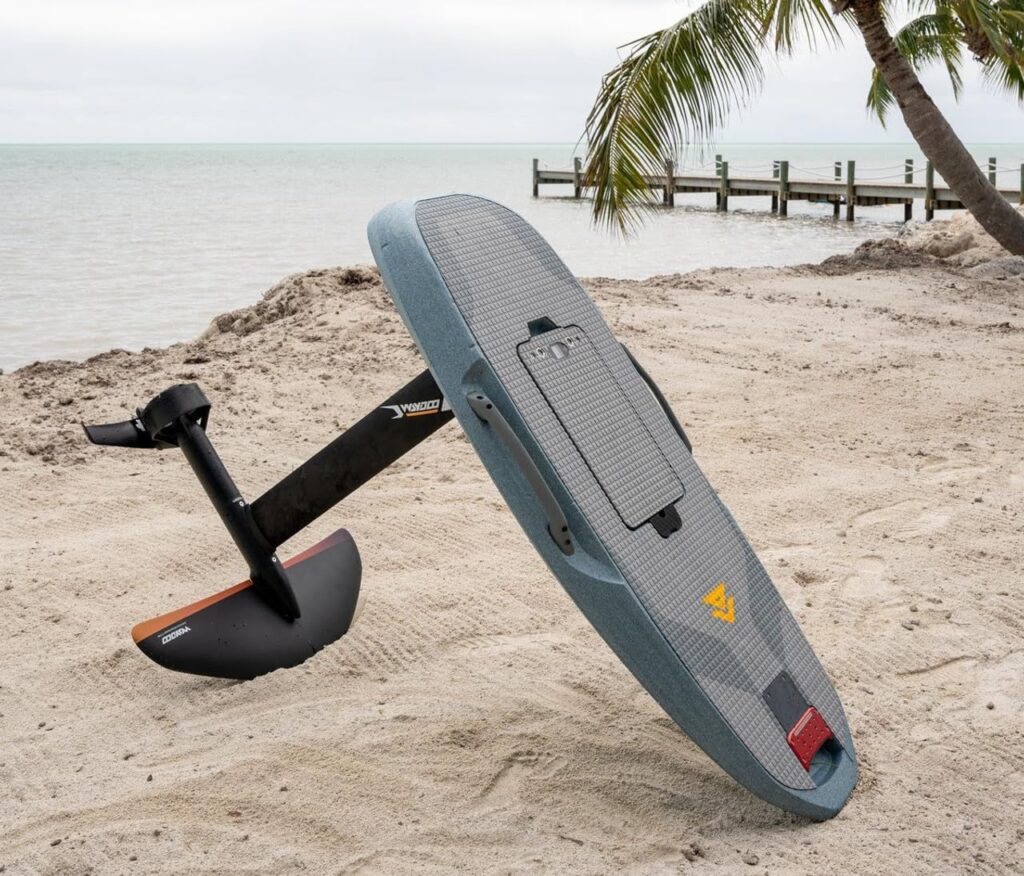
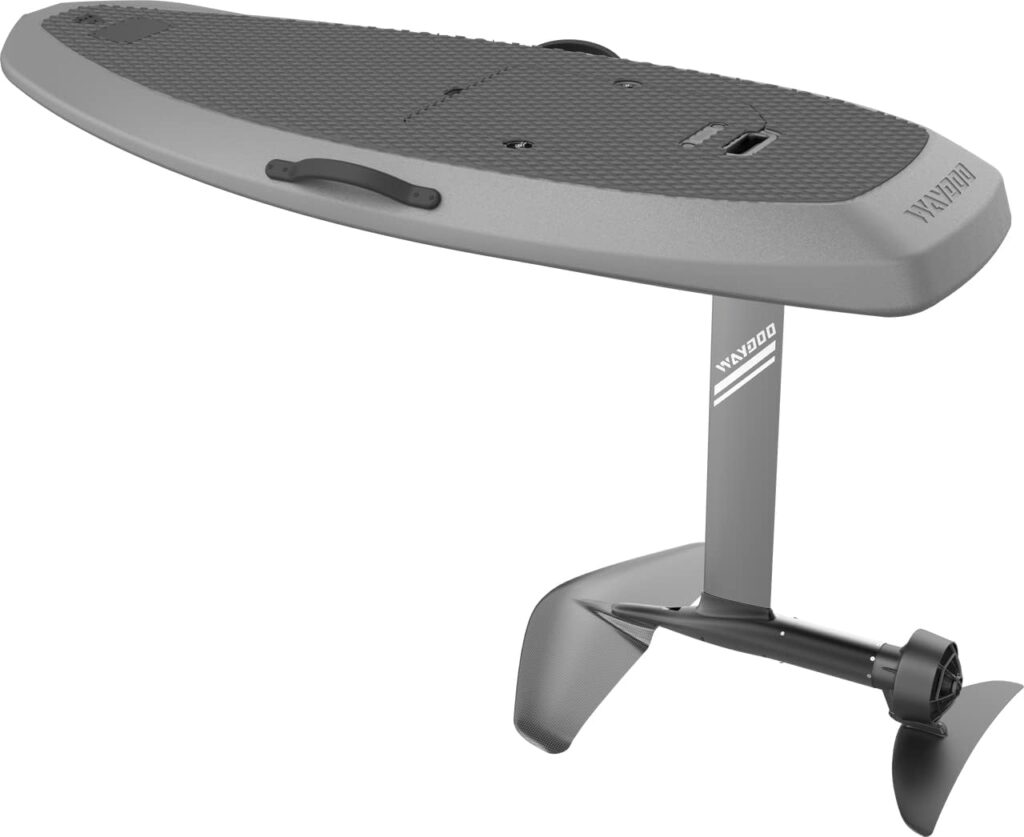
- Board + foil system: $4,999 to $12,000+
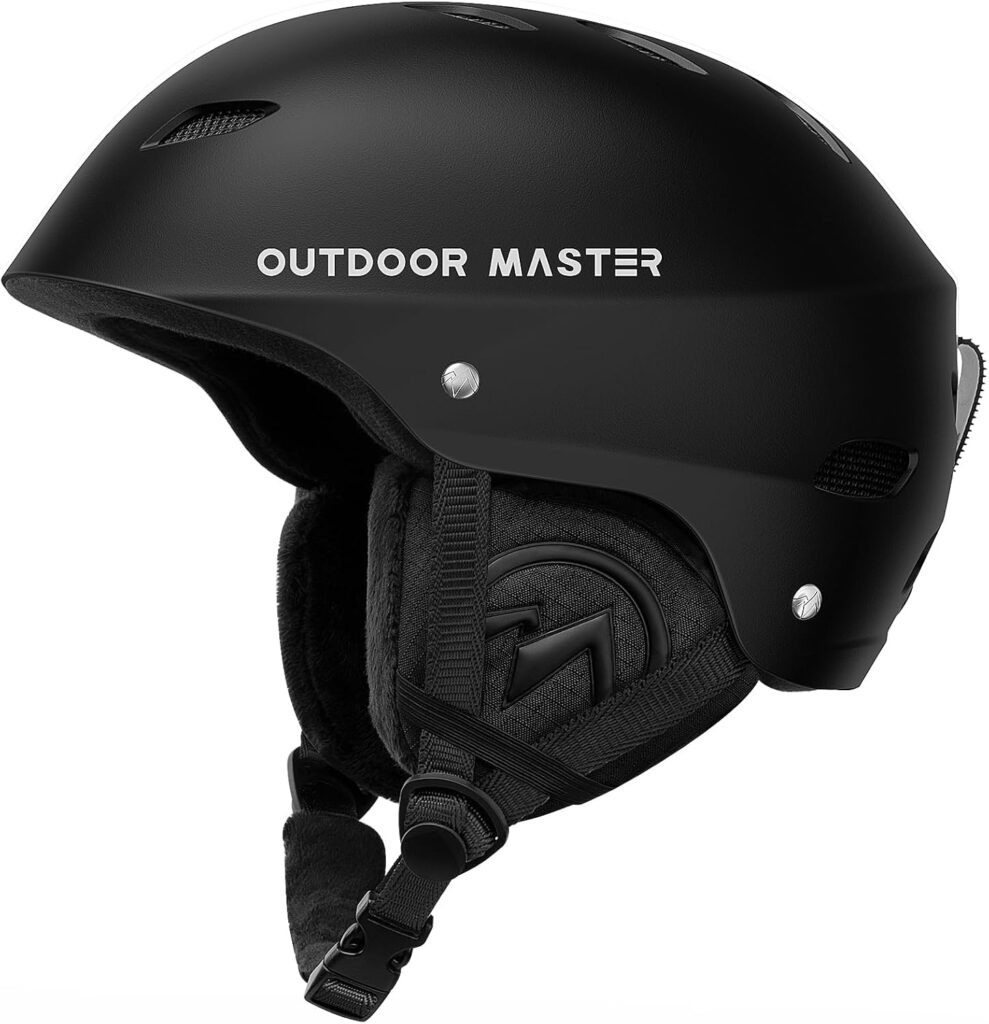
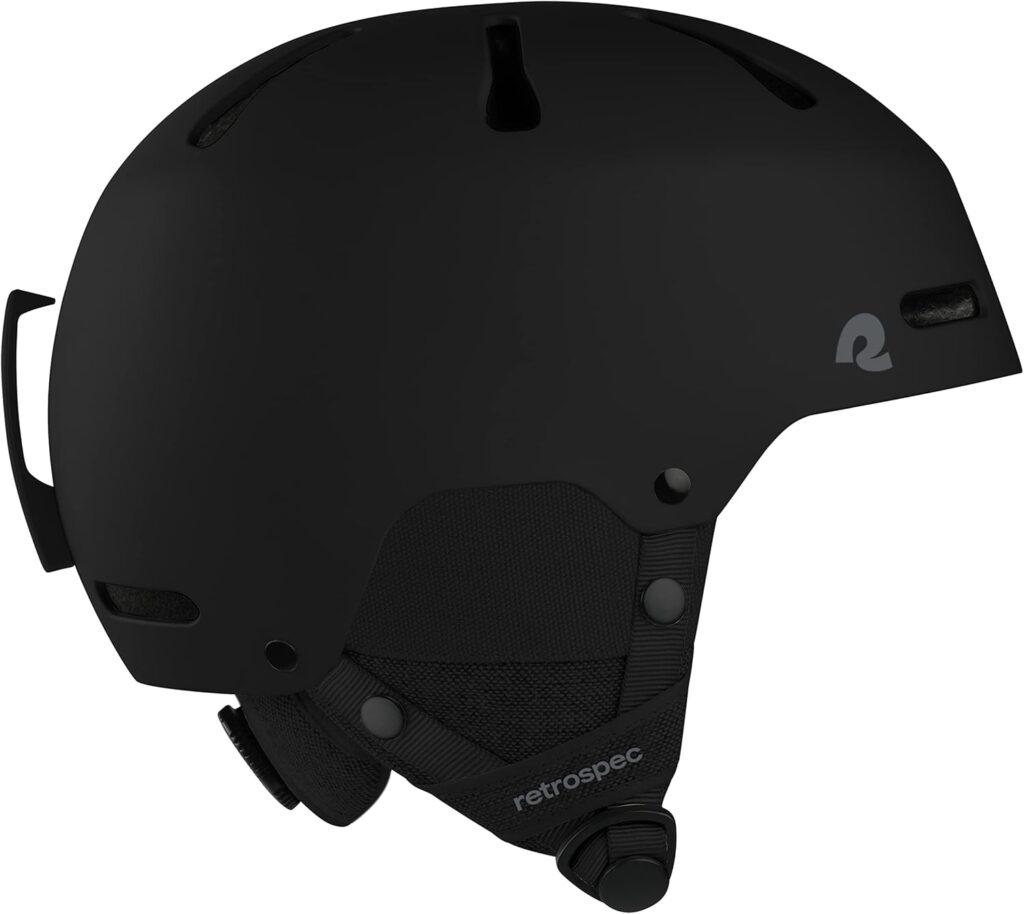
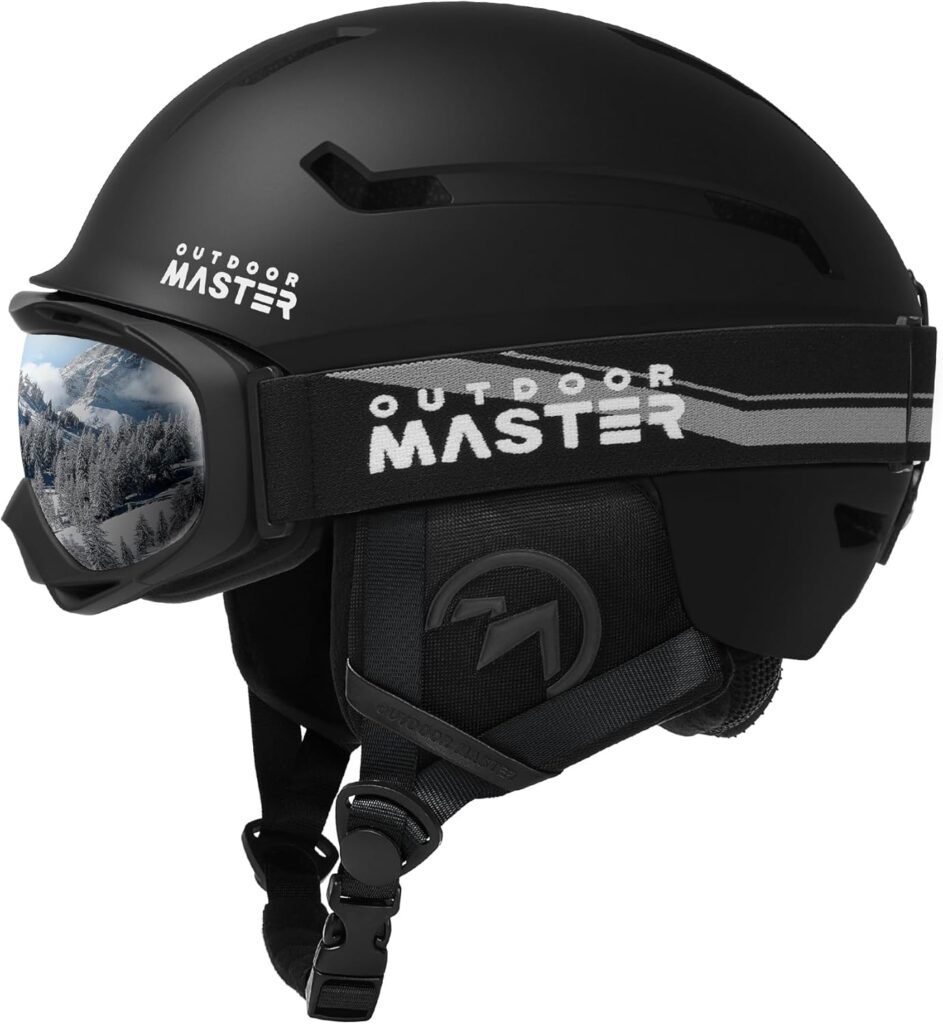
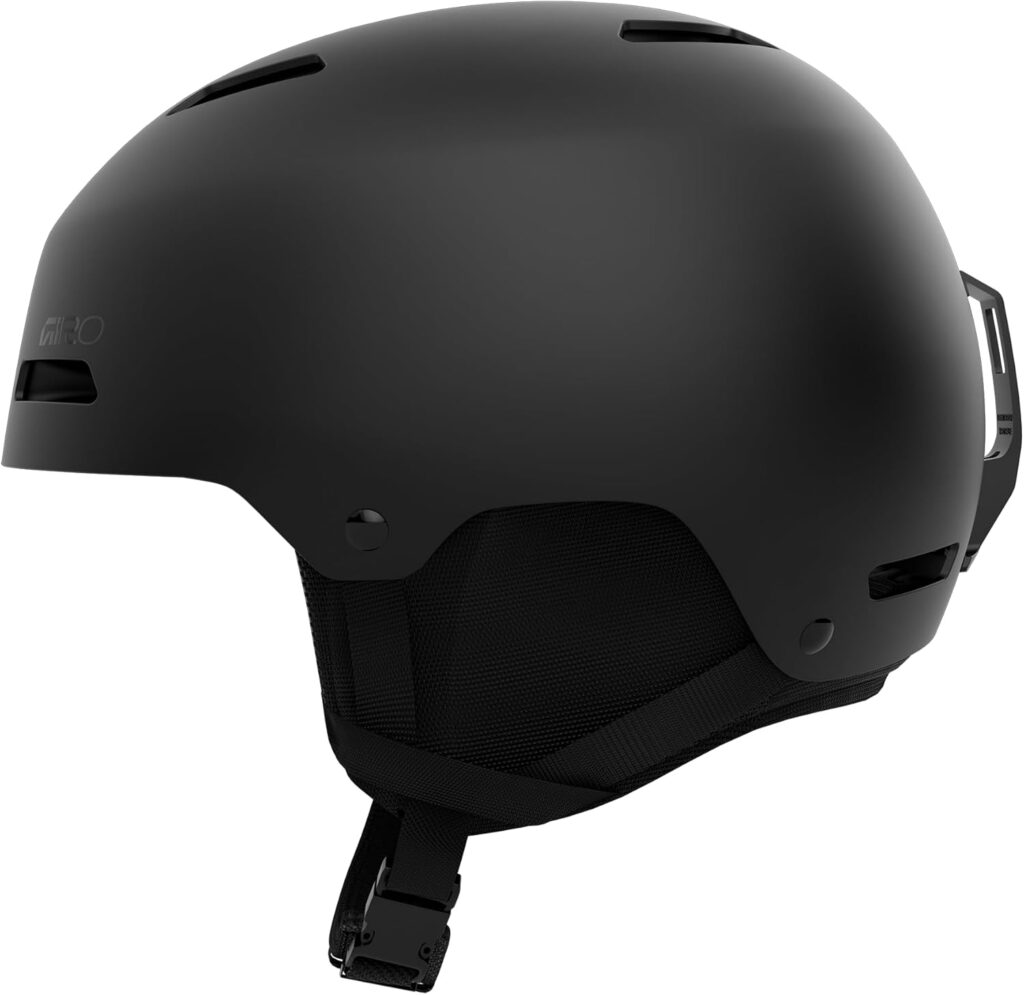
- Helmet and impact vest: $100 to $250
- Wetsuit or rash guard: $50 to $300
- Spare battery pack: $1,500 to $3,000
- Annual servicing and maintenance: $200 to $500
- Lessons (optional but recommended): $100 to $300 per session
Total realistic first-year cost: $6,000 to $15,000+ depending on brand and accessories chosen.
What a Manual Hydrofoil Setup Actually Costs
- Wing foil board: $600 to $1,800
- Foil (mast + wings + fuselage): $400 to $3,000
- Inflatable wing (for wing foiling): $500 to $1,200
- Helmet, impact vest, and leash: $150 to $400
- Wetsuit: $100 to $400
- Lessons: $80 to $200 per session
Total realistic first-year cost for wing foiling: $2,000 to $7,000, with lower-end beginner packages available in the $1,500 to $3,000 range.
| Cost Verdict: The manual foil board advantages in the pricing department are clear. For riders on a budget, the electric hydrofoil vs. manual foil gap in upfront cost can be $3,000 to $8,000 or more. However, if budget isn’t a primary concern and convenience is king, the eFoil’s extra cost delivers real value. |
Safety: What You Need to Know Before You Ride Either Board
Safety is non-negotiable in the eFoil vs. manual hydrofoil board world. Both boards involve elevation above the water’s surface, sharp foil edges, and high speeds, a combination that demands respect and proper precautions.
eFoil Safety Essentials
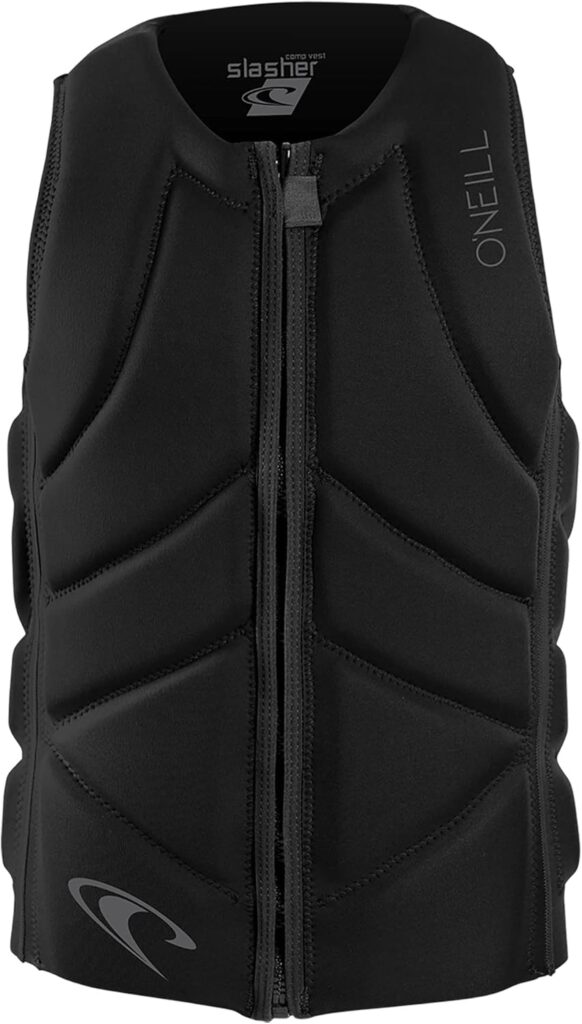
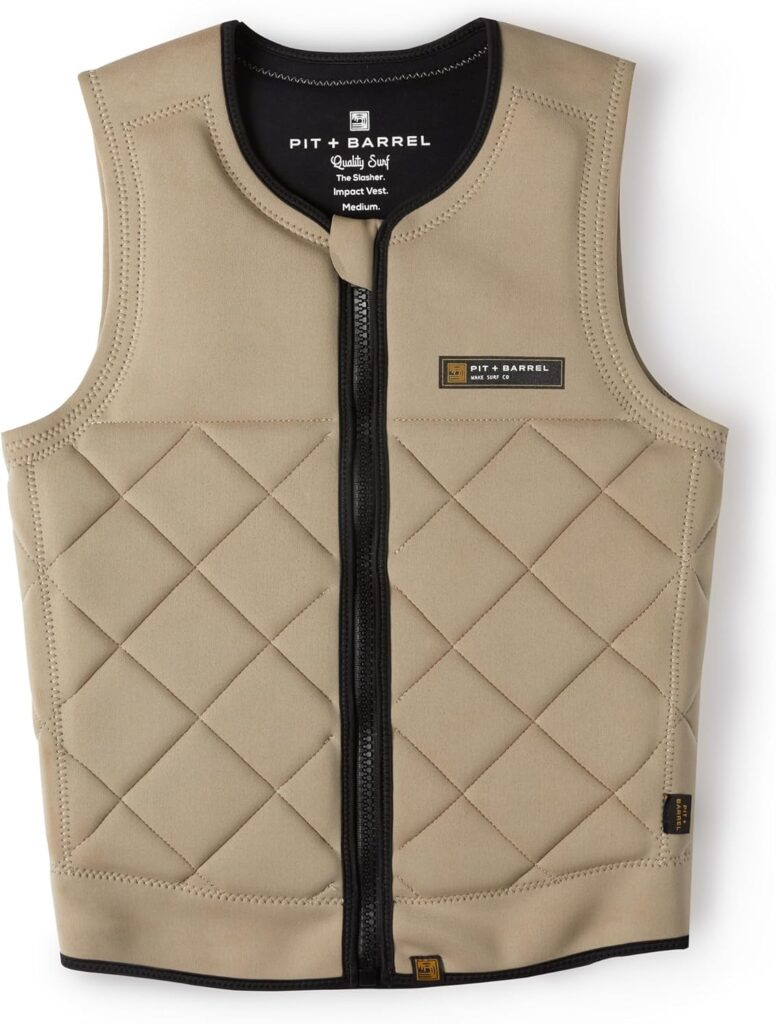
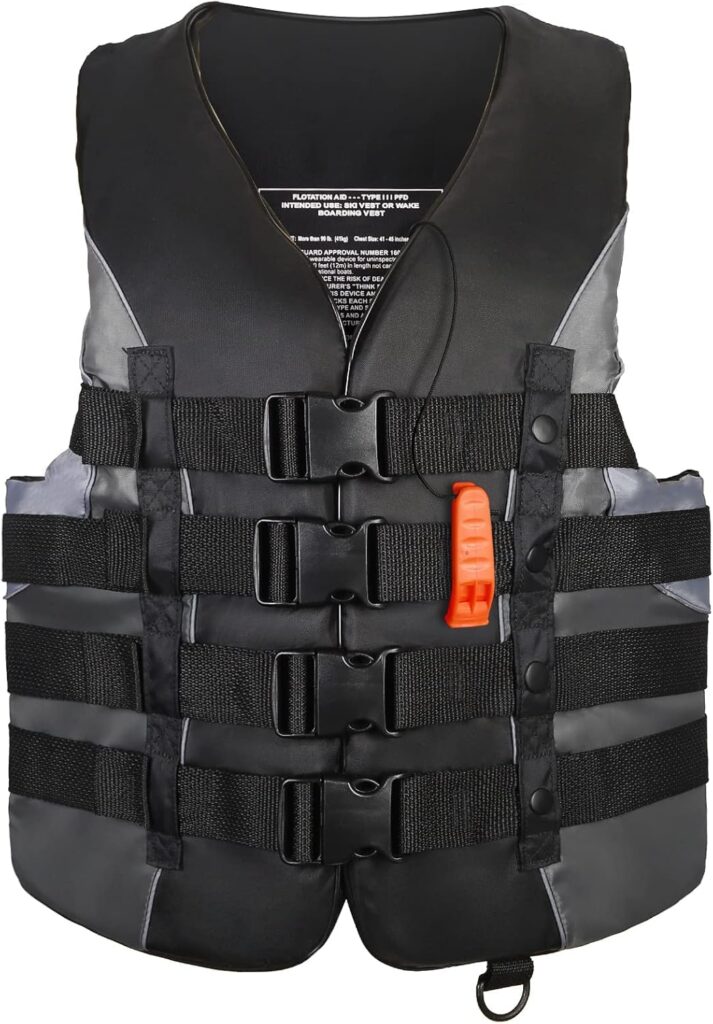
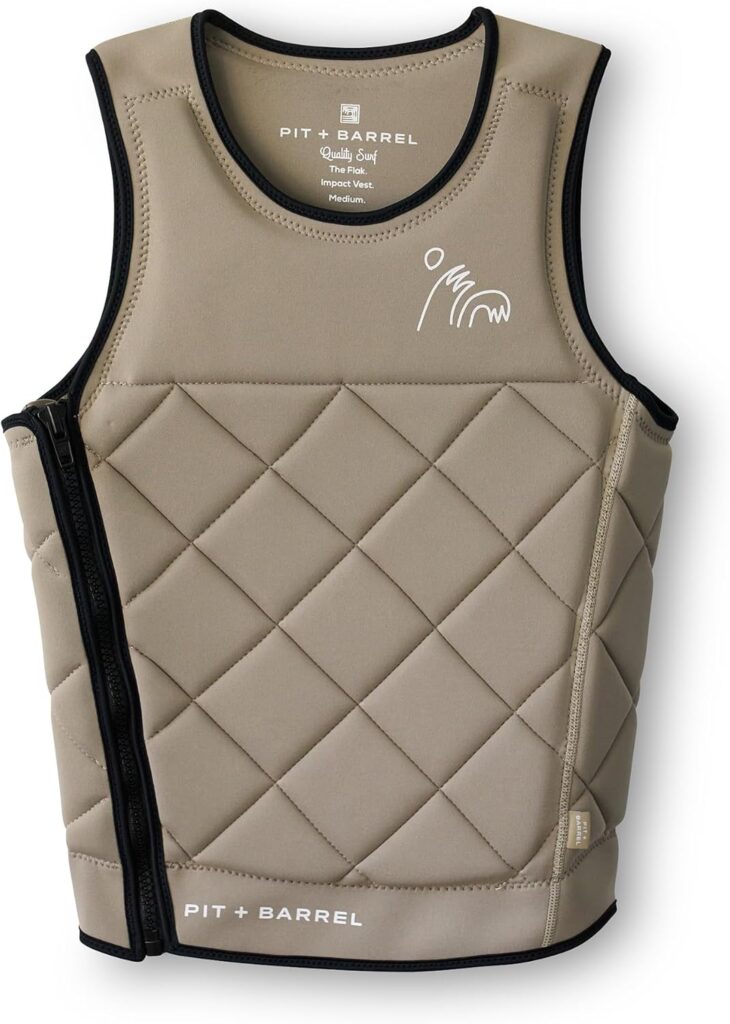
- Always wear a helmet and impact vest because falling from 1–2 feet above water at 20 mph is like hitting concrete.
- Learn in open, uncrowded water away from swimmers, kayakers, and boats.
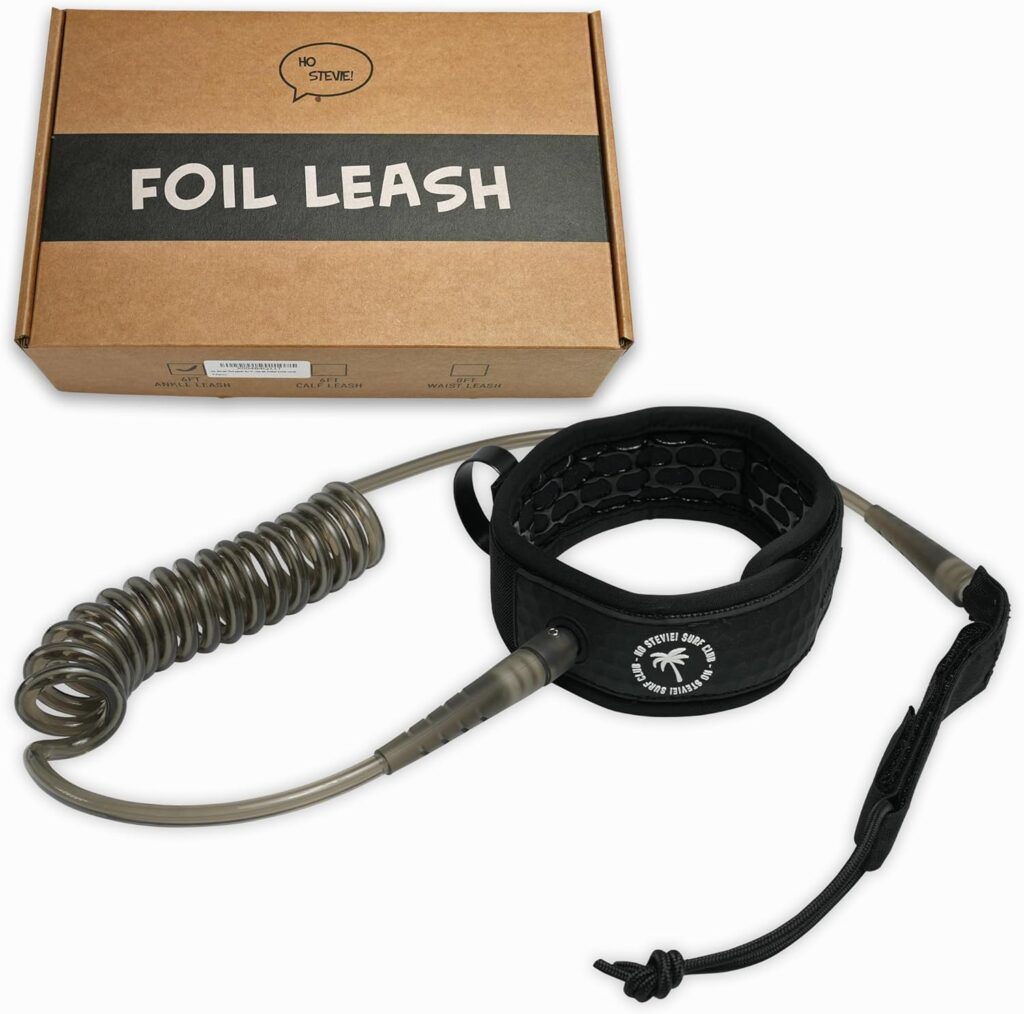
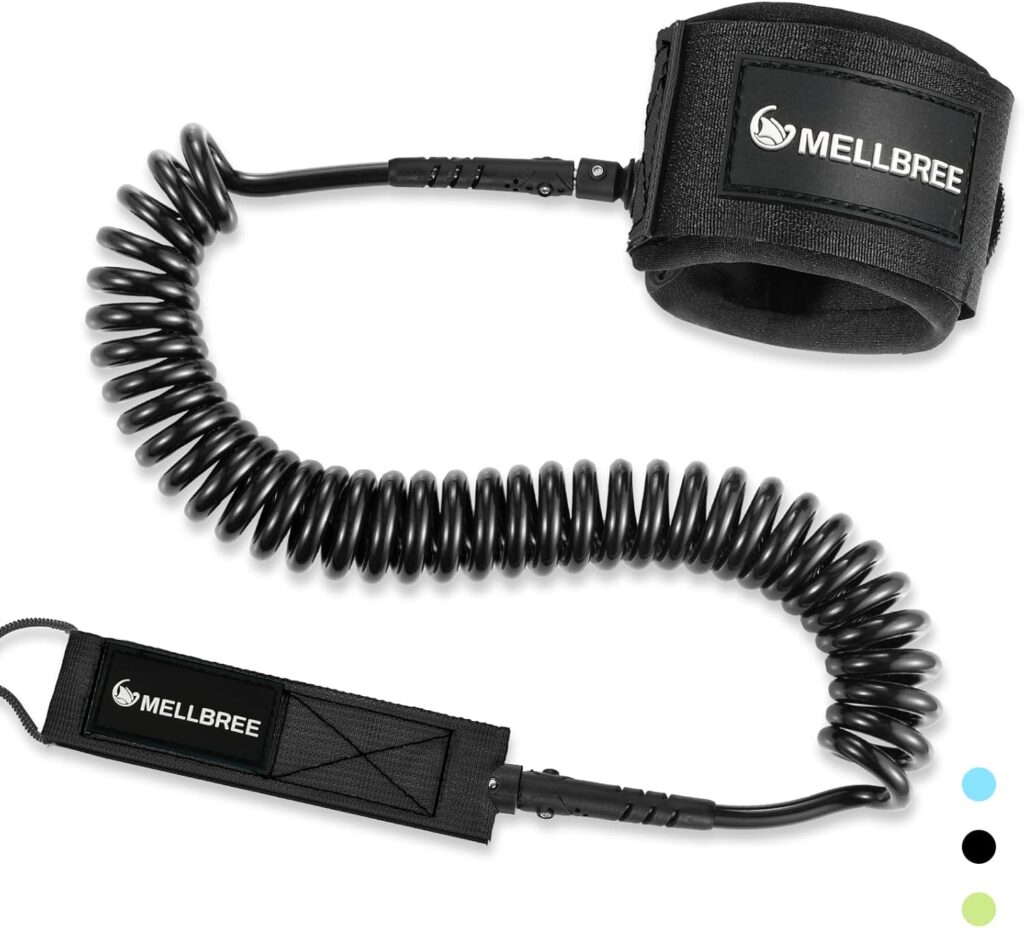
- Use the wrist leash connected to the remote. Dropping the remote cuts the motor automatically.
- Never ride near underwater hazards, coral reefs, or areas with strong currents until you’re fully comfortable.
- Check your foil hardware before every session because loose bolts at speed are dangerous.
Manual Foil Safety Essentials
- The foil’s leading edges are sharp so, treat them with respect when carrying or assembling the board.
- Kite foiling especially demands kite safety training before adding the foil element.
- Surf foiling in crowded lineups is discouraged as a foiling board in a wipeout is a serious hazard to other surfers.
- Always wear a helmet. Unexpected catapults are a normal part of learning.
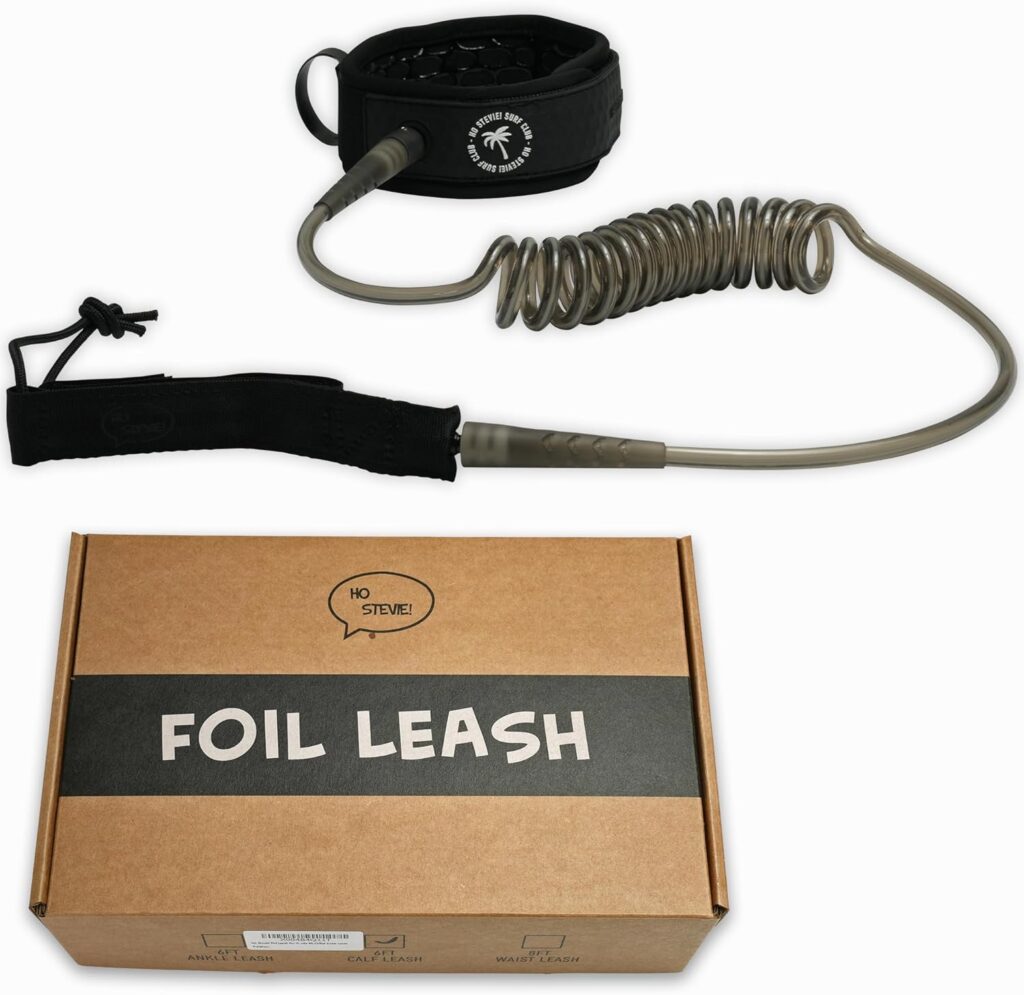
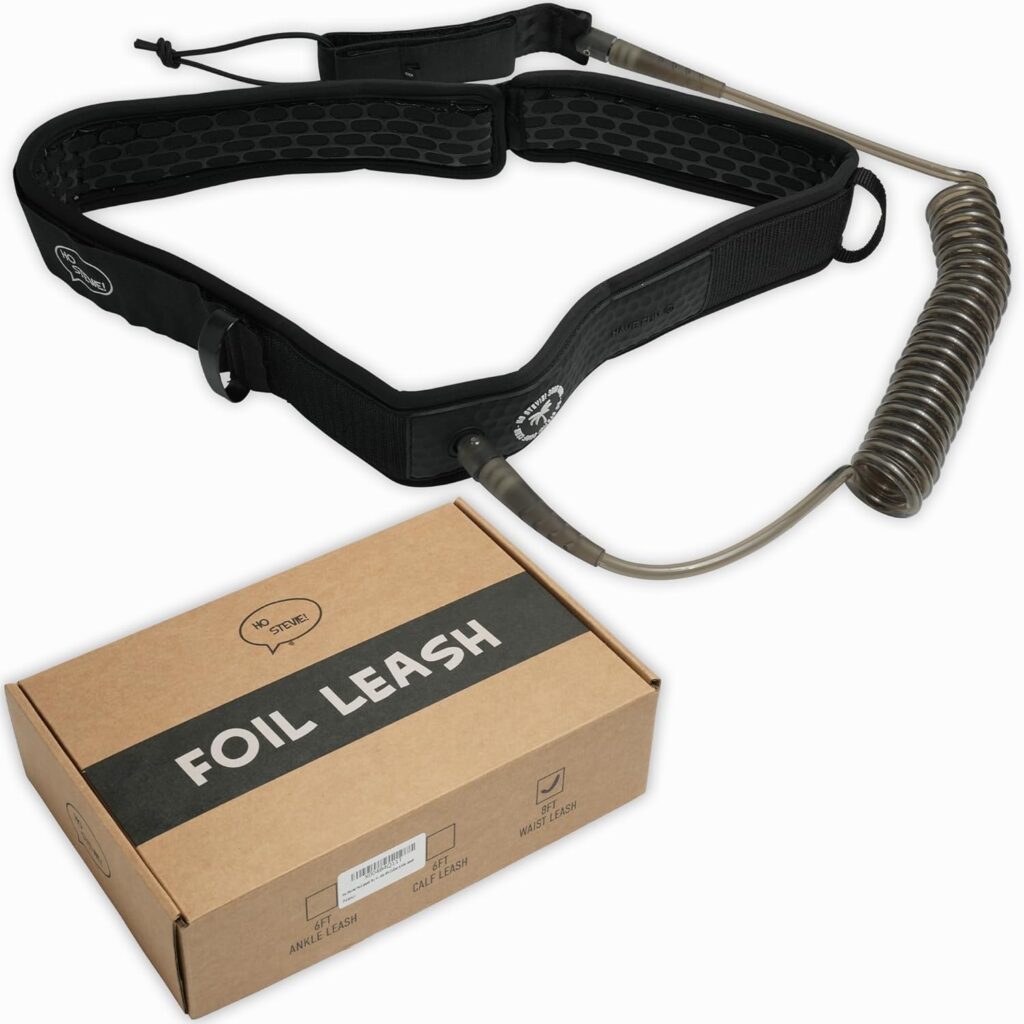
- Use a proper foil-specific leash to prevent a runaway board.
eFoil vs. Manual Hydrofoil Board: Who Should Choose What?
Choose an eFoil if you are:
- A complete beginner who wants to experience foiling quickly without years of skill development.
- Someone who rides in flat water environments where wind and waves aren’t reliable.
- A fitness enthusiast looking for a unique, low-impact water sport with a high fun factor.
- A water sports professional or instructor wanting to offer eFoil experiences to clients.
- Someone who prioritizes convenience and technology over raw, nature-driven skill.
Choose a manual hydrofoil board if you are:
- An existing kitesurfer, surfer, or windsurfer who wants to add foiling to your toolkit.
- Someone who lives near consistent wind or quality surf breaks.
- A rider who values the deep skill development and physical challenge of manual foiling.
- A budget-conscious buyer who wants to foil without spending $10,000+.
- A traveler who wants a lightweight, airline-friendly water sports kit.
| The truth about the eFoil vs. manual hydrofoil board choice: there’s no wrong answer. The best hydrofoil board is the one that matches your life; your water access, your budget, your patience, and your idea of what “fun on the water” really looks like. |
Frequently Asked Questions About eFoil vs. Manual Hydrofoil Board
Q: What is the main eFoil vs. hydrofoil board difference?
The core eFoil vs. hydrofoil board difference is propulsion. An eFoil uses an electric motor and battery to generate speed and lift, while a manual hydrofoil relies on external power: waves, wind, a kite, or a towrope.
Both use the same underwater wing physics to lift the board off the water, but how you get there is completely different.
Q: Is an eFoil worth the money?
If you have the budget and want instant, location-independent foiling, yes, an eFoil is absolutely worth it. The experience is genuinely incredible, and the convenience factor is unmatched.
However, if budget is a concern, the manual foil world offers equally thrilling experiences at a fraction of the cost once you develop the skills.
Q: Can a complete beginner learn to eFoil?
Absolutely. In fact, the eFoil is specifically recommended for beginners in the eFoil for beginners vs. wing foil comparison because the motorized power removes so many of the variables that make manual foiling hard to learn.
Most instructors say a reasonably coordinated adult can get up on the foil within 1 to 3 sessions.
Q: How long does an eFoil battery last?
Most quality eFoils offer between 60 and 120 minutes of riding per charge, depending on your speed, rider weight, and water conditions.
Higher speeds drain the battery faster. Premium brands like Fliteboard and Lift offer swappable battery systems so you can continue riding with a charged replacement.
Q: Which hydrofoil is easiest to learn?
If we’re directly answering which hydrofoil is easiest to learn, the eFoil wins clearly. The motorized propulsion, controllable throttle, and freedom from wind or wave conditions make it significantly more forgiving for beginners.
Manual foiling particularly wing foiling and surf foiling requires much more time and practice before you’ll feel consistently comfortable.
Q: Can I use an eFoil in the ocean?
Yes, eFoils are designed for use in both flat water and mild ocean conditions. Most riders prefer calm or slightly choppy ocean conditions. Riding in heavy surf or large swells is not recommended, especially for beginners, as the motor and foil dynamics change significantly in rougher water.
Q: Is wing foiling harder than eFoiling?
Yes, wing foiling is generally harder to learn than eFoiling, particularly in the early stages. Wing foiling requires managing the inflatable wing, your body positioning on the board, and the foil dynamics simultaneously.
However, many riders find that once they get it, wing foiling delivers a deeper sense of achievement and unlimited riding time as long as conditions cooperate.
Q: What is the cheapest way to get into hydrofoiling?
The most affordable entry into the electric hydrofoil vs. manual foil world is through a beginner wing foiling package, which can start as low as $1,500 to $2,500 for a complete setup (board, foil, and wing).
Budget eFoil options like the Waydoo Flyer ONE start around $4,999, which remains the more expensive entry point.
Q: Is the eFoil environmentally friendly?
Yes, eFoils produce zero direct emissions during operation. They run on lithium-ion batteries that can be charged from the grid or renewable energy sources.
The propeller is the main ecological consideration, as it can disturb marine life if ridden in sensitive habitats. Most responsible eFoil brands design ducted propellers to minimize this risk.
Q: Can I travel with my foil board?
Both eFoils and manual foil boards can be traveled with, but manual boards have a clear advantage in portability due to their lighter weight and lack of battery/electronics.
eFoils typically require checking a battery separately due to airline lithium-ion battery regulations. Many travelers prefer manual wing foil setups for their travel-friendliness.
The Bottom Line on eFoil Vs. Manual Hydrofoil Board
| The eFoil vs. manual hydrofoil board debate doesn’t have a single winner, it has two very different winners for two very different kinds of riders. If you want to fly above the water on your first day, ride wherever and whenever you like, and money is not your primary obstacle, the eFoil is genuinely one of the most spectacular water sports experiences money can buy. The best eFoil for beginners from brands like Fliteboard, Lift, or Waydoo will have you gliding within sessions, not months. But if you’re someone who wants to earn their wings, who gets a deep thrill from mastering the physics of wind and water with nothing but your own skill, the manual foil board advantages in cost, portability, and raw satisfaction are hard to argue with. Wing foiling in particular is one of the most exciting sports to emerge in the last decade, and it’s only getting more accessible. Whichever side of the eFoil vs. manual hydrofoil board line you land on, you’re making an extraordinary choice. The water is calling and there’s never been a better time to answer. |