How to Choose Your First Hydrofoil Board: The No-Nonsense Buying Guide
If you’ve been wondering how to choose your first hydrofoil board, you’re in the right place, and honestly, you’re about to fall in love with one of the most thrilling things you can do on water.
Hydrofoiling takes you off the surface of the water and lifts you into the air on a wing-mounted board, giving you the sensation of flying just above the waves. It sounds complex. It looks complex. But once you understand what you’re working with, the whole thing clicks into place beautifully.
Here’s the honest truth: most beginners spend too much money on the wrong setup because they didn’t know what questions to ask before buying. They either go too advanced, too cheap, or too complicated and then wonder why their first few sessions feel like a circus act.
What Exactly Is a Hydrofoil Board?
Before we get into the buying details, let’s make sure we’re on the same page about what a hydrofoil board actually is.
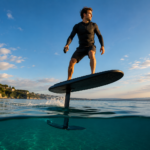
A hydrofoil board (also called a foil board) is a surfboard, kiteboard, wakeBoard, or SUP attached to an underwater wing system called a foil. As you gain speed, the foil generates lift and raises the board above the water. You’re essentially flying, hovering between two and four feet above the surface, with almost zero drag.
The full setup includes:
- The board – the surface you stand on
- The mast – a vertical pole that connects the board to the foil underwater
- The front wing – the main lifting wing
- The rear stabilizer wing – controls pitch and stability
- The fuselage – connects the front and rear wings
Together, these components form what’s often sold as a “complete hydrofoil kit” though you can also buy them separately if you know what you’re doing.
What Discipline Are You Foiling?
This is the very first question you need to answer before anything else, because your discipline determines everything: your board shape, your wing size, your mast length, and your budget.
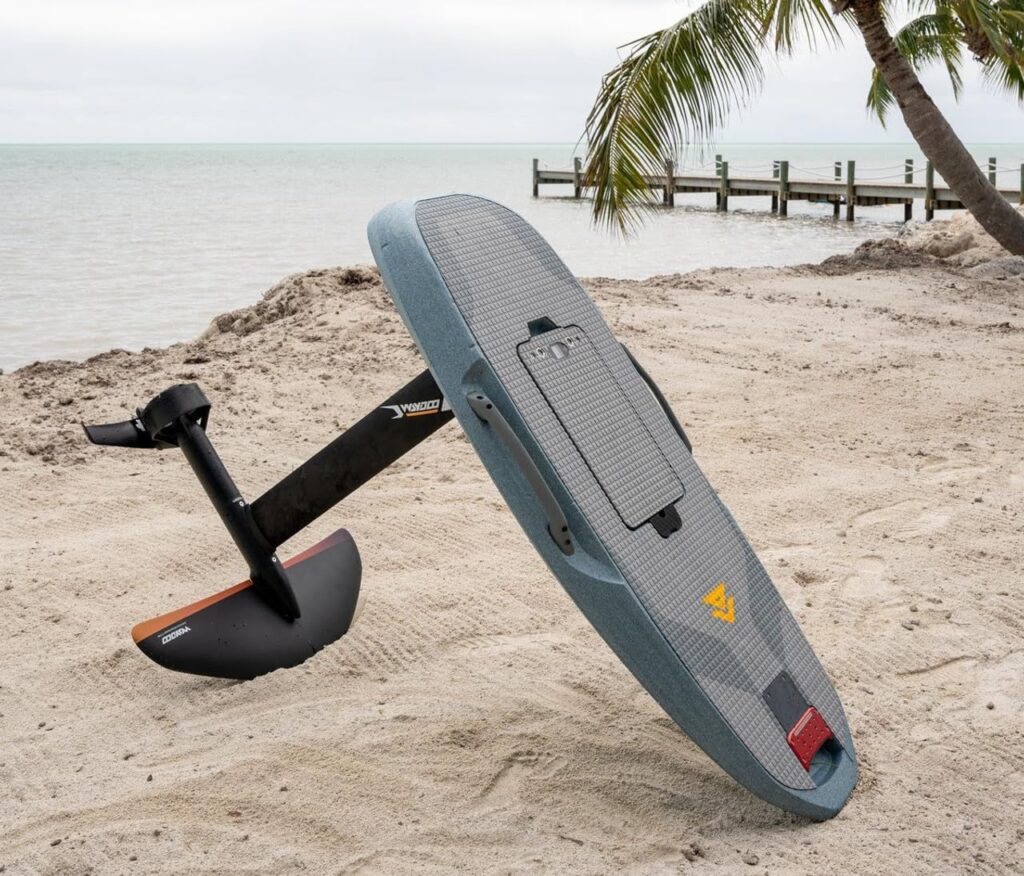
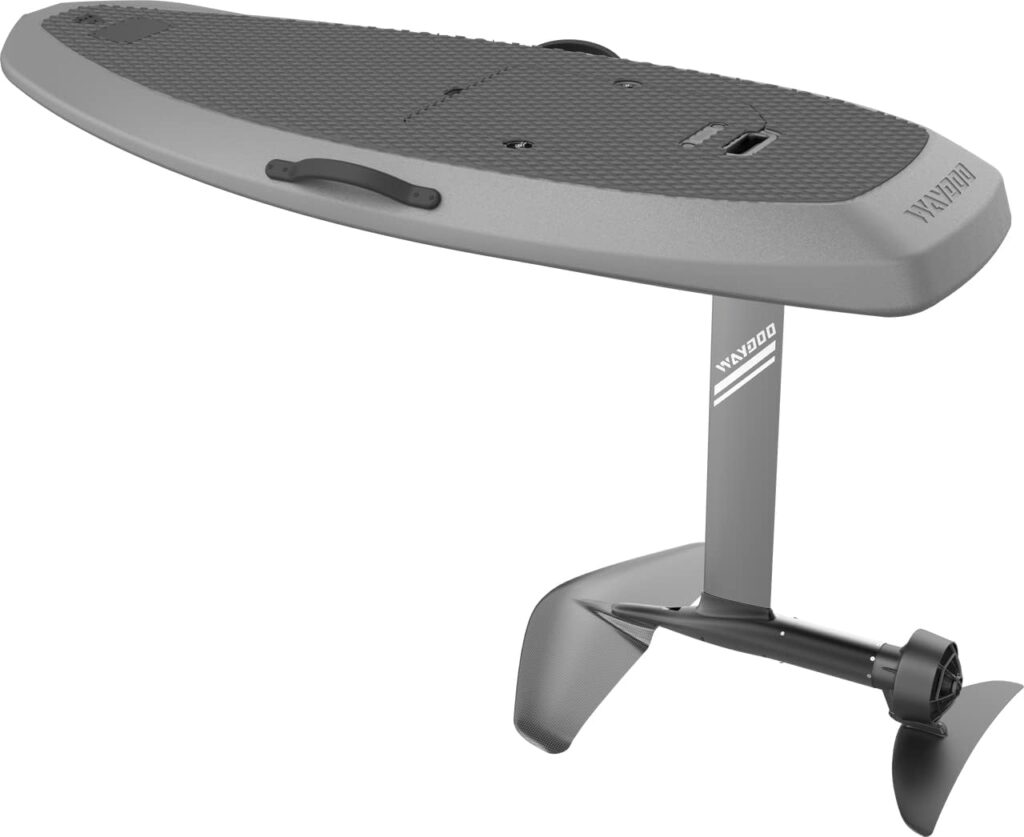
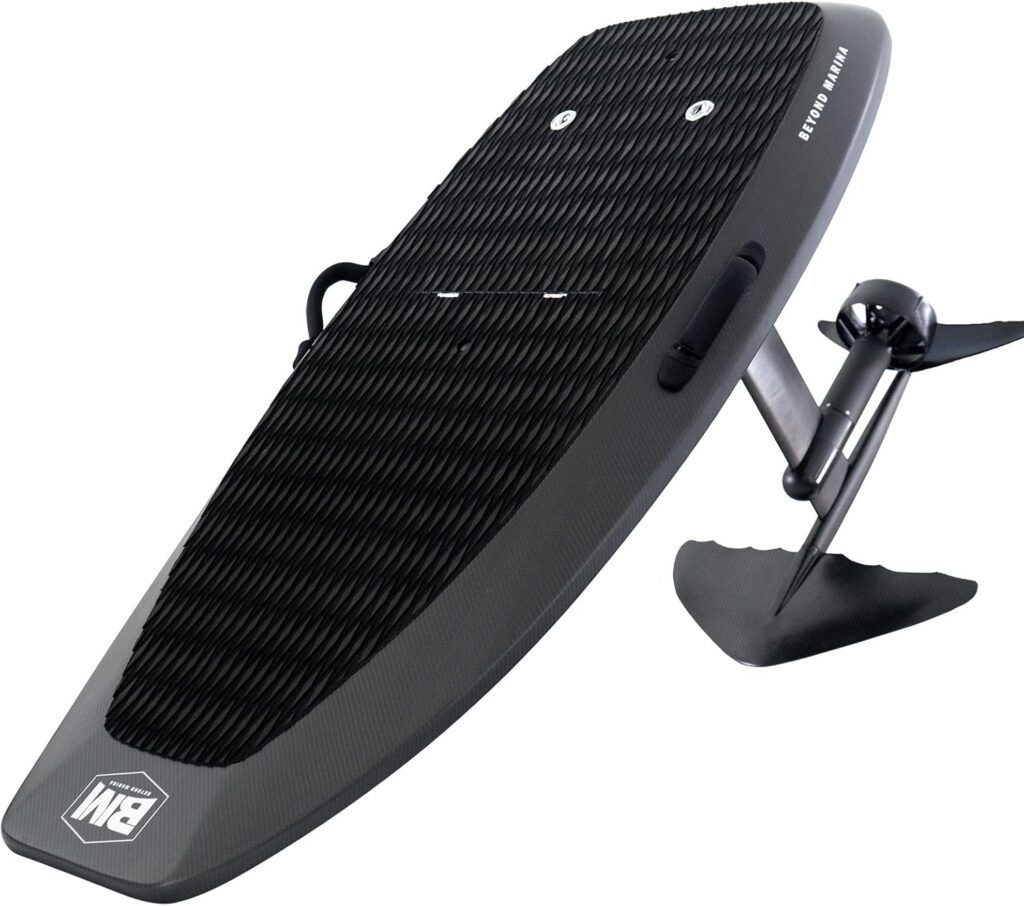
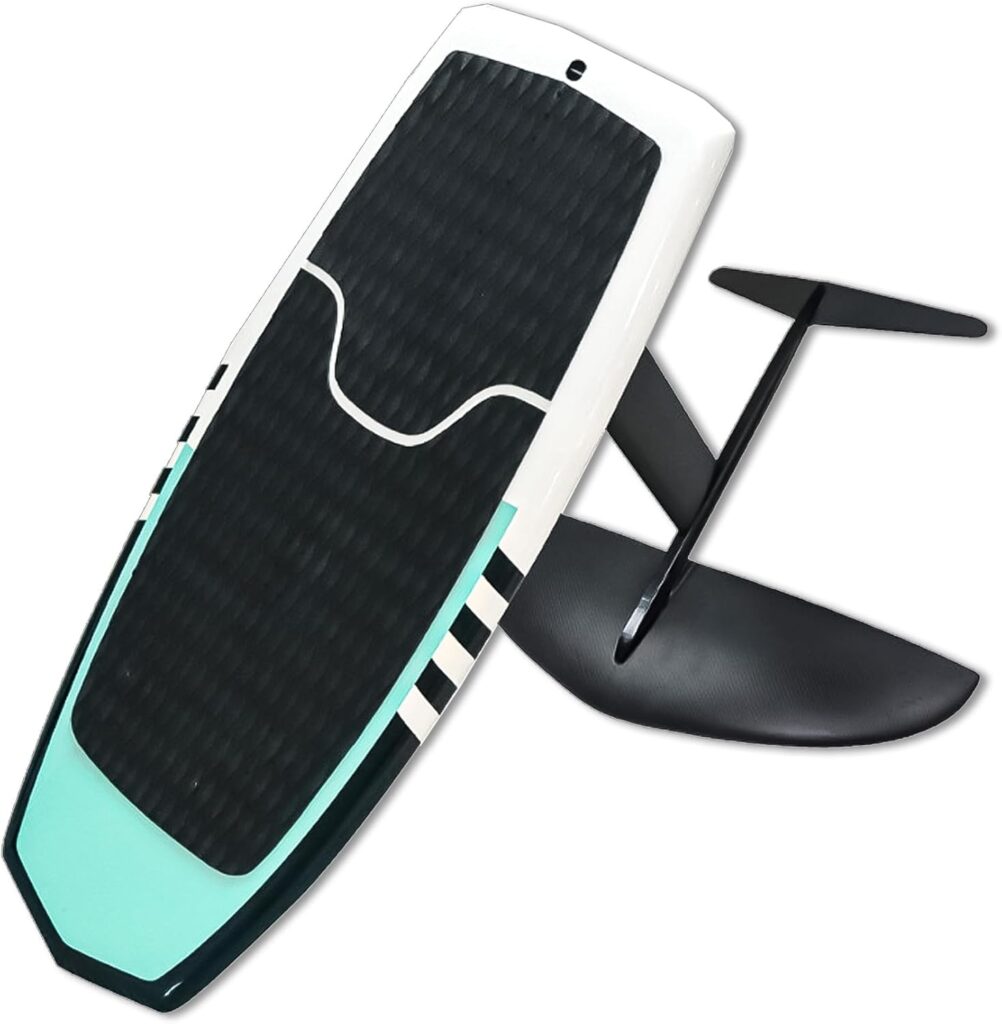
Here are the main types of hydrofoiling:
| Discipline | What It Is | Best For |
| Surf Foiling | Riding ocean swells with a foil | Ocean lovers who want to glide on small waves |
| Kite Foiling | Using a kite for power | Kitesurfers wanting more efficiency and speed |
| Wake Foiling | Being towed by a boat | Lake riders, wakeboard enthusiasts |
| Wing Foiling | Using a handheld inflatable wing | One of the fastest-growing disciplines worldwide |
| eFoiling | Electric-powered foil board | Anyone who wants to foil without wind or waves |
| SUP Foiling | Stand-up paddle foiling | Calm water paddlers upgrading their experience |
If you’re completely new, wing foiling and wake foiling are generally the most beginner-friendly because you have more control over your speed and power source.
| 💡 Quick Tip Don’t buy a surf foil setup if you plan to ride behind a boat. Each discipline has optimized equipment, mixing them up makes your learning curve much steeper. |
Hydrofoil Board Size Guide — Getting the Right Volume and Length
Hydrofoil board volume guide: This is probably the most overlooked and most important factor for beginners. Board volume is measured in liters, and it tells you how much flotation the board provides. The more volume, the easier it is to balance, paddle, and get up on the foil.
As a beginner, you want more volume, not less. It’s that simple.
Here’s a general rule of thumb for volume:
| Rider Weight (kg) | Rider Weight (lbs) | Recommended Board Volume (Liters) |
| 50–65 kg | 110–143 lbs | 60–80 L |
| 65–80 kg | 143–176 lbs | 75–95 L |
| 80–95 kg | 176–209 lbs | 90–110 L |
| 95–110 kg | 209–242 lbs | 105–130 L |
| 110+ kg | 242+ lbs | 125+ L |
As a beginner, your board volume should be at least 1.5 to 2 times your body weight in kilograms. So, if you weigh 80 kg, look for a board between 90 and 110 liters. This extra float gives you time to find your balance and get a feel for how the foil responds before it lifts you off the water.
Board Length and Width
Longer boards are more stable but harder to maneuver. Wider boards give you a more stable base. For beginners, look for:
- Length: 4’6″ to 5’6″ (about 137 to 168 cm)
- Width: 22 to 26 inches for more lateral stability
As part of any solid hydrofoil board size guide, remember that you’re not buying this board forever. Most foilers downsize their board as their skill progresses. Your first board is a learning tool.
Hydrofoil Wing Size for Beginners: Front Wing Selection Explained
If the board is where you stand, the front wing is what makes you fly. Understanding hydrofoil wing size for beginners is crucial because the wing determines how much lift you get, at what speed, and how stable you feel while airborne.
Front wings are measured in surface area (cm²). Bigger wings = more lift at slower speeds = better for beginners. Smaller wings = faster, more nimble, better for advanced riders.
| Wing Area (cm²) | Lift Profile | Best For |
| 1800–2500+ cm² | High lift, slow speed | Absolute beginners, light wind, small swell |
| 1200–1800 cm² | Medium lift, moderate speed | Intermediate riders, general conditions |
| 800–1200 cm² | Low lift, high speed | Advanced riders, racing, strong conditions |
| Under 800 cm² | Minimal lift, very high speed | Experts only |
For your first hydrofoil, aim for a front wing between 1,800 and 2,500 cm². This range will get you up on the foil at lower speeds which means more time flying and less time falling.
The aspect ratio of the wing also matters:
- Low aspect ratio wings (wide and stubby) – more stable, more forgiving, great for beginners
- High aspect ratio wings (long and narrow) – faster, more efficient, better for experienced riders
| 🎯 Beginner Recommendation Start with a large, low-aspect ratio front wing. You can always upgrade to a higher-performance wing later without replacing your entire setup. |
The Mast — Length and Material Matter More Than You Think
The mast is the vertical pole that connects your board to the foil system underwater. When people ask what to look for in a hydrofoil, the mast is often the part they underestimate the most.
Mast Length
Mast length affects how high you can fly and how much clearance you have from the bottom in shallow water:
- Short mast (60–70 cm): Safer for shallow water, more forgiving, easier to control for beginners
- Medium mast (75–90 cm): The sweet spot for most beginner to intermediate riders
- Long mast (90+ cm): More flying height, better for advanced surf and downwind foiling
For your first setup, a mast in the 75–85 cm range is ideal. It gives you enough height to fly comfortably without making the board feel wildly unpredictable.
Aluminum vs Carbon Foil Mast — Which Should You Choose?
The aluminum vs carbon foil mast debate is one of the most common conversations in the foiling world and the answer genuinely depends on your budget and goals.
| Feature | Aluminum Mast | Carbon Fiber Mast |
| Cost | $100–$300 | $300–$900+ |
| Weight | Heavier | Significantly lighter |
| Stiffness | Moderate (some flex) | Very stiff (more responsive) |
| Durability | Durable, resists impact | Can crack under hard impact |
| Best For | Beginners & budget buyers | Intermediate to advanced riders |
| Performance | Slightly dampened feel | More direct, precise feedback |
Bottom line on mast material: If you’re just starting out, an aluminum mast is perfectly fine and will save you hundreds of dollars. Carbon masts shine when you’ve built enough skill to actually feel and appreciate the difference in stiffness and responsiveness.
For a beginner’s hydrofoil buying guide, aluminum is almost always the smarter first choice.
Complete Hydrofoil Kit vs Separate Parts — What’s Better for Beginners?
One of the biggest decisions you’ll face is whether to buy a complete hydrofoil kit vs separate parts. Both options have real advantages, and the right choice depends entirely on your experience level and how much time you want to spend researching compatibility.
Complete Hydrofoil Kit
A complete kit bundles together the board, mast, front wing, rear stabilizer, and fuselage, all designed to work together. Sometimes it also includes the foot straps and hardware.
Pros:
- Everything is guaranteed to be compatible
- Easier to set up, meaning less guesswork
- Often better value for the money as a package
- Great for beginners who don’t want to research component matching
Cons:
- Less flexibility to customize individual components
- You might outgrow the board faster than the foil
Separate Parts
Buying your foil components individually gives you more control over your setup, but requires more research.
Pros:
- More customization: choose the best wing, mast, and board independently
- Easier to upgrade one component at a time
- Can mix brands if you know what you’re doing
Cons:
- Risk of buying incompatible parts (mast tracks, bolt patterns differ by brand)
- Requires more knowledge upfront
- Can be more expensive if you make mistakes
| ✅ Verdict For first-time buyers, a complete hydrofoil kit is almost always the better choice. It removes the compatibility guesswork, gets you on the water faster, and usually offers better value as a bundle. Once you know what you love and what you want to upgrade, then start buying separate parts. |
What to Look for in a Hydrofoil — The Full Checklist
So, what to look for in a hydrofoil? Let’s pull everything together into a clear checklist you can take shopping:
- Volume: At least 1.5x your body weight in kg (e.g., 80 kg = 90+ liter board)
- Board size: Wider and longer is more stable, don’t go too small too soon
- Front wing area: 1,800 to 2,500 cm² for beginners
- Wing aspect ratio: Low aspect ratio for more stability
- Mast length: 75–85 cm is the ideal beginner range
- Mast material: Aluminum is fine for beginners; carbon for when you progress
- Fuselage length: Longer fuselage = more stability; shorter = more turning performance
- Rear stabilizer: Larger stabilizers improve pitch control and are more forgiving
- Foot strap compatibility: Make sure the board has inserts in the right position
- Brand support: Choose brands with local dealers or good international support
- Spare parts availability: Can you get replacement screws, mast shims, and bolts?
- Community reviews: What are real riders saying? Forums like Foil Zone and Reddit’s r/Foiling are gold
Top Beginner Hydrofoil Brands Worth Knowing
The hydrofoil market has exploded over the past five years. Here are some of the most respected brands producing quality beginner-friendly gear:
| Brand | Known For | Price Range |
| Slingshot | Wing foil & kite foil packages | $800–$2,500 |
| Cabrinha | Kite & wing foiling systems | $900–$3,000 |
| F-One | Surf foil & wing foil setups | $1,000–$3,500 |
| Lift Foils | eFoiling pioneer, great build quality | $4,000–$12,000 |
| Sab Foils | Performance carbon foils | $800–$2,500 |
| Naish | Wing foiling & beginner kits | $700–$2,200 |
| Axis Foils | Community favorite, modular system | $900–$3,000 |
Prices vary by region and configuration. Always check current pricing directly with local dealers or the brand’s website.
How Much Should You Spend on Your First Hydrofoil Setup?
Budget is real, and we’re not going to pretend otherwise. Here’s a realistic breakdown of what you can expect to spend:
| Budget Tier | What You Get | Who It’s For |
| $500–$900 | Entry-level complete kit, aluminum mast, larger wing | Absolute beginners on a tight budget |
| $900–$1,800 | Mid-range kit, better wing quality, more durable construction | Committed beginners who want to progress |
| $1,800–$3,500 | Performance kit, carbon options, modular components | Serious learners ready to invest |
| $3,500+ | Premium carbon setups, top-tier brands | Riders who know what they want |
The sweet spot for most first-time buyers is the $900 to $1,800 range. This gets you a complete hydrofoil setup that’s beginner-friendly, durable enough to survive the learning curve, and good enough to grow with for a year or two.
Don’t buy the cheapest option just to save money — poorly made foils can be dangerous. And don’t buy the most expensive option hoping it’ll make you a better rider faster. It won’t. Your skill level matters more than your gear in the early months.
New vs Used Hydrofoil — Should You Buy Secondhand?
Buying used is a legitimate strategy especially if you’re not 100% sure hydrofoiling is going to stick as a hobby. But there are risks.
Advantages of Buying Used
- Save 30–50% off retail price
- Great way to test the sport without a huge upfront investment
- Can often find higher-quality gear at lower-tier prices
Risks of Buying Used
- Hard to inspect for hairline cracks, delamination, or mast corrosion
- No warranty or support if something breaks
- Parts may be discontinued making it hard to replace
- You might inherit someone else’s wrong setup
If you do buy used, always inspect the mast for oxidation or pitting (especially on aluminum), check the board for delamination by pressing on the surface with your palm, and ask for proof of purchase and usage history.
Common Beginner Mistakes When Buying a Hydrofoil
Learning from other people’s mistakes is free. Here are the most common buying errors new foilers make and how to avoid them:
- Buying a board that’s too small: Smaller boards look cooler. They’re also much harder to learn on. Start big.
- Choosing a high-performance wing too early: A fast, narrow wing has a tiny “sweet spot,” one small shift in your weight and you’re falling. Start with a large, forgiving wing.
- Skipping the mast length research: A mast that’s too long in shallow water is a recipe for broken equipment and scraped fins.
- Ignoring brand compatibility: Not all foil components are interchangeable. A mast from Brand A may not fit a fuselage from Brand B.
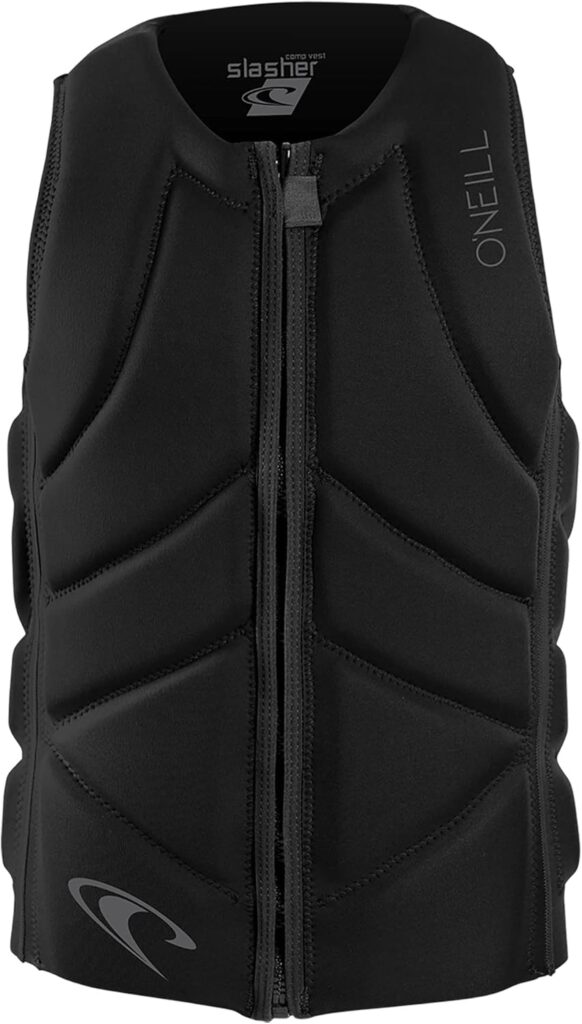
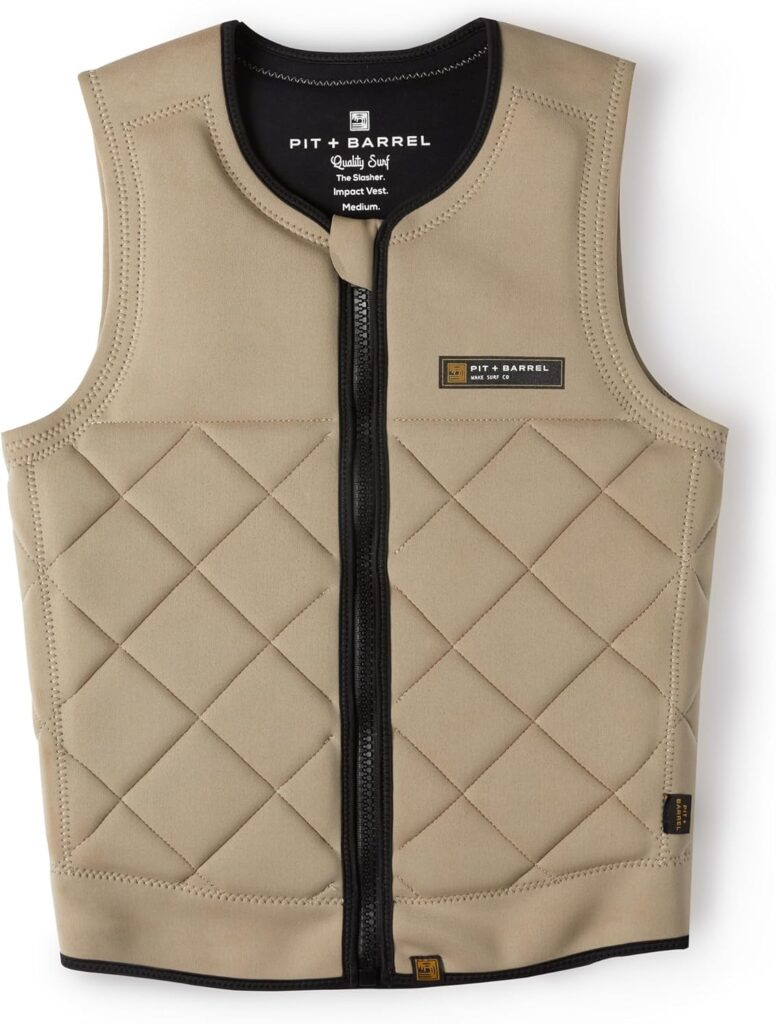
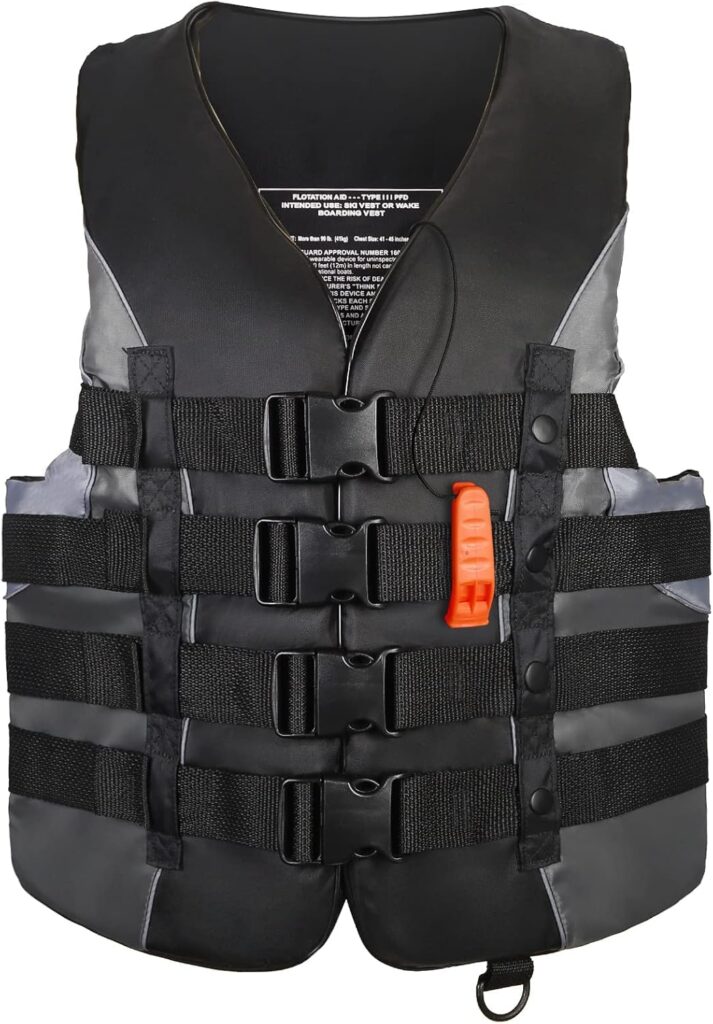
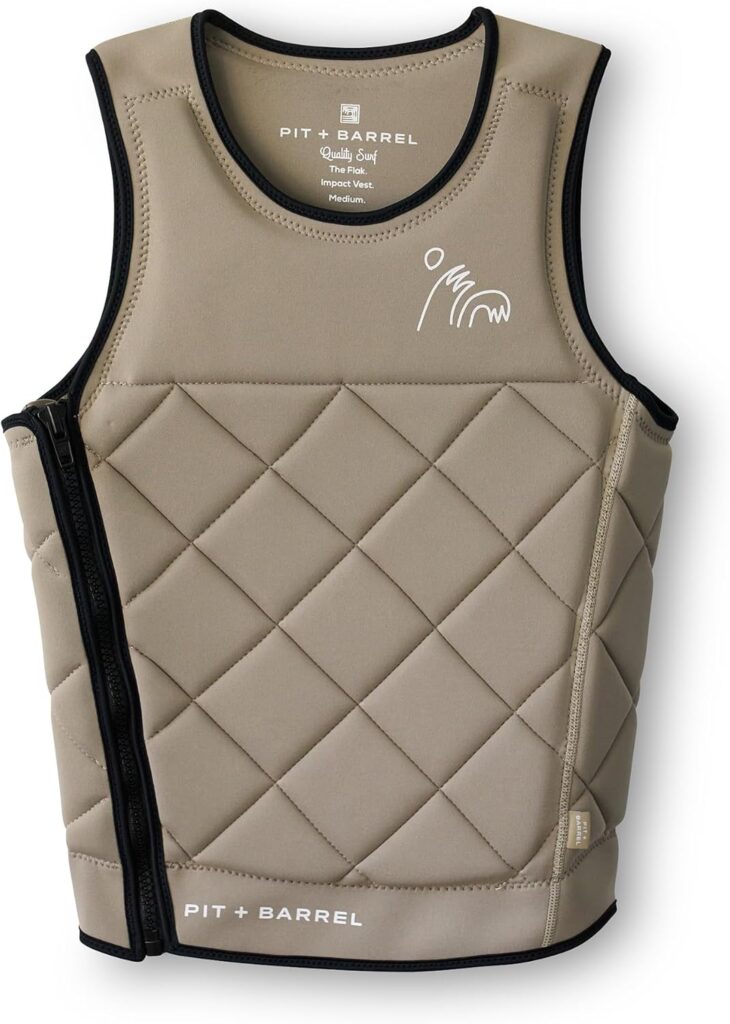
- Underestimating safety gear costs: A proper impact vest, helmet, and leash can add $150–$400 to your budget. Don’t skip these.
- Buying a complete discipline-specific kit for the wrong discipline: A pure surf foil kit won’t perform well behind a boat. Match your gear to your water.
Safety Gear You Need Before You Even Touch the Water
This section isn’t optional. Hydrofoiling is a sport with metal wings moving at speed through and above water. Respect that.
- Impact vest / PFD: Protects your ribs and organs when you hit the water at speed. Non-negotiable.
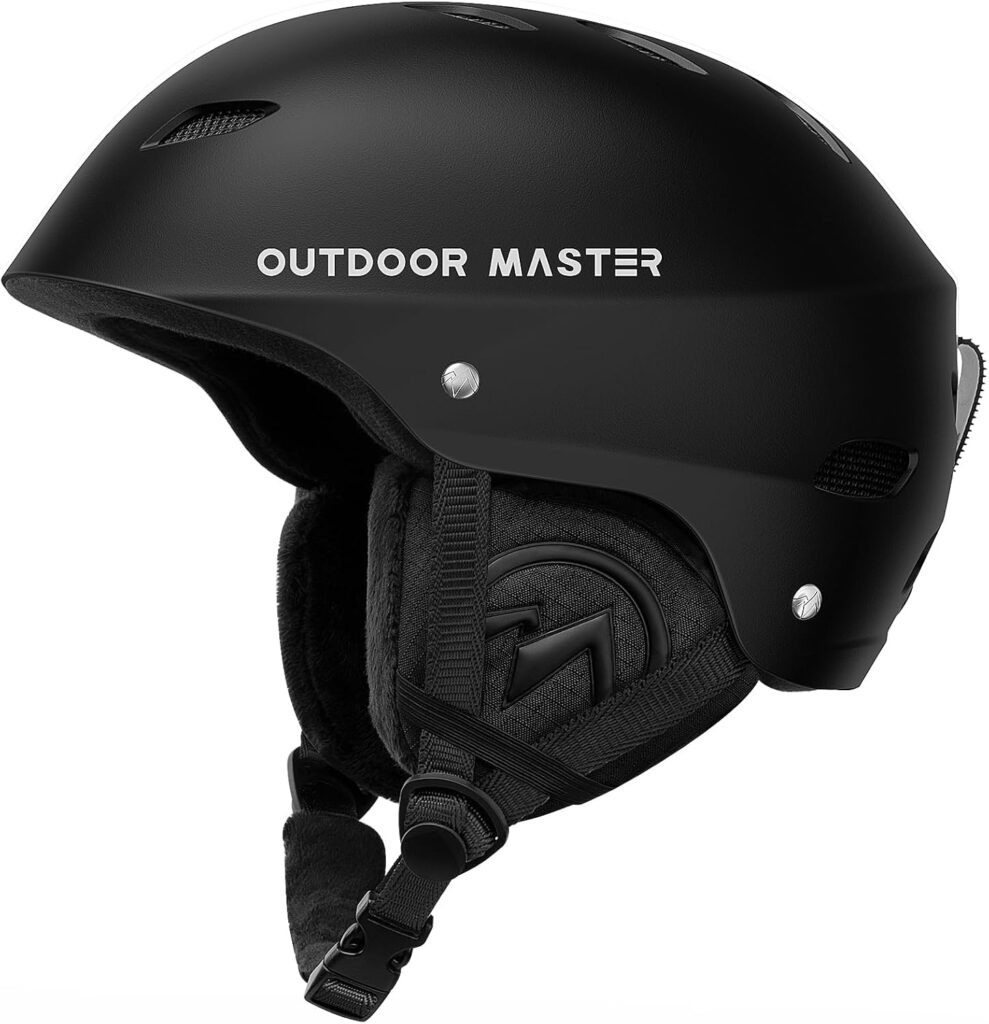
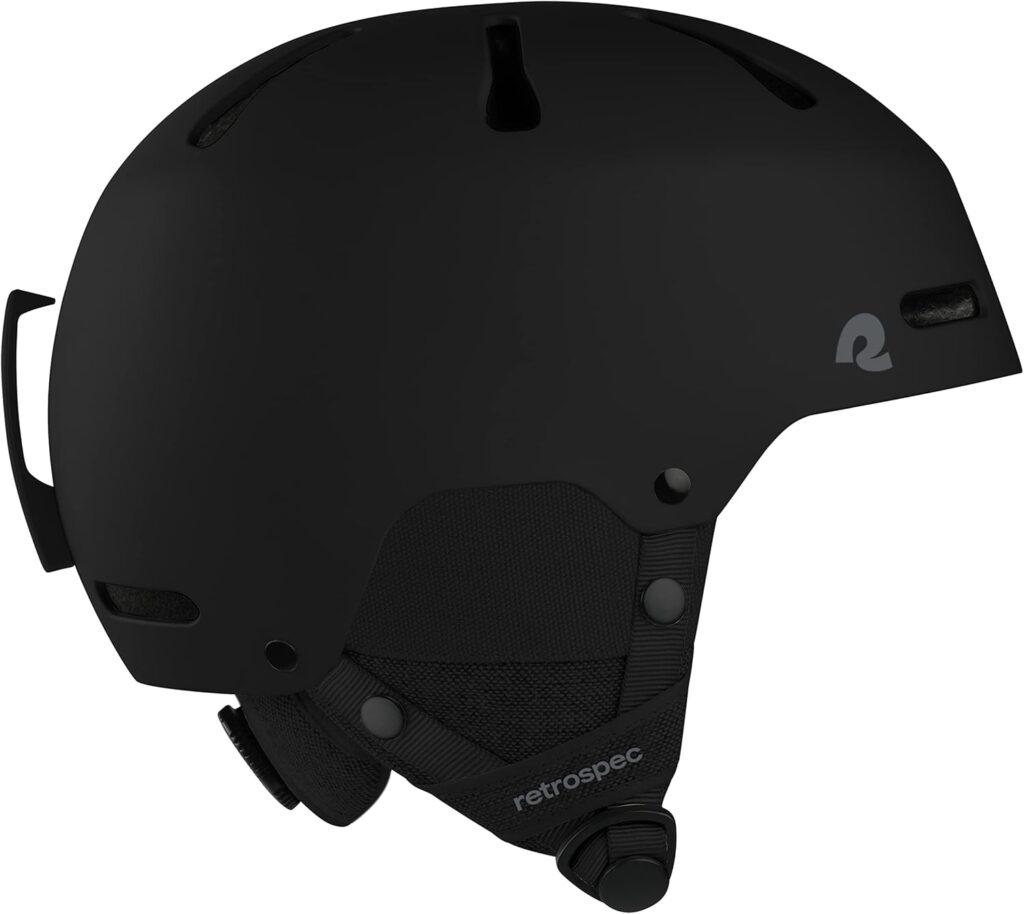
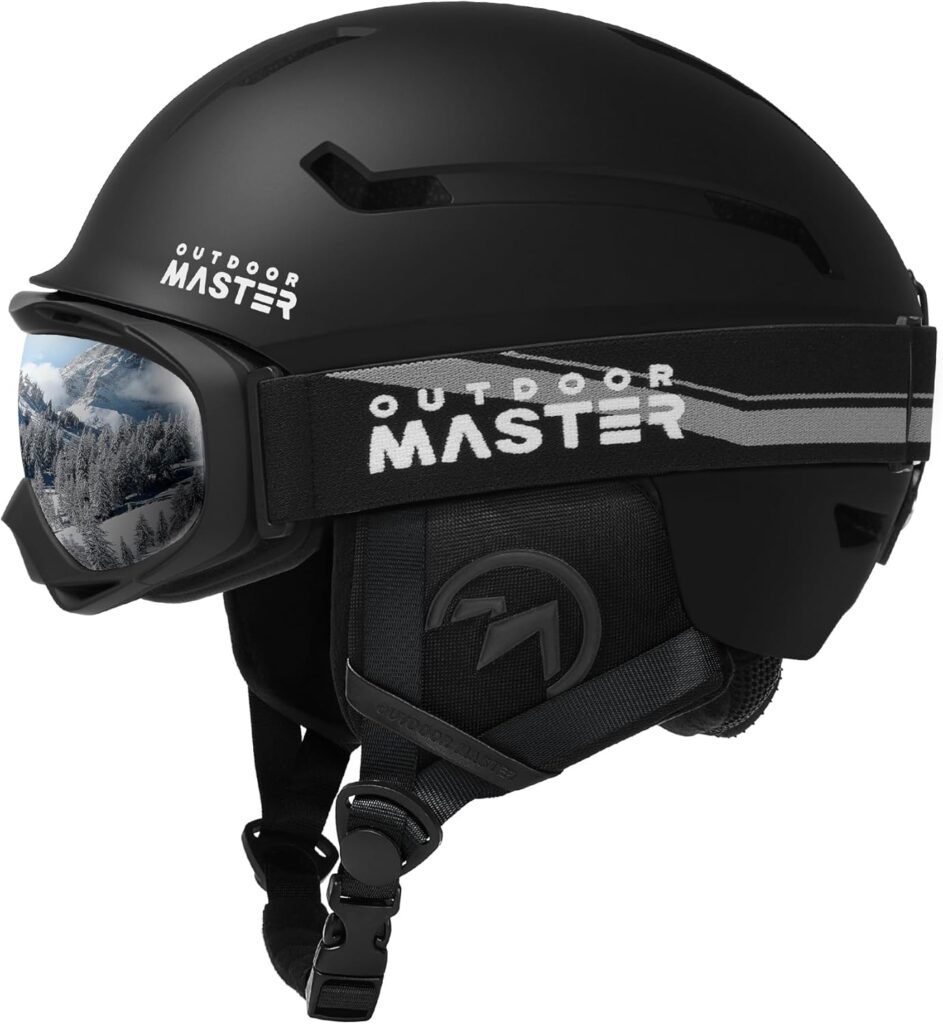
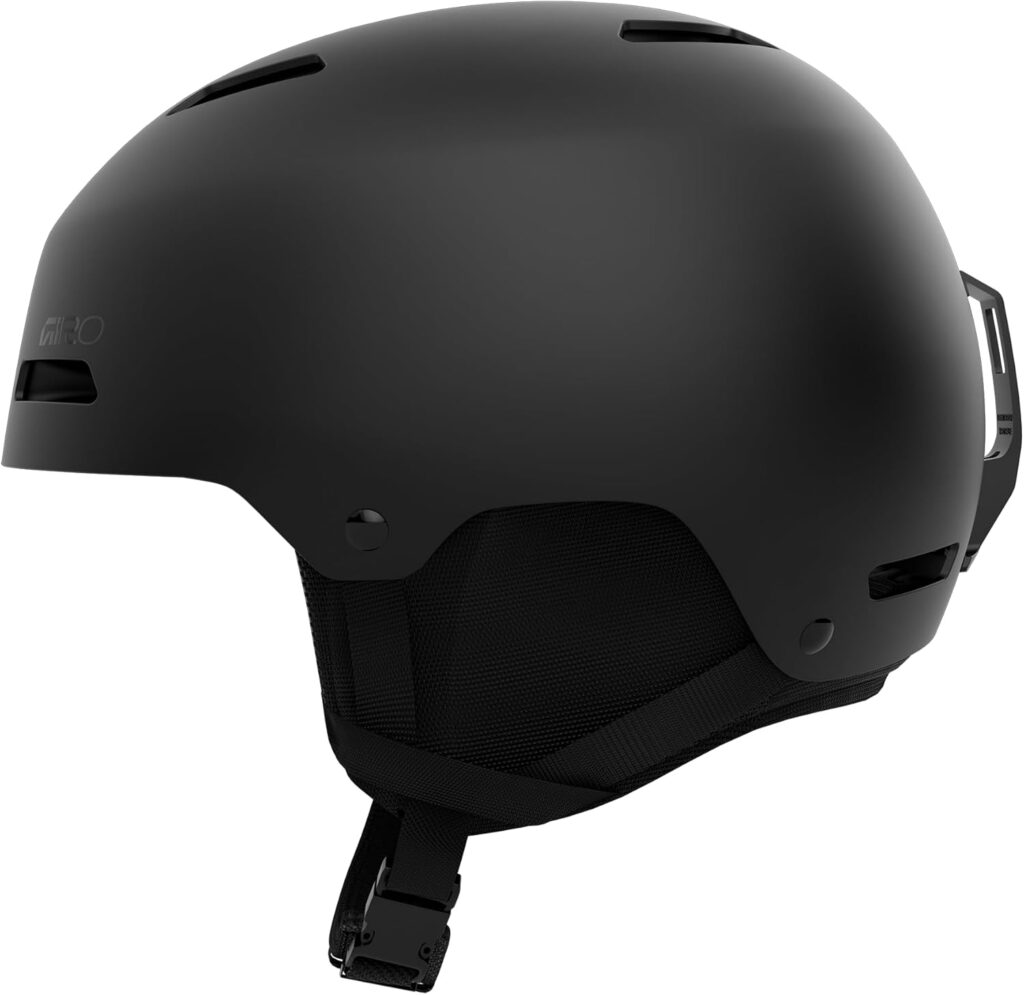
- Helmet: A water-specific helmet protects your head from the board and foil. Get one rated for water sports.
- Wetsuit or rash guard: Protects your skin from friction and mild impacts — plus keeps you warm in cooler water
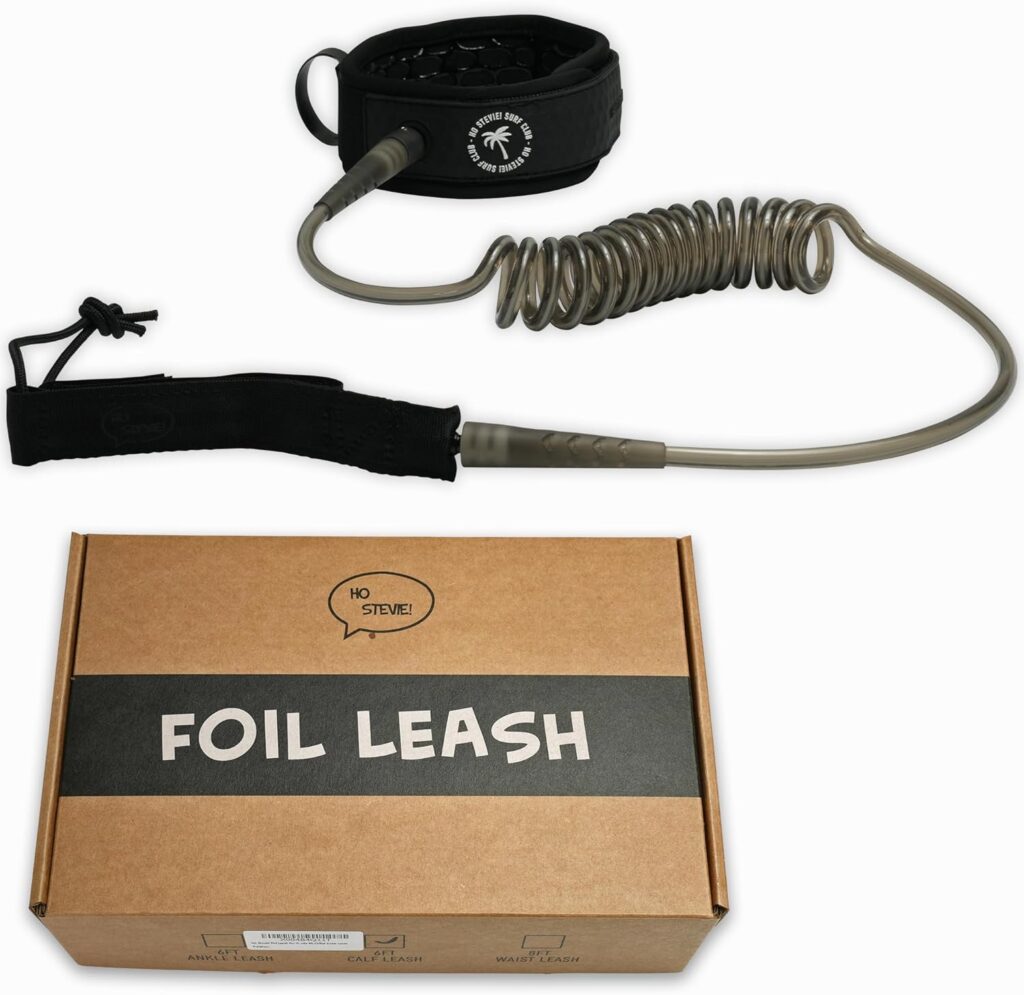
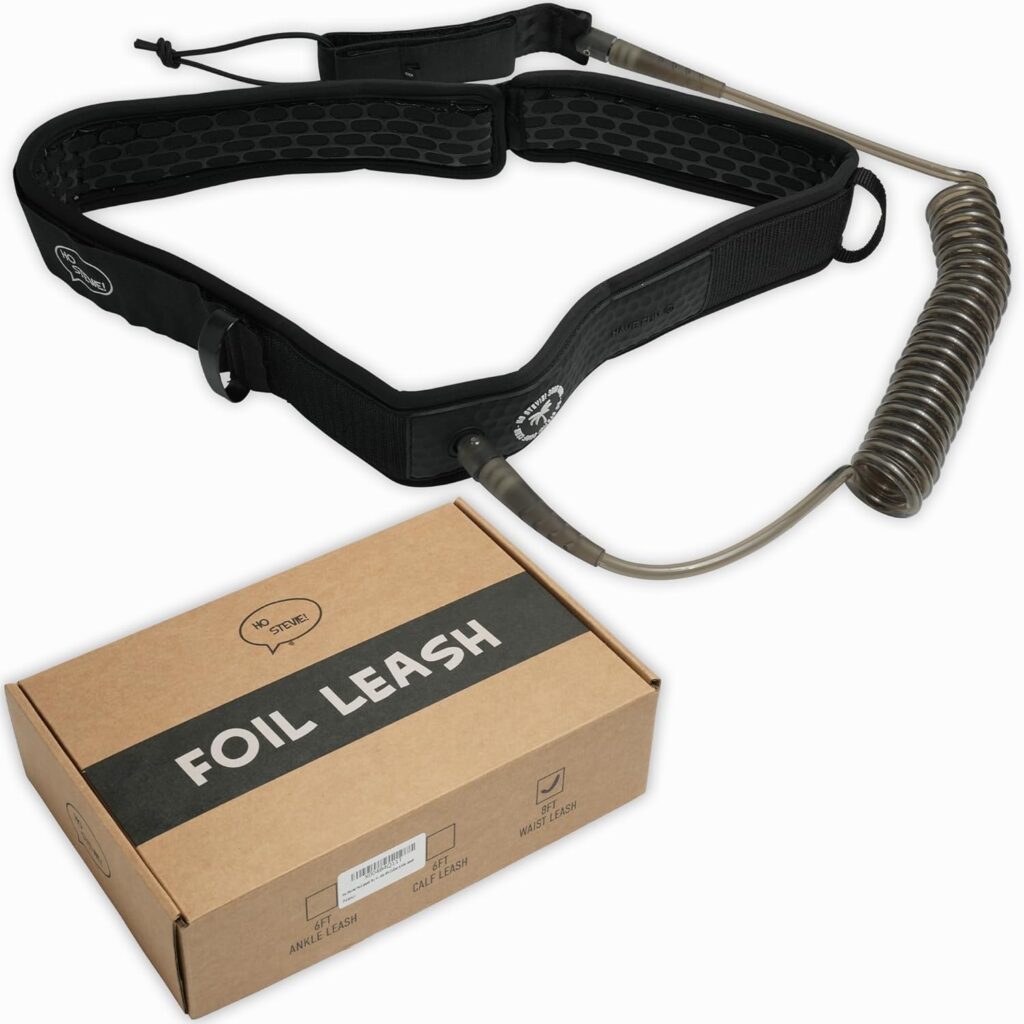
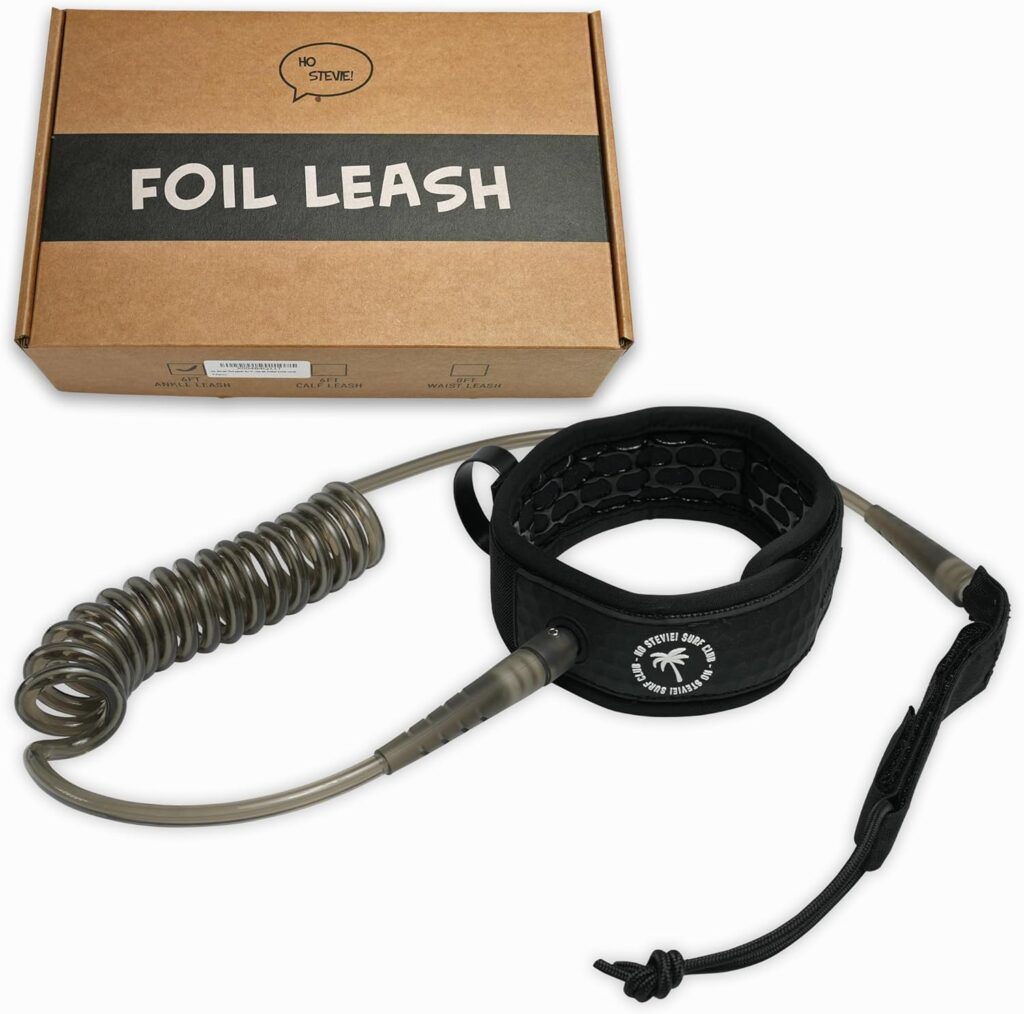
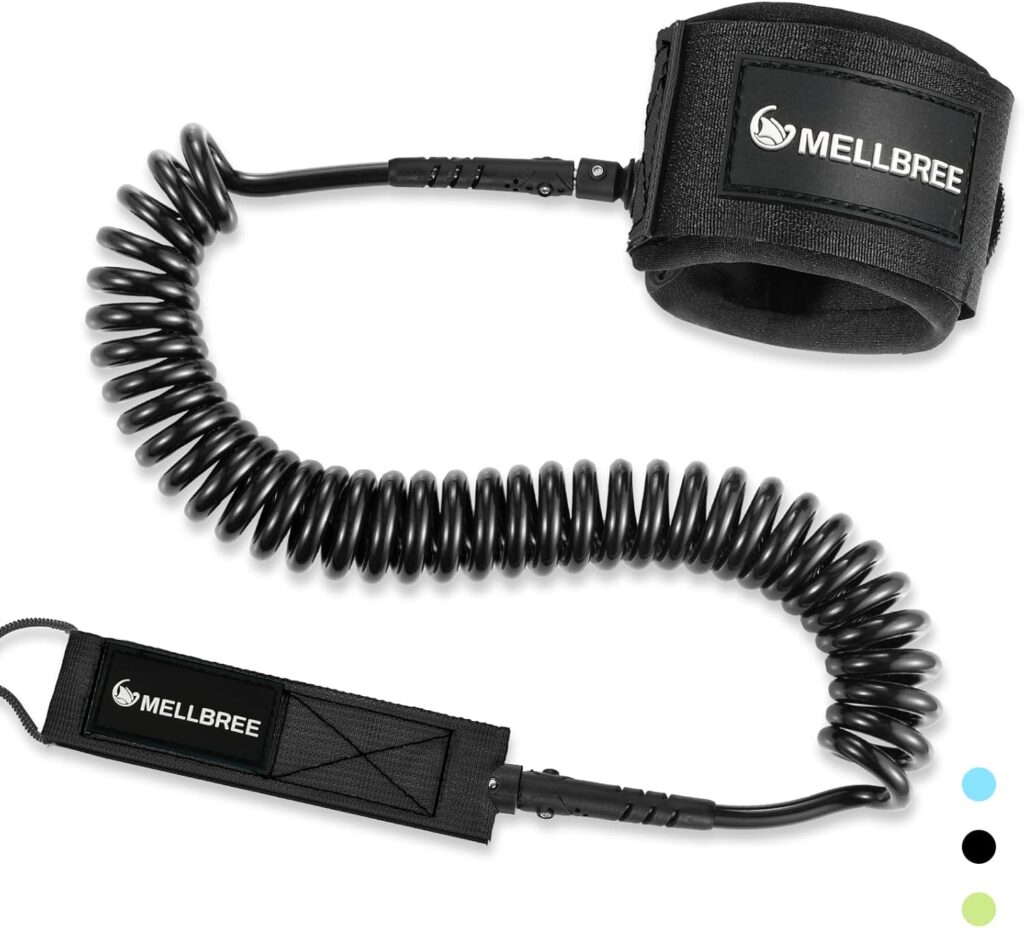
- Foil leash: Different from a surf leash, it keeps your board from flying into other people. Use a coiled ankle or calf leash designed for foiling.
- Booties: Protect your feet from the foil edges when you’re learning in shallow water.
| ⚠️ Important Safety Note Never foil near crowded beaches, swimmers, or boats while you’re still learning. Your foil is essentially a sharp metal blade traveling at speed so, treat it accordingly. Take a lesson before you go solo. |
Should You Take Lessons Before Buying?
Yes. A thousand times yes.
Taking even one or two lessons before purchasing your own gear will:
- Give you a feel for what size board and wing suits your body
- Help you understand what you actually enjoy about the sport
- Save you from buying the wrong thing
- Dramatically reduce your learning curve
- Keep you safer in the early stages
Many surf shops, kiteboarding schools, and water sport centers offer hydrofoil intro sessions for $100–$250. That’s far cheaper than buying the wrong $1,500 setup.
Frequently Asked Questions About Choosing a Hydrofoil Board
How hard is it to learn to hydrofoil?
It depends on your background. Experienced surfers, kiters, or wakeboarders often get their first flights within a few sessions. Complete beginners may need 5–10 sessions before they’re comfortable flying consistently. The learning curve is steep but deeply rewarding.
What’s the minimum speed needed to get up on a foil?
Most beginner foils are designed to generate lift at around 8–12 knots (roughly 9–14 mph). High-performance foils require faster speeds but are more efficient once airborne.
Can a heavy person hydrofoil?
Absolutely. In fact, heavier riders often find it easier to generate enough speed to get up on the foil quickly. The key is matching your board volume and wing size to your weight, both of which we covered earlier in our hydrofoil board volume guide and wing size sections.
Do I need a special board for hydrofoiling or can I convert my existing one?
Some boards can be converted to foil boards if they have the right structural reinforcement and compatible mounting inserts. However, most surfers find that a dedicated foil board performs significantly better. Converted boards can delaminate or crack under the stress of foiling.
What’s the difference between a foil mast and a foil fuselage?
The mast is the vertical pole that connects the board to the foil system. The fuselage is the horizontal tube that connects the front wing to the rear stabilizer. Together with the wings, they form the complete underwater hydrofoil assembly.
How do I know if a hydrofoil kit is compatible with my board?
Look at the board’s mast track system. The most common track standard is the “deep tuttle box” and the “plate mount” system. Your foil mast base needs to match. Always confirm compatibility before purchasing.
Is wing foiling easier than surf foiling for beginners?
Generally, yes. Wing foiling gives you more control over your power source (the wing) compared to relying on unpredictable waves. Many instructors now recommend wing foiling as the best entry point for first-time foilers.
How do I maintain my hydrofoil?
Rinse everything with fresh water after every session, especially if you’re riding in salt water. Check bolts and screws regularly, vibration can loosen them over time. Inspect the mast and wings for chips, cracks, or corrosion. Store your foil in a padded bag away from direct sunlight.
Can I use my hydrofoil in rivers or lakes?
Yes, with some cautions. Rivers have currents, underwater debris, and varying depths that require extra awareness. Lakes are generally safer for foiling. Always check depth before your session because most foils need at least 3–4 feet of water to operate safely.
What’s the best hydrofoil brand for beginners?
There isn’t a single “best” brand. It depends on your discipline, budget, and location (availability of local dealers matters). Brands consistently praised for beginner-friendly kits include Naish, Slingshot, Axis Foils, and Cabrinha. Look for brands with strong community support and good spare parts availability.
The Bottom Line on How to Choose Your First Hydrofoil Board
Knowing how to choose your first hydrofoil board comes down to one core principle: match your gear to your skill level, not your ambition. Start with a high-volume board, a large beginner-friendly wing, a medium-length aluminum mast, and a complete kit that takes the compatibility guesswork out of the equation.
Remember: your first board doesn’t need to be perfect. It needs to be right for where you are today. Most foilers upgrade their setup within 12–18 months as their skills develop. The goal right now is getting on the water, staying safe, and discovering why so many people call hydrofoiling the most addictive sport they’ve ever tried.