Hydrofoil Surfing Tips: 15 Things Every Beginner Wishes They Knew Before Their First Ride
Hydrofoil surfing tips are everywhere online but most of them assume you already know what you’re doing. Here’s the truth: your first time on a hydrofoil board is nothing like surfing, nothing like paddleboarding, and nothing like anything else you’ve tried on water.
It’s thrilling, humbling, and completely addictive the second you finally get it right. This guide was written specifically for the person standing on the beach, board in hand, heart pounding, wondering what on earth they’ve gotten themselves into.
Most beginners fall a lot in the first session. Not because they’re bad at sports, but because nobody gave them the right hydrofoil surfing tips before they stepped onto that board. Balance, body position, speed management, and even your mental approach all need to be dialed in before things start clicking.
What Is Hydrofoil Surfing? (And Why Is It So Different?)
Before we get into the hydrofoil surfing tips, let’s make sure we’re on the same page about what’s actually happening when you ride a hydrofoil board.
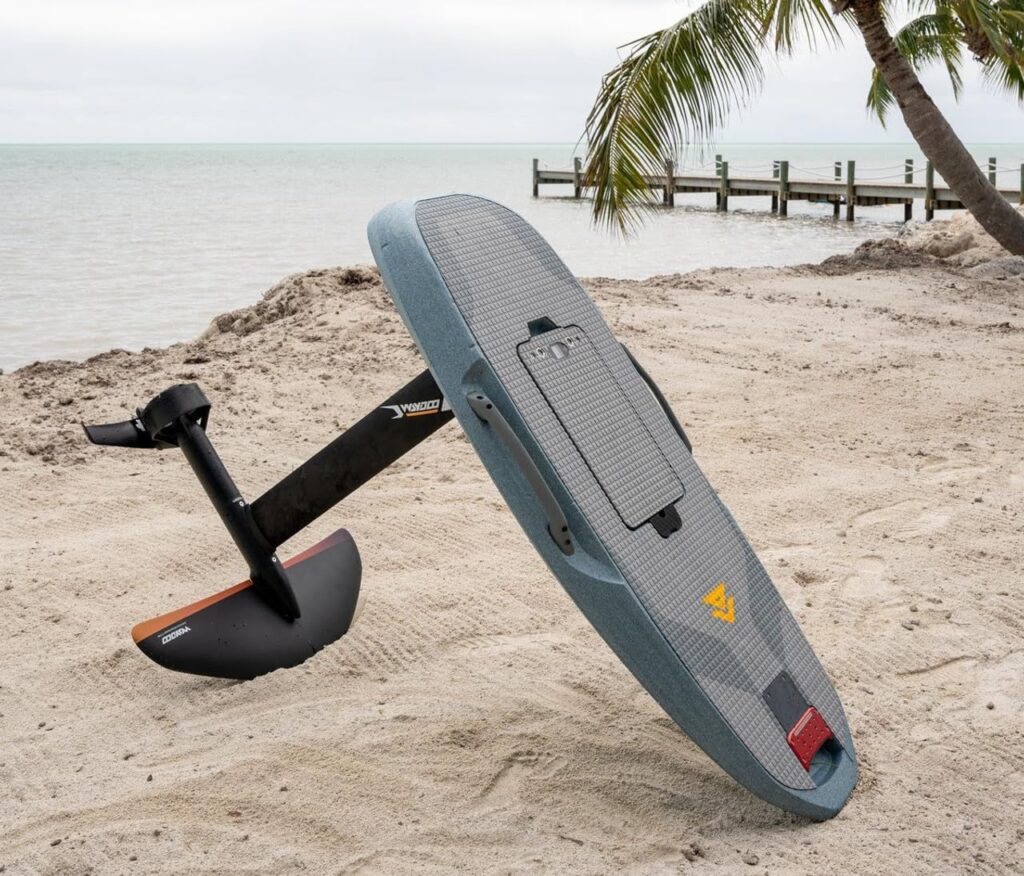
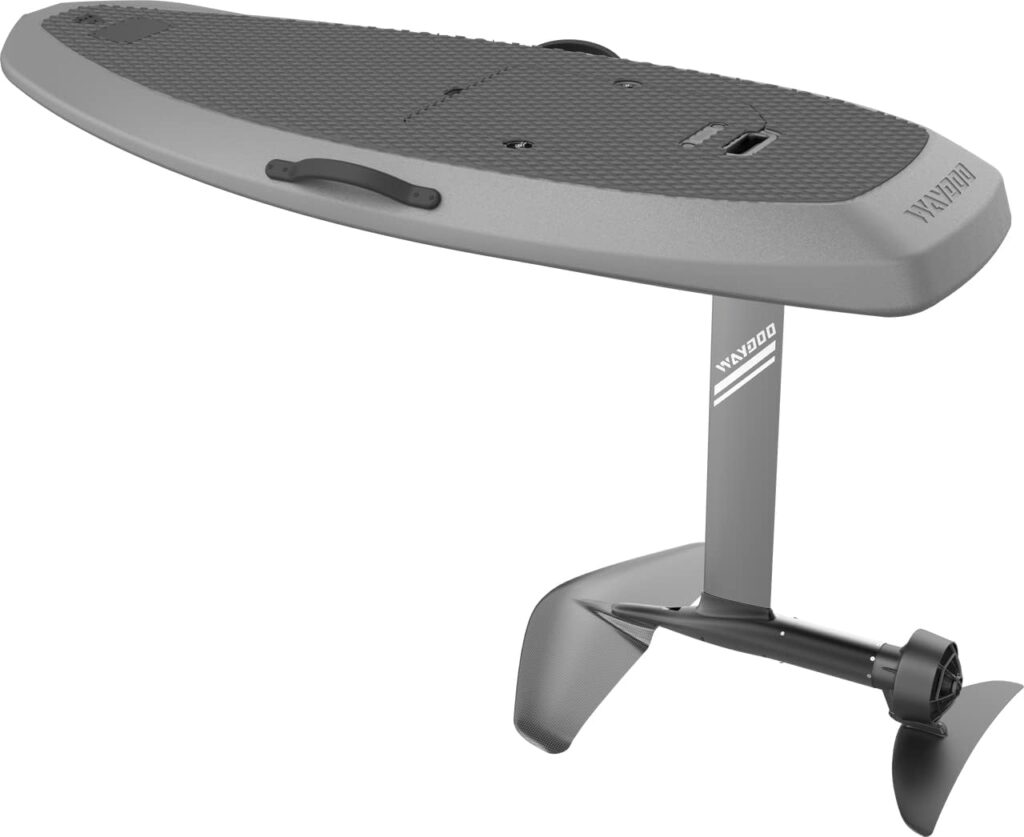
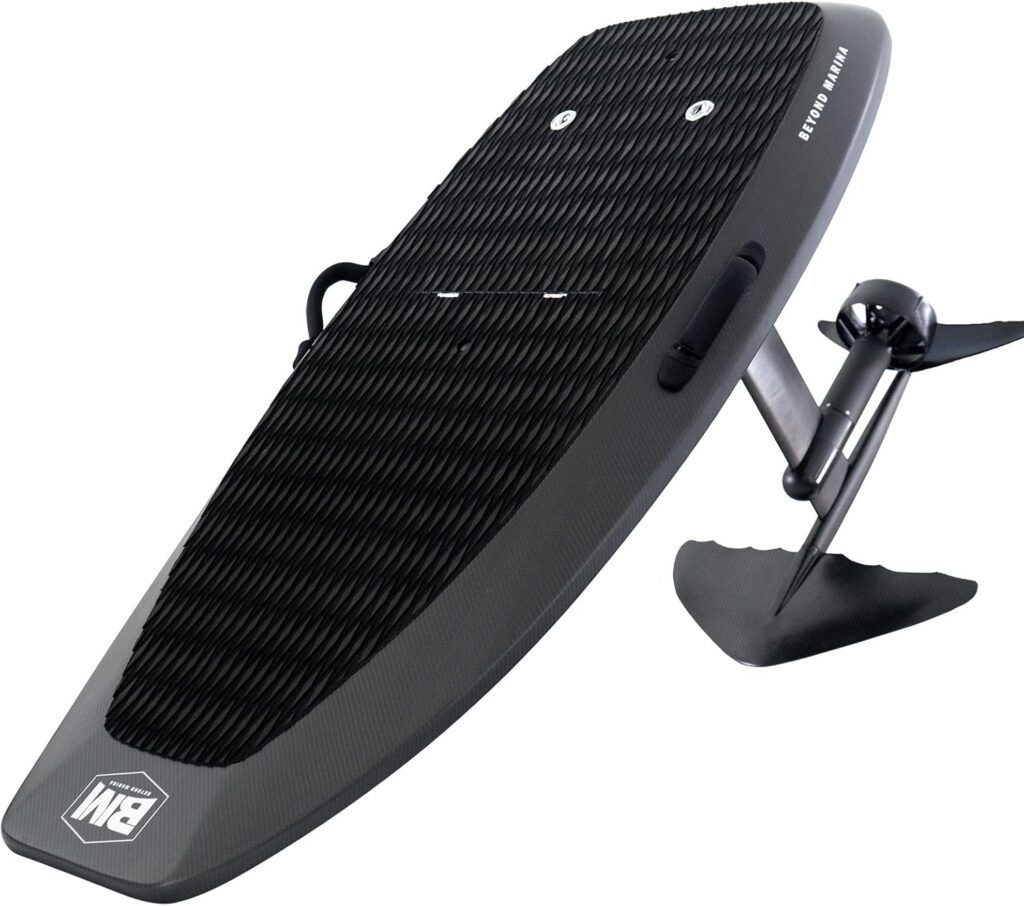
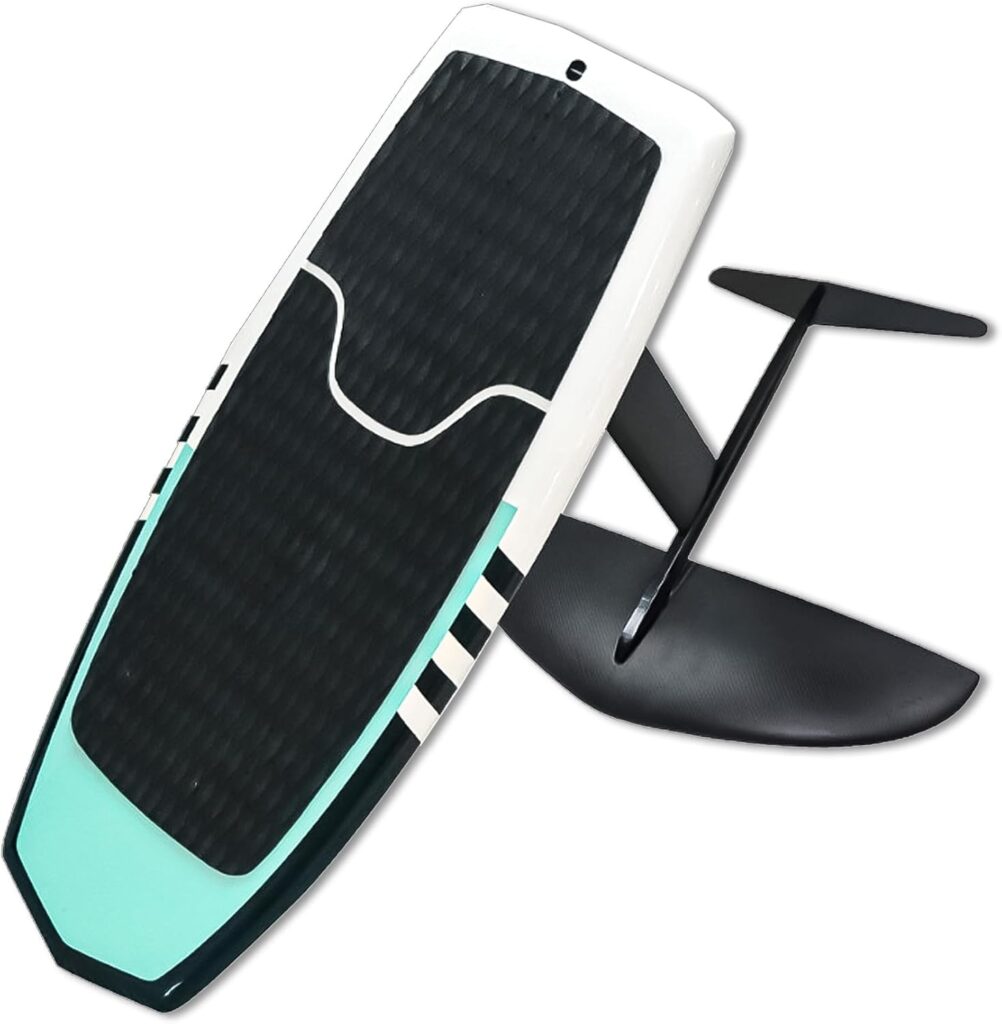
A hydrofoil board has a long mast attached to the underside. At the bottom of that mast is a set of wings, the foil. When the board picks up speed, those wings generate lift, and the board rises completely out of the water.
You end up flying above the surface, supported only by the foil cutting through the water beneath you.
It sounds complicated, and it is at first. But that’s exactly why hydrofoil surfing tips matter so much for beginners. Once you understand the mechanics, everything starts to make sense.
| Quick Fact: Hydrofoils were originally used in military vessels and racing boats before recreational versions became widely available in the early 2010s. Today, they’re used in surfing, kiteboarding, wakeboarding, SUP, and even sailing. |
15 Hydrofoil Surfing Tips Every Beginner Needs to Know
Tip 1 — Start Low, Go Slow
One of the most overlooked first time hydrofoiling tips is this: set your mast at the lowest possible height before your first session. Most foil setups allow you to adjust the mast length, and shorter means the board stays closer to the water.
That means less height when you fall, less instability when the board wobbles, and a much more forgiving learning curve.
Beginners who set their mast too high end up launching into the air with zero control. Start low. You can always raise it once your balance improves.
| Pro Tip: Many instructors recommend beginners keep the mast at around 60–70 cm for the first few sessions before gradually moving up. |
Tip 2 — Learn to Balance on a Hydrofoil Before You Chase Speed
Knowing how to balance on a hydrofoil is everything. If your balance is off, more speed just makes things worse. You’ll either breach (the foil comes out of the water) or dive (the nose goes down and you crash forward).
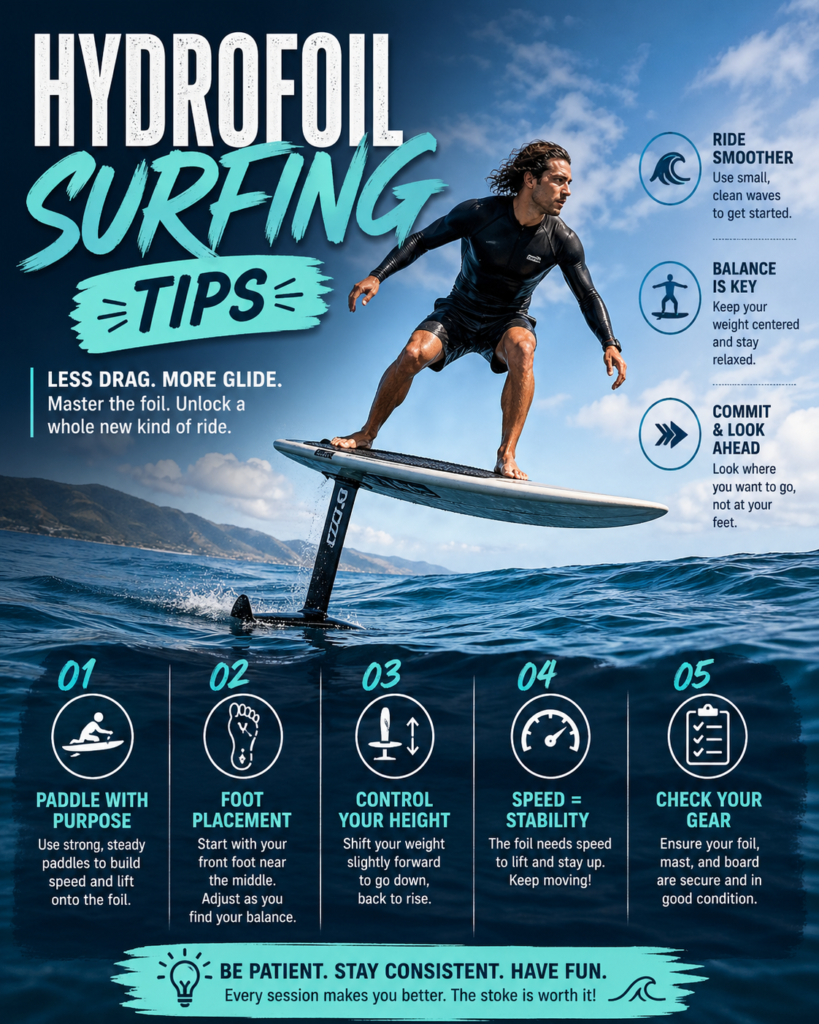
Practice standing on the board while it’s stationary first. Feel where your weight needs to be. Your front foot controls pitch, pressing it down dips the nose. Your back foot lifts the board. In the water, that balance is your #1 tool.
- Stand with feet shoulder-width apart, slightly bent knees.
- Front foot should sit just behind or over the front wing of the foil.
- Back foot controls lift, too much back pressure and you’ll overshoot and breach.
- Keep your arms out for balance like a tightrope walker, seriously, it helps.
Tip 3 — Don’t Try to Stand Up Too Early
This is the #1 hydrofoil beginner mistake. Riders see the board rise and immediately try to stand fully upright before the foil has stabilized. The board then wobbles, you panic, shift your weight the wrong way, and fall.
Instead, get comfortable in a crouched, low stance first. Keep your center of gravity low. Let the board rise. Stabilize. Then gradually stand taller. Rushing the process is how most beginners end up swimming lap after lap.
| Remember: A crouched stance gives you much more control than standing upright. Stay low until the board feels smooth and consistent beneath you. |
Tip 4 — Understand the Foil Surfing Technique Before You Hit the Water
Great foil surfing technique tips start with body mechanics. Unlike regular surfing where you lean into turns mostly with your upper body, foiling requires precise weight shifts through your feet.
Small adjustments make big changes when you’re flying above the water.
Here’s the basic technique breakdown:
- Neutral position: Board level, foil at mid-depth, slight crouch.
- To rise: Shift weight slightly back, apply gentle back foot pressure.
- To descend: Shift weight forward, press the front foot gently.
- To turn left: Lean slightly left through your hips, not your shoulders.
- To turn right: Mirror the opposite.
The key insight is that foiling technique is all about micro-adjustments. Big jerky movements are your enemy. Smooth, calm, controlled inputs are what keep you flying.
Tip 5 — Pick the Right Board and Foil Setup for Beginners
Not all hydrofoil setups are created equal. The right setup makes a massive difference in how quickly you progress. Here’s what to look for as a beginner:
| Feature | Beginner-Friendly | Advanced |
| Board Volume | High (100L+) | Low (60–80L) |
| Foil Wing Size | Large (1800–2500 cm²) | Small (1000–1500 cm²) |
| Mast Length | Short (60–70 cm) | Tall (80–100 cm) |
| Fuselage | Long (stable) | Short (maneuverable) |
| Ideal Conditions | Flat water / small waves | Waves, chop, swell |
A bigger wing creates more lift at lower speeds, which means you can practice foiling without needing to go fast. This is ideal when you’re still figuring out how to get up on a hydrofoil for the first time.
Tip 6 — How to Get Up on a Hydrofoil: The Step-by-Step Method
This is probably the question every new foiler asks: how to get up on a hydrofoil without falling immediately. Here’s the most effective method for beginners using a tow rope, wake boat, or similar power source:
- Start lying on the board, face down, with the foil below you in the water.
- As the boat pulls you, keep your weight centered and let the board glide on the surface.
- Bring your knees up under you into a kneeling position first — don’t rush to stand.
- Once stable on your knees, gradually bring one foot up at a time.
- Once standing, hold your crouched low position and let the board naturally lift as speed increases.
- Use gentle back-foot pressure to initiate the lift, don’t push hard or you’ll overshoot.
That kneeling step is the secret sauce. Most online hydrofoil surfing tips skip it, but it dramatically increases your success rate on the first day.
Tip 7 — Your Head Position Matters More Than You Think
Here’s a foil surfing technique tip that sounds almost too simple: look where you want to go. Your head position directly influences your body weight, which directly influences the foil.
If you stare down at the board, your weight shifts forward and the nose goes down. If you look too far back, you breach and lose the foil.
Keep your gaze on the horizon. Pick a fixed point in the distance and ride toward it. This keeps your body naturally upright, your balance centered, and your turns smooth.
Tip 8 — Expect to Fall, and Fall Safely
Every great foiler has a collection of spectacular fall stories. Falling is not failure, it’s data. But you do need to fall safely, because the foil is sharp and the mast is rigid.
Safe falling rules:
- When you feel yourself going down, try to fall away from the board, not onto it.
- Cover your head when you hit the water, especially if the board is above you.
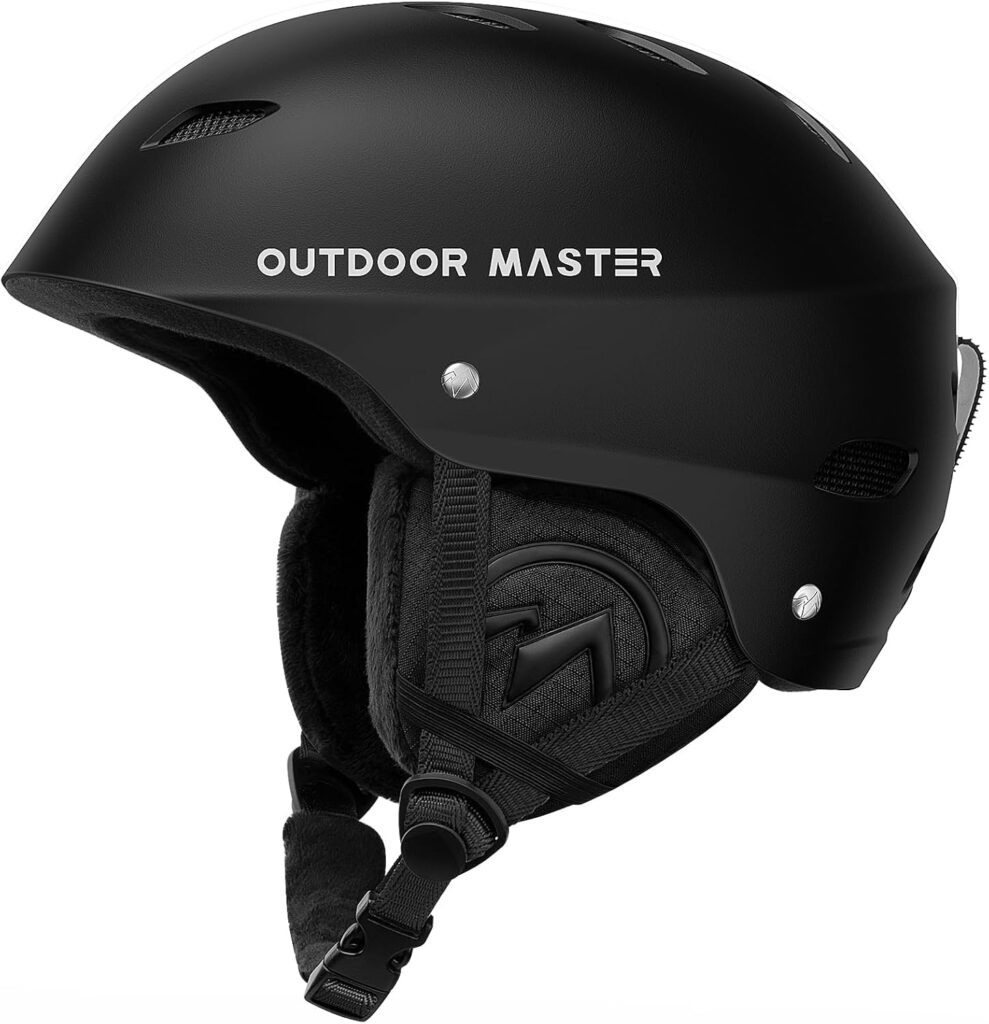
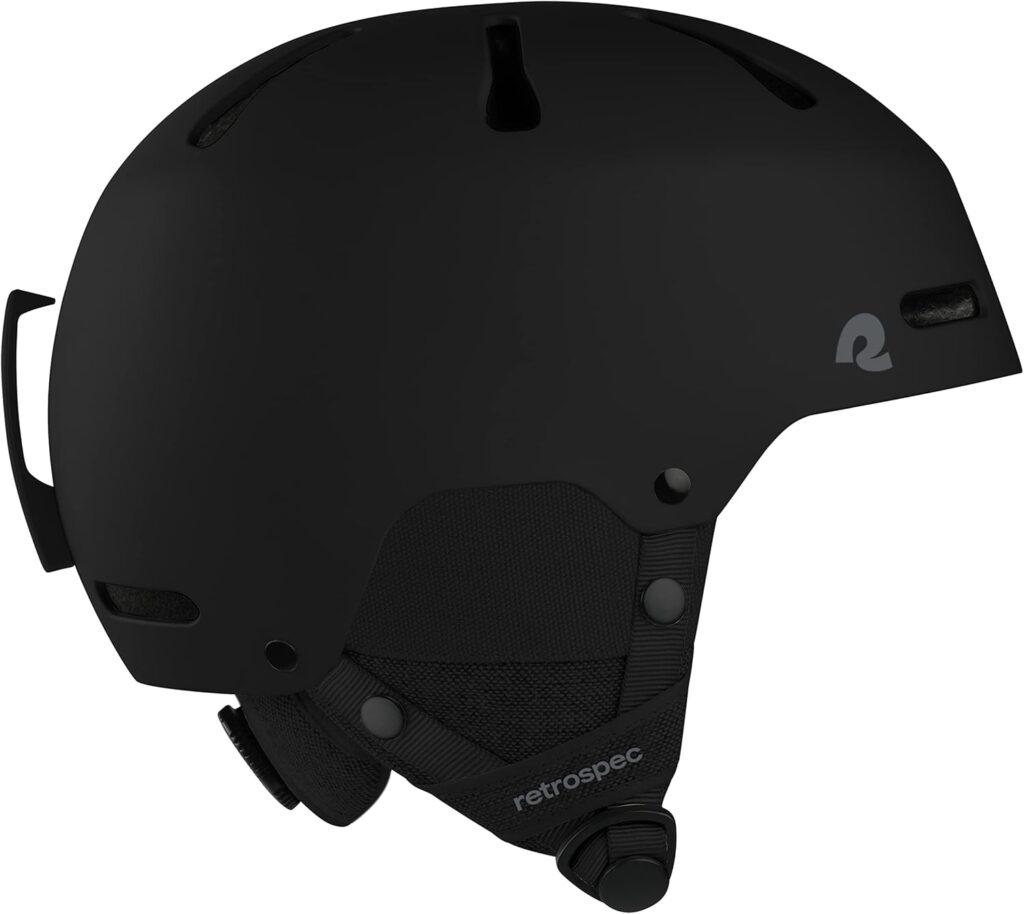
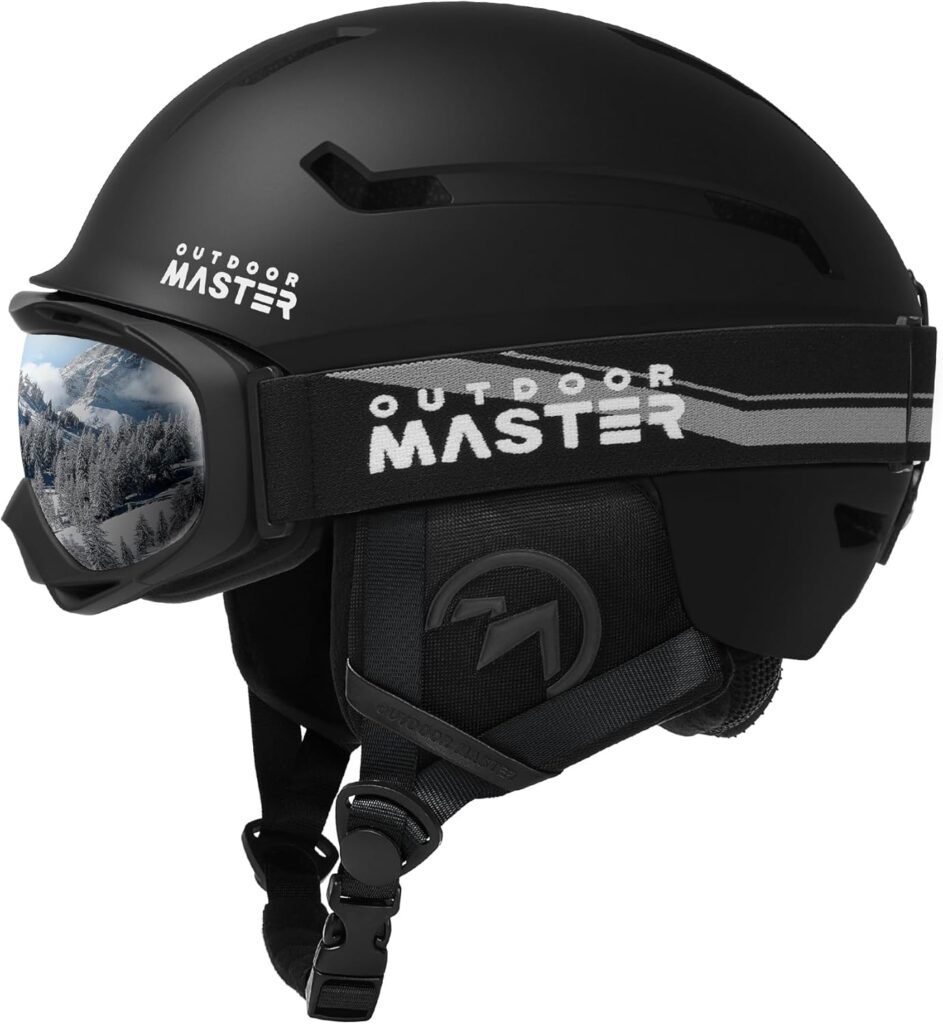
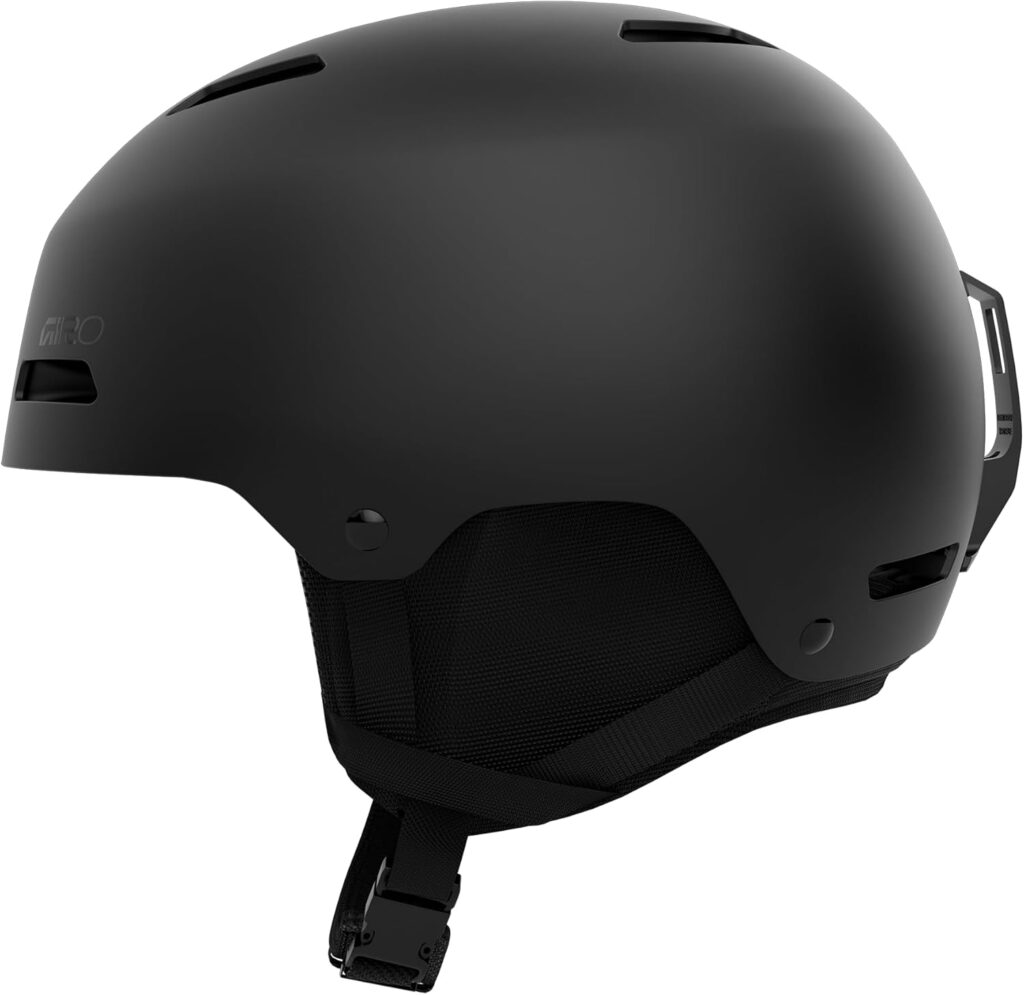
- Always wear a helmet for your first several sessions.
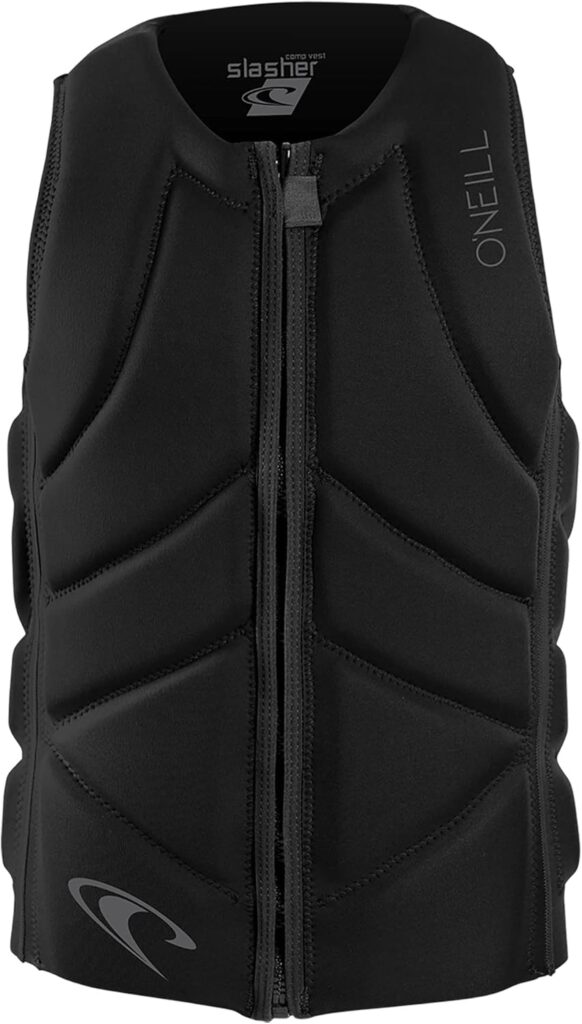
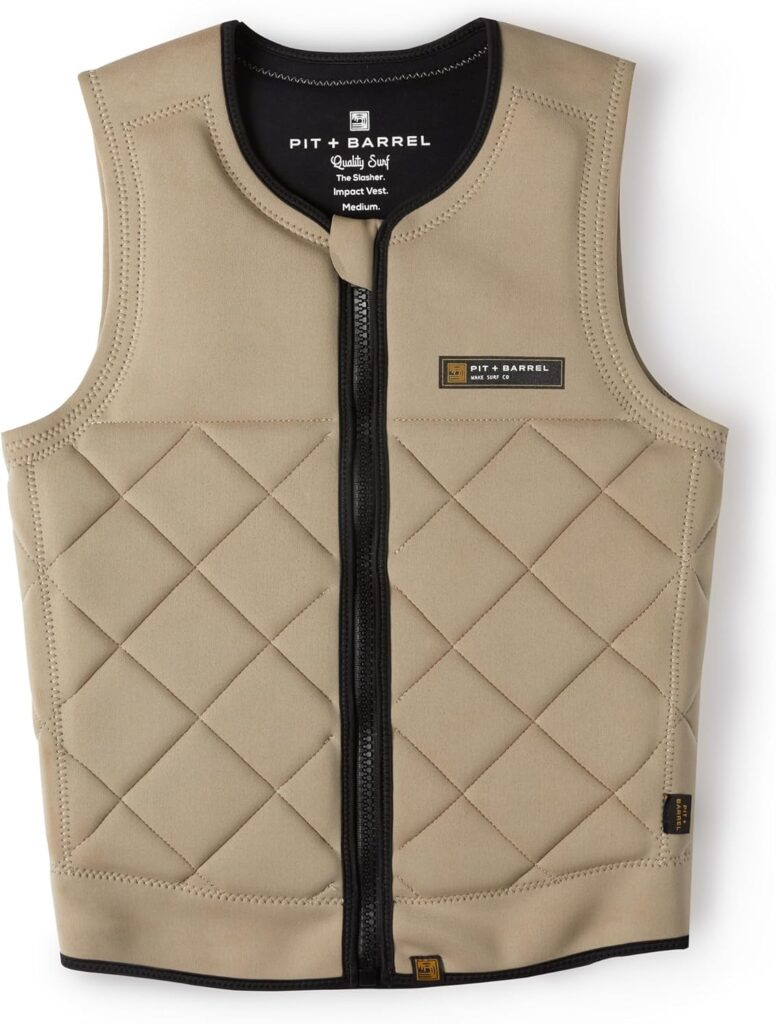
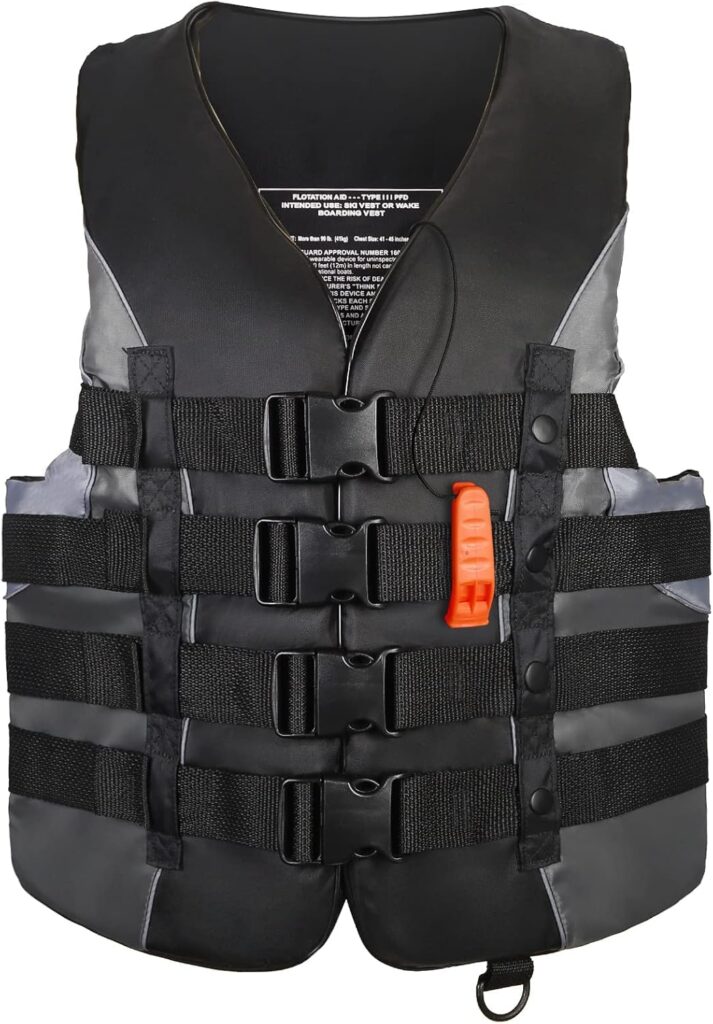
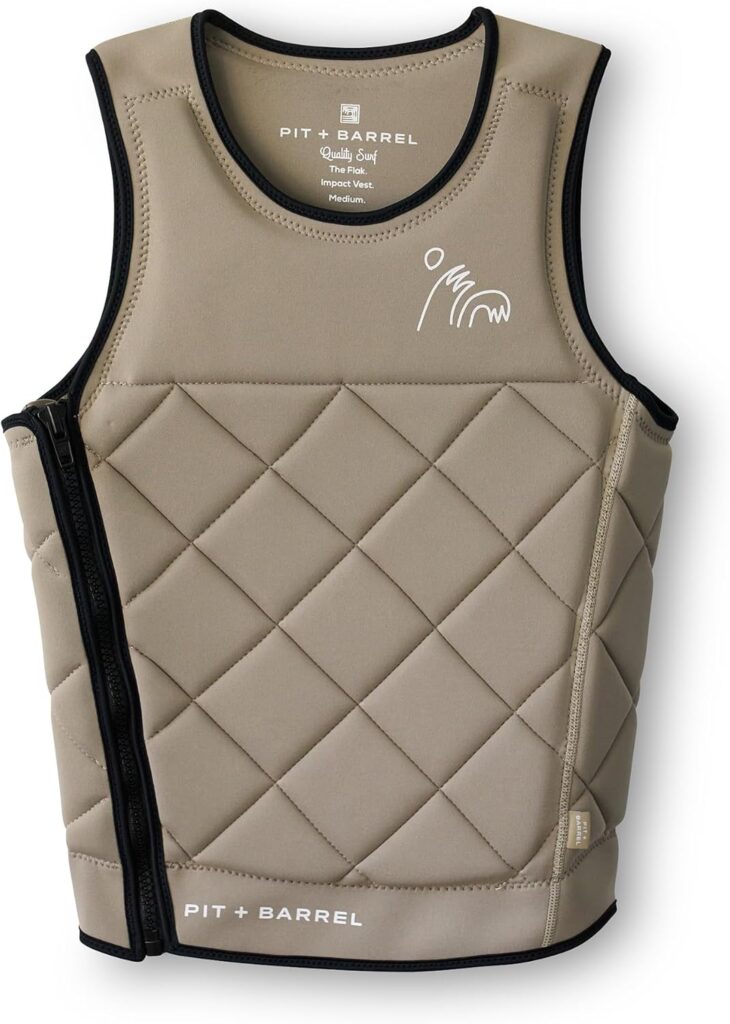
- Impact vests (not just life jackets) are strongly recommended as they help you absorb impact.
- Don’t reach out to catch yourself with your hands because a foil impact at speed can cause serious injury.
The hydrofoil surfing tips around safety are not optional. Treat them like seatbelt rules.
Tip 9 — Take Hydrofoil Lessons (What to Expect)
If you’ve never been on a foil board, professional hydrofoil lessons are absolutely worth it. Here’s what to expect from a typical beginner lesson:
Hydrofoil lessons: what to expect, most intro lessons run 2–3 hours and begin on land with equipment orientation. You’ll learn about the parts of the foil, basic stance, and safety protocols before getting in the water.
In the water, instructors typically use a tow rope behind a boat or jet ski at a controlled speed (usually 10–14 mph for beginners). Many schools keep you on your knees for the entire first session, and that’s completely normal.
- Session 1: Learn board position, kneeling stance, and staying stable at low foiling height.
- Session 2: Attempt to stand and hold position briefly before the foil lifts.
- Session 3+: Start working on maintaining flight, small turns, and controlled landings.
Most beginners get their first brief ‘flight’ in the second or third session. Don’t be discouraged if it takes longer, everyone’s body learns at a different pace.
Tip 10 — The Right Speed Zone Is Everything
One of the most underrated hydrofoil surfing tips for beginners involves understanding your speed range. Too slow, and the foil doesn’t generate enough lift to get you airborne. Too fast, and small imbalances get amplified and you breach or crash hard.
As a rough guide for recreational beginner foiling:
| Speed Range: Most beginner-friendly foil setups work best between 10–18 mph (16–29 km/h). Flat water pumping boards can fly at even lower speeds due to larger wing designs. |
The sweet spot for beginners is typically around 12–15 mph. At this speed, a large wing gives you stable lift without making the ride feel out of control. As you progress, you’ll naturally push that range higher.
Tip 11 — Pump Your Way to Longer Rides
Once you’ve got the basics down, pumping is the skill that takes your sessions to the next level.
Pumping means using rhythmic up-and-down body movements to generate momentum through the foil, allowing you to keep flying even as your natural power source (wave, boat, wind) fades.
It’s the same principle as pumping on a skateboard; you generate energy through movement rather than coasting. Here’s how to start learning it:
- As the board starts to slow, press down gently with your front foot, this dips the foil and builds speed.
- Then shift weight back slightly and let the foil rise again, this provides lift and momentum.
- Repeat in a smooth, fluid rhythm: front, back, front, back.
- Keep the motion small and controlled. Big movements stall the foil.
Pumping is one of those foiling tips and tricks that feels impossible until it doesn’t and then suddenly you’re gliding across flat water with no external power at all.
Tip 12 — Flat Water Is Your Best Friend Early On
Ocean waves are exciting but for your first few sessions as a beginner, flat water is where you want to be. Lakes, calm bays, lagoons, and flat-water estuaries give you a consistent, predictable surface to practice on.
Wave chop adds an extra layer of instability that makes it much harder to find your foil surfing technique. Once you can hold a stable flight for 20+ seconds on flat water, start introducing small, gentle swell.
This tip is one of the most consistent hydrofoil surfing tips for beginners that coaches give and it’s one of the most commonly ignored by people who are eager to get into the surf immediately. Patience here pays off in weeks, not months.
Tip 13 — The Most Common Hydrofoil Beginner Mistakes (And How to Avoid Them)
Let’s talk about what actually goes wrong. These are the most common hydrofoil beginner mistakes that show up in almost every first-timer:
| Mistake | Fix |
| Standing up too fast | Kneeling stance first, always |
| Looking down at the board | Eyes on the horizon — always |
| Using stiff, tense legs | Bend your knees, stay relaxed |
| Overreacting to wobbles | Small corrections, trust the foil |
| Going too fast, too soon | 10–14 mph until you’re stable |
| Skipping safety gear | Helmet + impact vest, every time |
| Using an advanced foil setup | Beginner foil: large wing, short mast |
| Riding in choppy water first | Start on flat water, always |
Tip 14 — Learn How the Foil Reacts to Different Water Conditions
As your skills improve, you’ll start to notice that the foil behaves differently depending on water conditions. This is one of the more advanced hydrofoil surfing tips, but it’s worth planting this seed early so you can start observing.
- Cold water: Denser than warm water, the foil generates slightly more lift for the same speed.
- Choppy water: Causes the foil to ‘hunt’ up and down, you need to absorb this with flexible knees.
- Swell: You can use the wave energy to pump and ride without any external power source.
- Wind: Upwind rides are slower and require more effort; downwind is faster and more dynamic.
Understanding these nuances is what separates a beginner foiler from an intermediate one. Pay attention to how the water is behaving on any given day, it’s a conversation between you and the conditions.
Tip 15 — Trust the Process and Celebrate Small Wins
Here’s the final, and possibly most important, of all the hydrofoil surfing tips in this guide: progress is non-linear, and that’s completely normal.
You will have sessions where everything clicks. You will have sessions where you feel like you’ve forgotten everything you learned. Both are part of the journey.
Celebrate every milestone – your first kneeling run, your first second of flight, your first turn, your first clean landing. These moments are what the sport is built on. Every expert foiler you’ve ever seen on YouTube had a first session that looked exactly like yours.
First time hydrofoiling tips that nobody gives you? The mental game is 40% of this sport. Stay patient, stay curious, and stay in the water as much as you can.
Frequently Asked Questions About Hydrofoil Surfing
How long does it take to learn hydrofoil surfing?
Most people with some board sport background (surfing, skating, snowboarding) can achieve consistent flights within 3–5 sessions. Complete beginners typically take 6–10 sessions before feeling confident. Everyone is different, and flat-water practice accelerates progress significantly.
Is hydrofoil surfing dangerous?
It carries more risk than regular surfing due to the metal foil components. However, with proper protective gear (helmet, impact vest, booties) and the right instruction, it’s a very manageable risk. Most injuries happen when riders ignore safety protocols or skip protective equipment.
What size foil should a beginner use?
A front wing in the 1800–2500 cm² range is ideal for beginners. Larger wings generate lift at lower speeds, making it much easier to learn balance and control before moving to smaller, more performance-oriented wings.
Can I teach myself to hydrofoil?
Technically, yes but it’ll take much longer and carry more risk. At minimum, watch several hours of quality instructional video before attempting solo sessions, and always have someone on the water with you. A few lessons upfront will cut your learning time dramatically.
What’s the best body position for hydrofoil surfing?
Feet shoulder-width apart, knees bent at about 30 degrees, hips centered, arms slightly out for balance, eyes on the horizon. Think athletic stance, not stiff soldier. The lower your center of gravity, the more stable you’ll feel.
What equipment do I need to start?
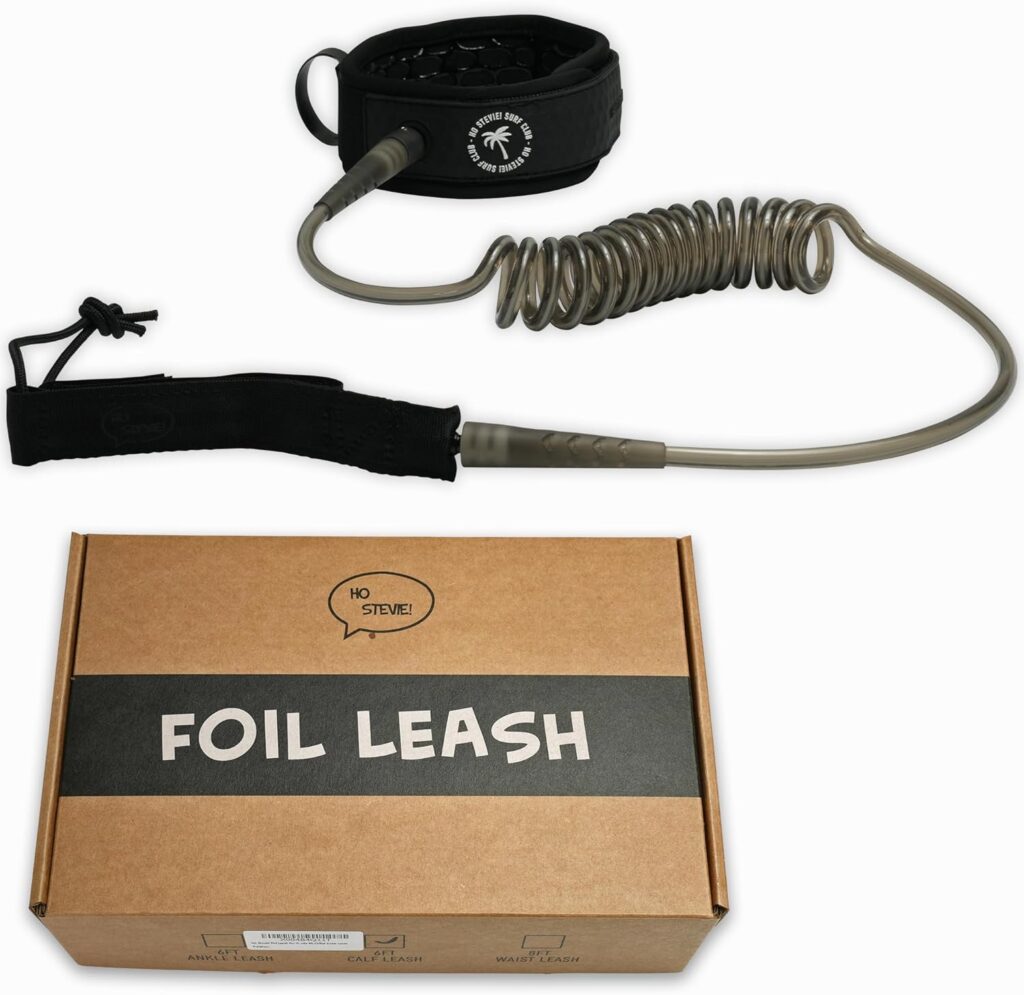
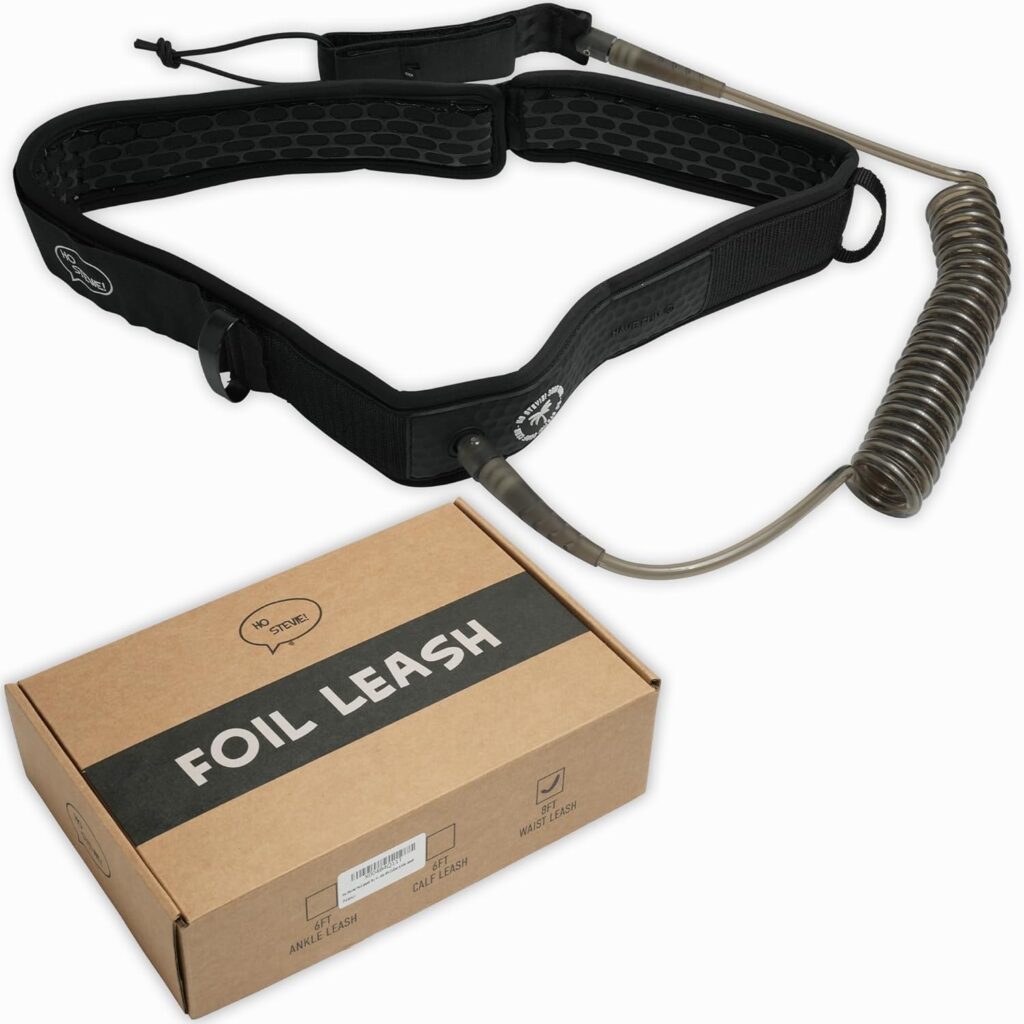
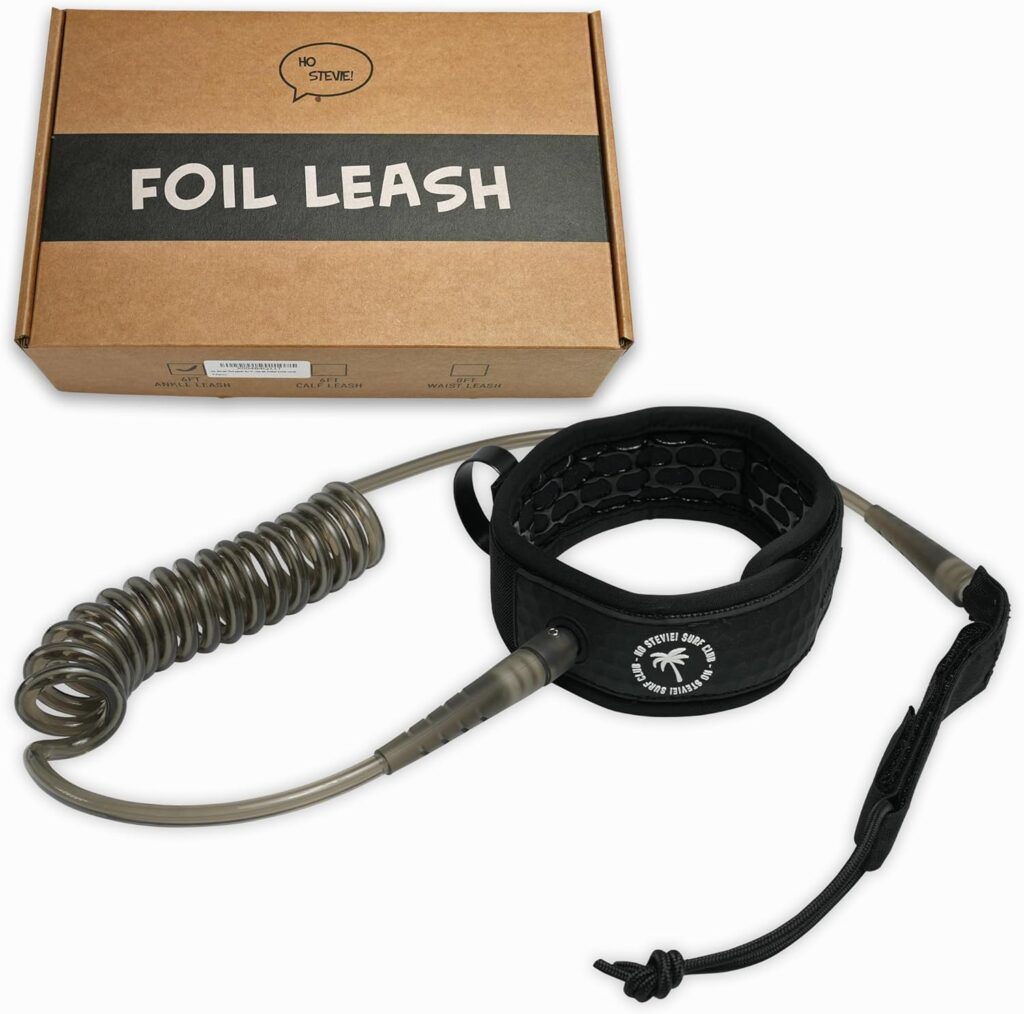
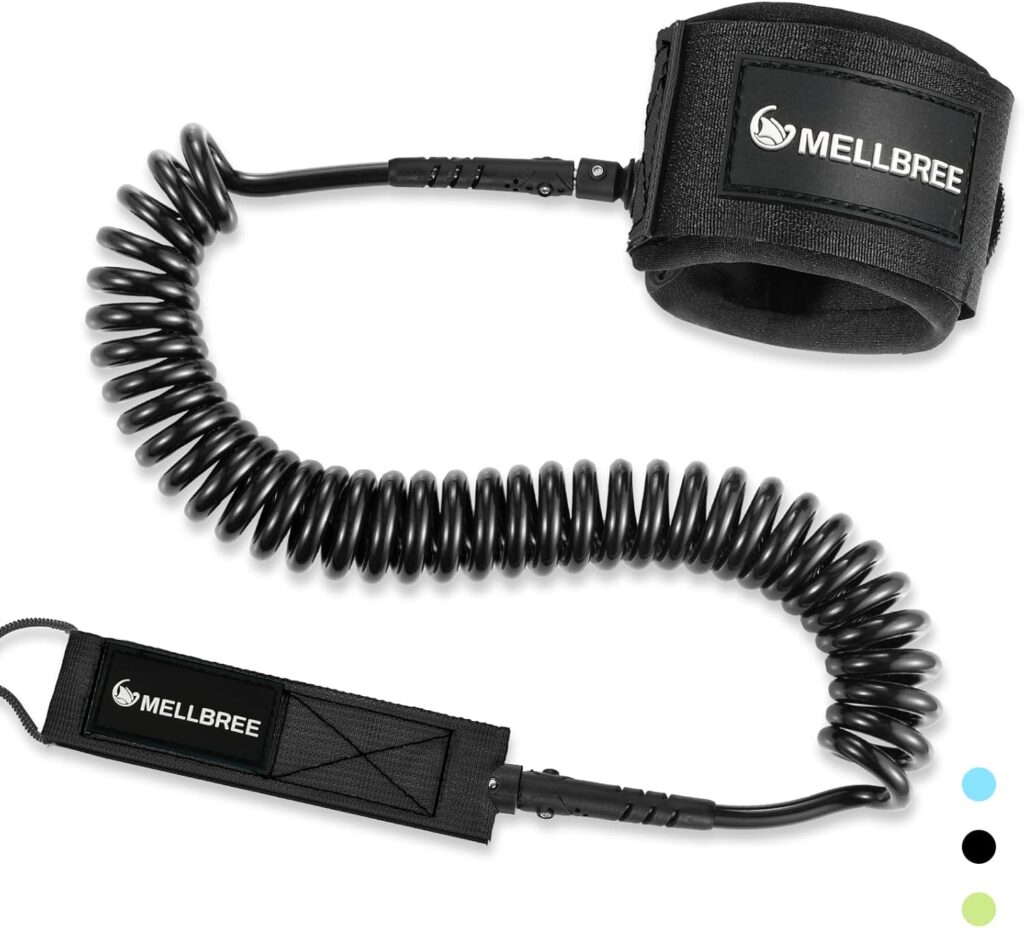
A beginner foil board, a foil set (mast, fuselage, wings), a helmet, an impact vest, a leash, a wetsuit appropriate for your water temperature, and either a boat/jet ski for tow-foiling, or access to waves/kite/wind for other foiling disciplines.
How fast do hydrofoil boards go?
Recreational beginner setups typically fly at 10–20 mph. Advanced riders and purpose-built race foils can reach 30–40 mph. Speed kite foiling and windfoiling records exceed 50 mph. As a beginner, you want to stay in that 10–18 mph zone.
Do I need surfing experience before trying hydrofoiling?
Surfing experience helps, but it’s not required. What matters more is general board sport comfort, good body awareness, and the ability to stay calm when things feel unstable. Snowboarders and skateboarders often adapt to foiling very quickly.
What are the best conditions for beginner hydrofoil surfing?
Flat water, light wind, and good visibility. Calm bays, lakes, and protected coves are ideal. Avoid choppy ocean conditions, strong currents, or crowded waterways until you have solid control and can reliably stop or steer away from hazards.
How do I stop a hydrofoil board?
The simplest way is to reduce your back foot pressure, allowing the board to descend back to the water surface, then trail off naturally as speed drops. You can also lean forward sharply to bring the nose down. Avoid jumping off at speed, the board and foil can follow you into the water dangerously.
The Bottom Line on Hydrofoil Surfing Tips
Hydrofoil surfing is one of the most exhilarating sports on the planet and yes, it has a learning curve that’ll test your patience. But with the right hydrofoil surfing tips, the right gear, and the right mindset, it’s absolutely something any motivated beginner can learn.
Start low and slow. Learn how to balance on a hydrofoil before chasing height. Avoid the classic hydrofoil beginner mistakes like standing too fast and riding choppy water too soon.
Use proper foil surfing technique, apply the right first-time hydrofoiling tips, and don’t be afraid to take hydrofoil lessons to compress your learning curve. Understand what to expect, stay safe, and trust the process.
The moment your board lifts off the water and you’re gliding in silence above the surface, there is nothing quite like it. That feeling is worth every fall, every failed attempt, and every early morning paddle.