Foil Surfing Safety Gear: Everything You Must Wear Before You Ride
Foil surfing safety gear isn’t just an accessory, it’s the difference between an incredible session on the water and a trip to the emergency room. Hydrofoil surfing, or foiling, is one of the fastest-growing water sports in the world right now, and for good reason.
The feeling of gliding above the water on a board lifted by a sleek underwater wing is unlike anything else. But that same thrilling lift also means you’re riding a high-speed machine with razor-sharp edges in an unpredictable environment.
Before you ever touch the water, your safety kit needs to be dialed in. People often ask, ‘is hydrofoiling hard?’ Honestly, yes at first. Learning to balance on a foil board while managing speed, swell, and direction takes real practice. Beginners tend to fall frequently, and those falls can be rough.
The foil mast and wings are solid aluminum or carbon fiber, and they don’t care how excited you are to be out on the water. Without proper hydrofoil protective gear for beginners, even a modest tumble can turn into a serious injury. The sport demands respect from day one.
RELATED: eFoil vs. manual hydrofoil board
Why Foiling Safety Is a Whole Different Ball Game
Surfing has its risks. Kiteboarding has its risks. But foiling combines the speed and aerial nature of kiteboarding with the unpredictability of open water, and adds a rigid carbon or aluminum structure right beneath your feet.
When you fall and you will fall, you’re falling around a machine that can cut, puncture, or bruise you before you even realize what hit you.
Foiling injuries prevention isn’t something you think about after you’ve already gotten hurt. It’s something you build into your routine before you ever paddle out.
The most common foiling injuries include lacerations from the foil wings and mast, impact injuries from falling at speed, concussions from hitting the board or water hard, and in rare but serious cases, deep puncture wounds from the foil blade.
This is not meant to scare you, it’s meant to prepare you. Thousands of people foil safely every single day around the world because they wear the right gear and practice smart habits. Let’s look at what that gear actually is.
The Non-Negotiables: Core Foil Surfing Safety Gear
There’s gear you can debate about, and then there’s gear that simply isn’t optional. The items below are what every foil rider, beginner or advanced should have on before entering the water.
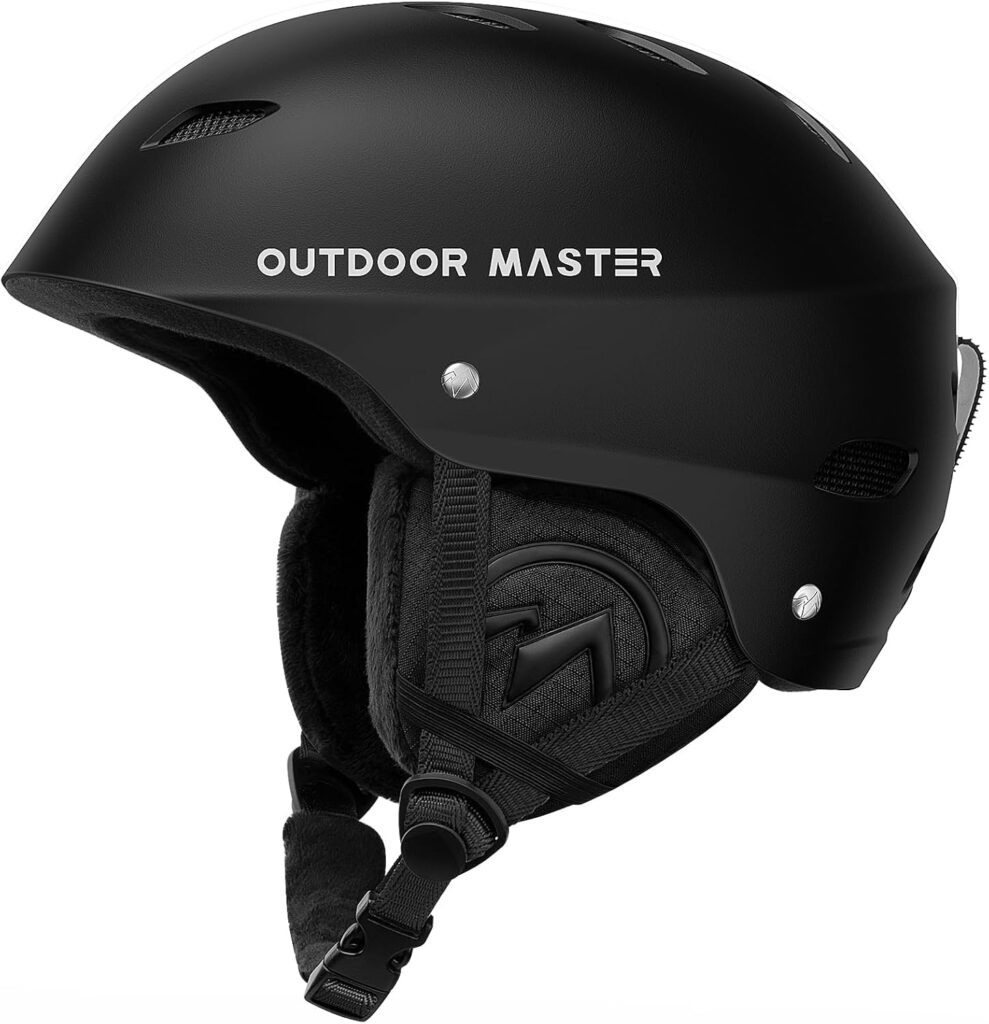
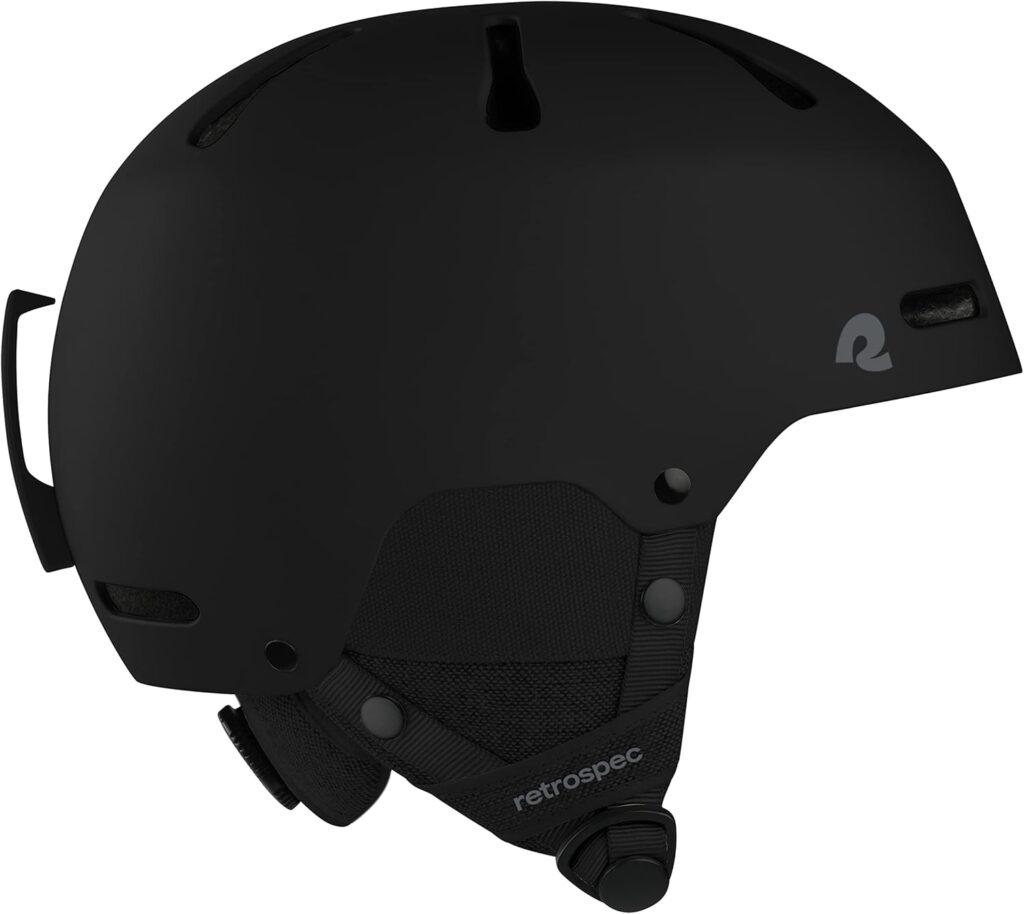
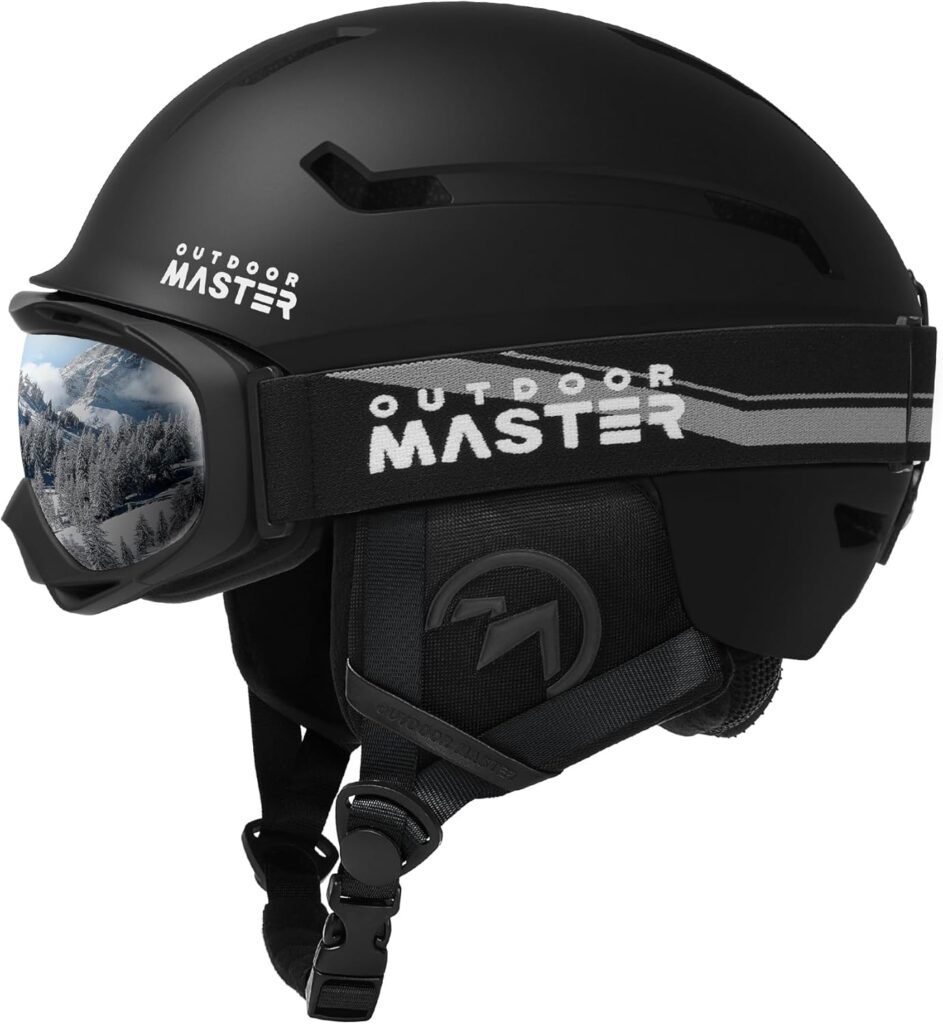
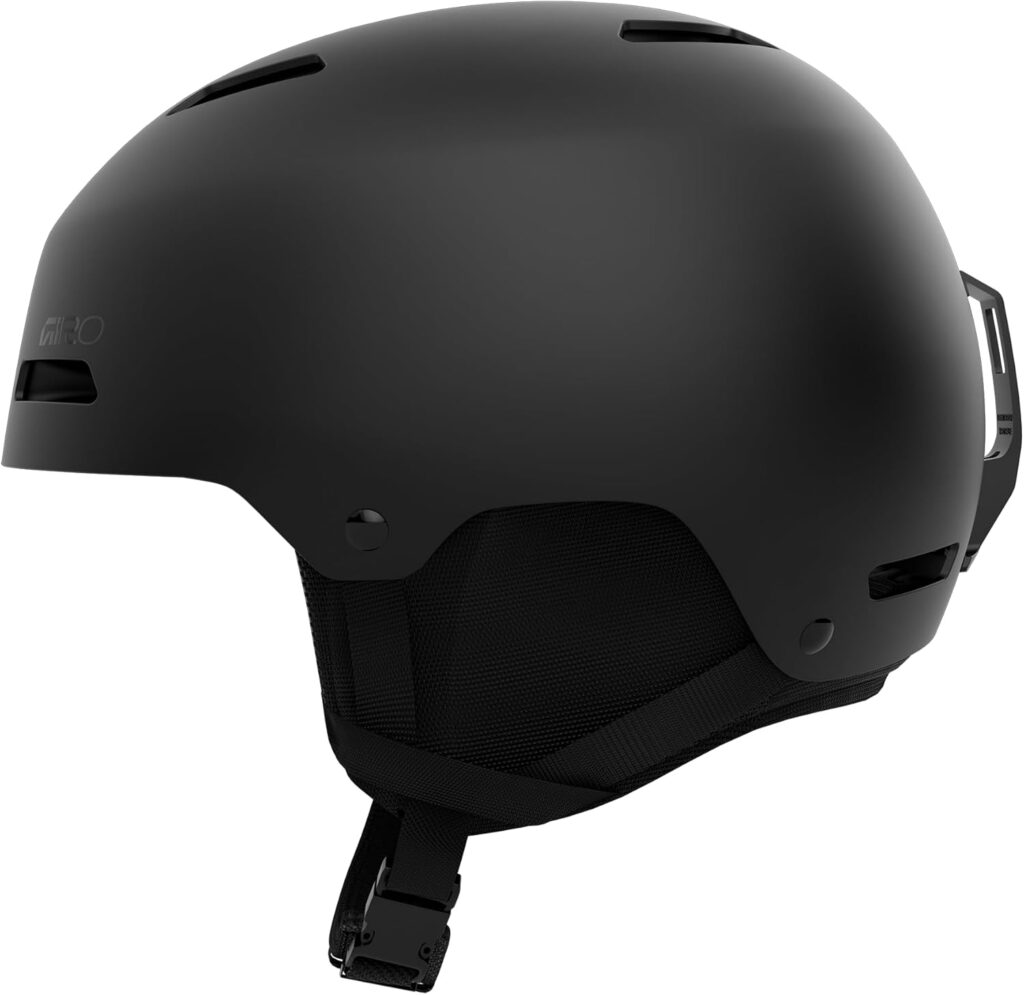
1. Helmet — Your Most Important Piece of Gear
A proper helmet is the single most critical item in your foil surfing safety gear setup. Your head is your most vulnerable asset, and foiling exposes it to real risk. When you fall at speed, you can hit the board, the foil, or the water surface, any of which can cause a concussion or worse.
This hydrofoil helmet guide will help you choose the right one: not every helmet is created equal for foiling.
RELATED: How to choose your first hydrofoil
You need a helmet specifically rated for water sports or impact sports, with full coverage around the back of the head and the temples. A standard skateboard helmet won’t cut it. Look for these key features:
- Full-coverage design: The back and sides of your head need protection, not just the top.
- ABS shell with EPS foam liner: This combination absorbs impact effectively and is standard in quality water sports helmets.
- Water drainage: Look for vents or drain holes so the helmet doesn’t get waterlogged and heavy.
- Secure chin strap: A loose helmet is almost as dangerous as no helmet. The strap should click and hold firmly.
- Certification: Look for CE EN 1385 (watersports) or equivalent certification on the label.
Popular helmet brands used by foilers include Gath, Sandbox, Mystic, and Manera. The Gath Gedi is widely recommended in the foiling community for its full-coverage design and comfortable fit. For impact foiling and prone foiling specifically, some riders opt for full-face helmets, especially in choppier conditions.
💡 Pro Tip: Never buy a used foil helmet. If a helmet has taken a significant impact, the foam liner inside may be compromised — and you won’t be able to tell just by looking at it.
2. Impact Vest — Protect Your Torso and Core
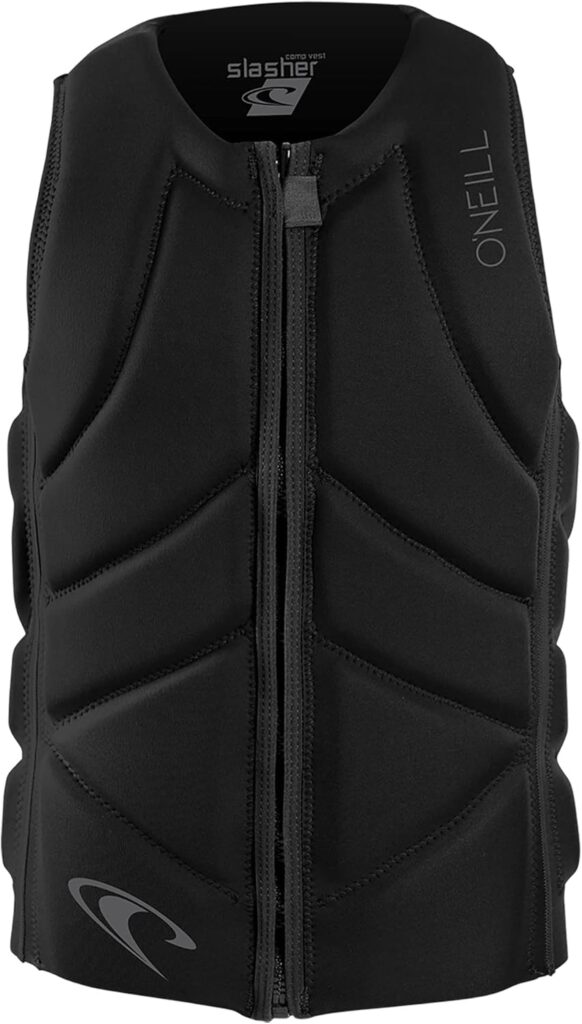
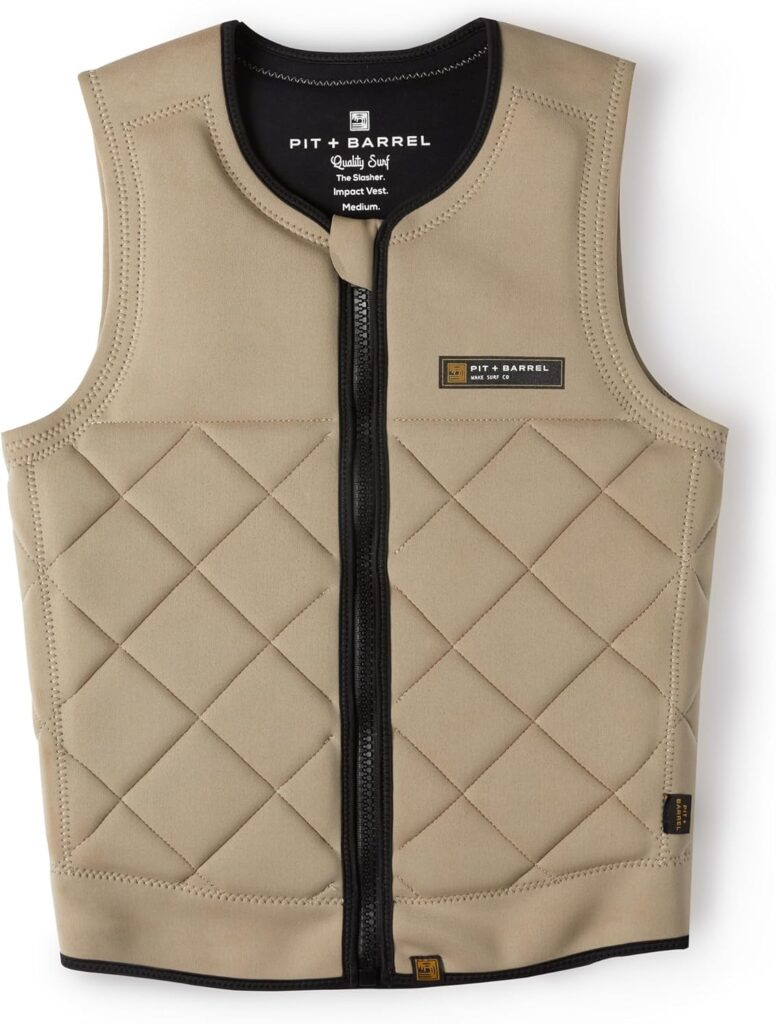
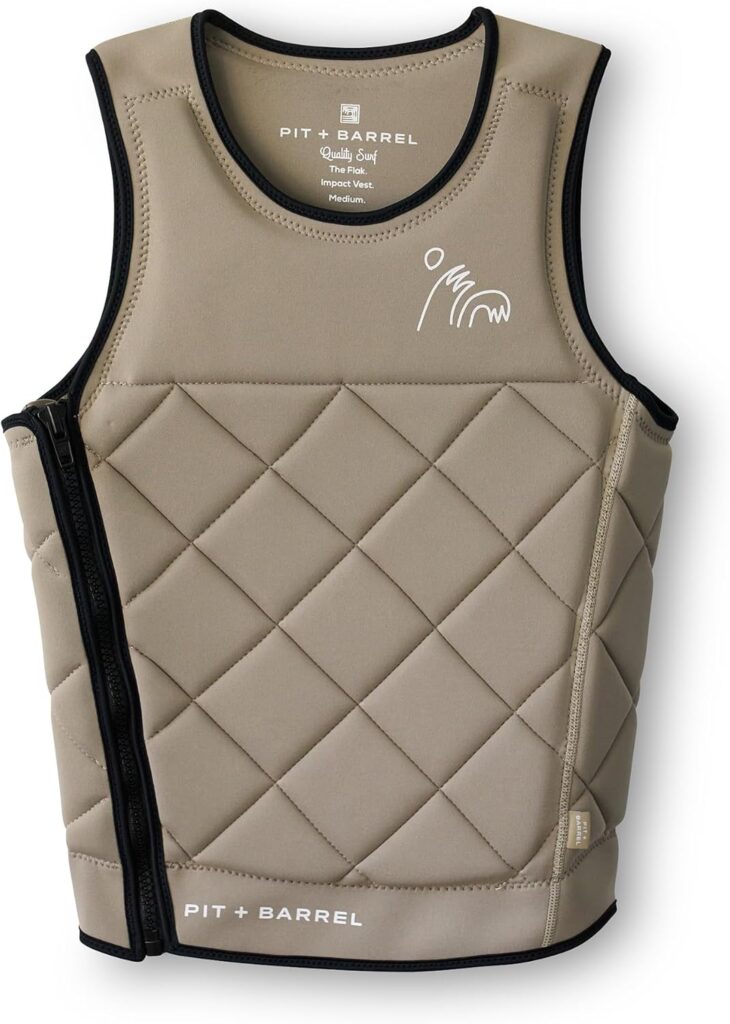
Your torso takes a lot of punishment in foiling falls. Hitting the water at speed is like hitting concrete. It sounds dramatic, but it’s the physics of surface tension at high velocity. An impact vest distributes and absorbs that energy across your chest, ribs, and back.
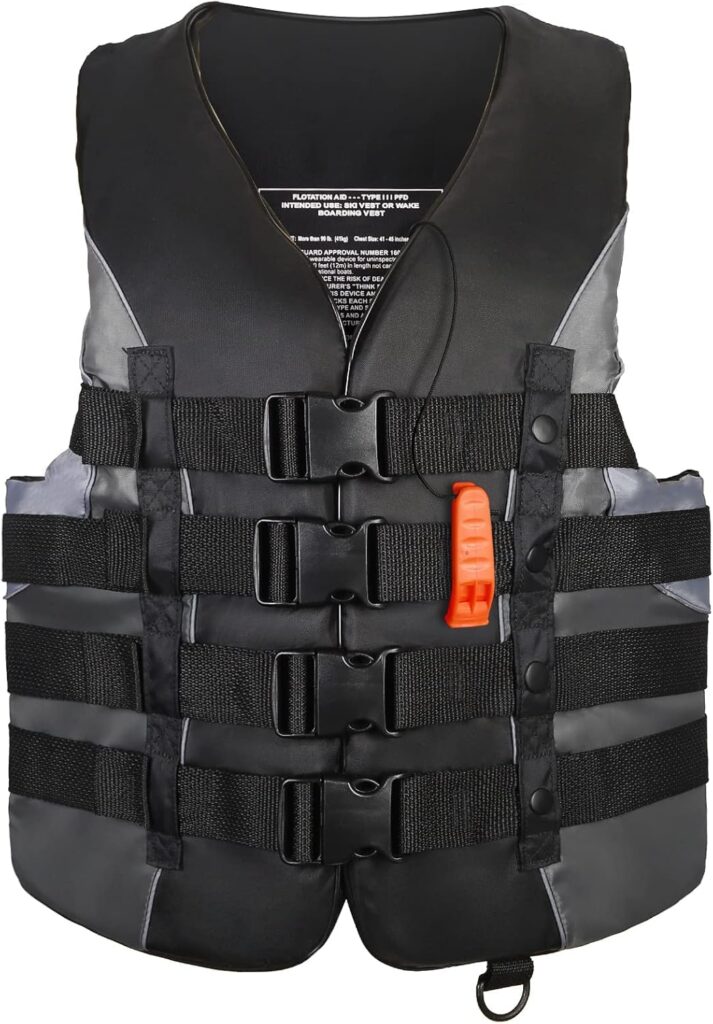
When shopping for the best impact vest for foiling, here’s what to look for:
- Impact foam rating: Look for vests with EVA or D3O foam rated for high-impact water sports. Not all foam is created equal.
- Slim, flexible fit: Foiling requires full range of motion. A bulky vest will restrict your movement. Look for vests designed specifically for foiling or kiteboarding.
- Front-zip vs. back-zip: Front-zip vests are easier to put on and take off, which matters if you’re rigging quickly. Back-zip vests sometimes offer a cleaner profile.
- USCG/CE approval: Some impact vests also double as personal flotation devices (PFDs). If yours is USCG-approved, it provides buoyancy in addition to impact protection.
Top picks in the foiling community include the ION Riot Select, Manera Mesh Vest, and the Ride Engine impact vest. These are purpose-built for high-performance water sports and offer excellent protection without restricting movement.
| Vest Type | Best For | Impact Protection | Flotation |
| Standard Impact Vest | Foiling, kiteboarding | High | None |
| USCG-Approved Impact Vest | Beginner foilers, open water | Medium–High | Yes |
| Wetsuit Vest Combo | Cold water foiling | Medium | Minimal |
| Softshell Vest | Warm water foiling | Medium | None |
3. Foil Board Leash — Choosing the Right Type
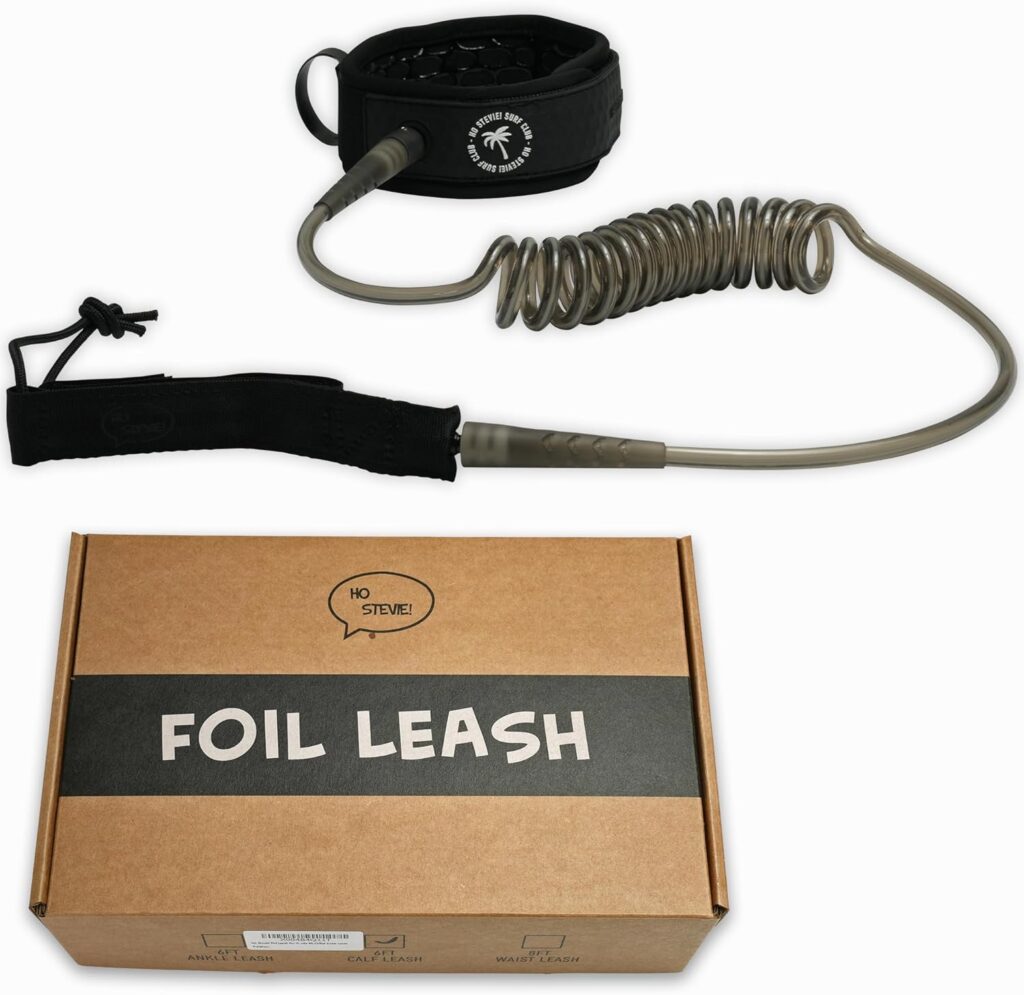
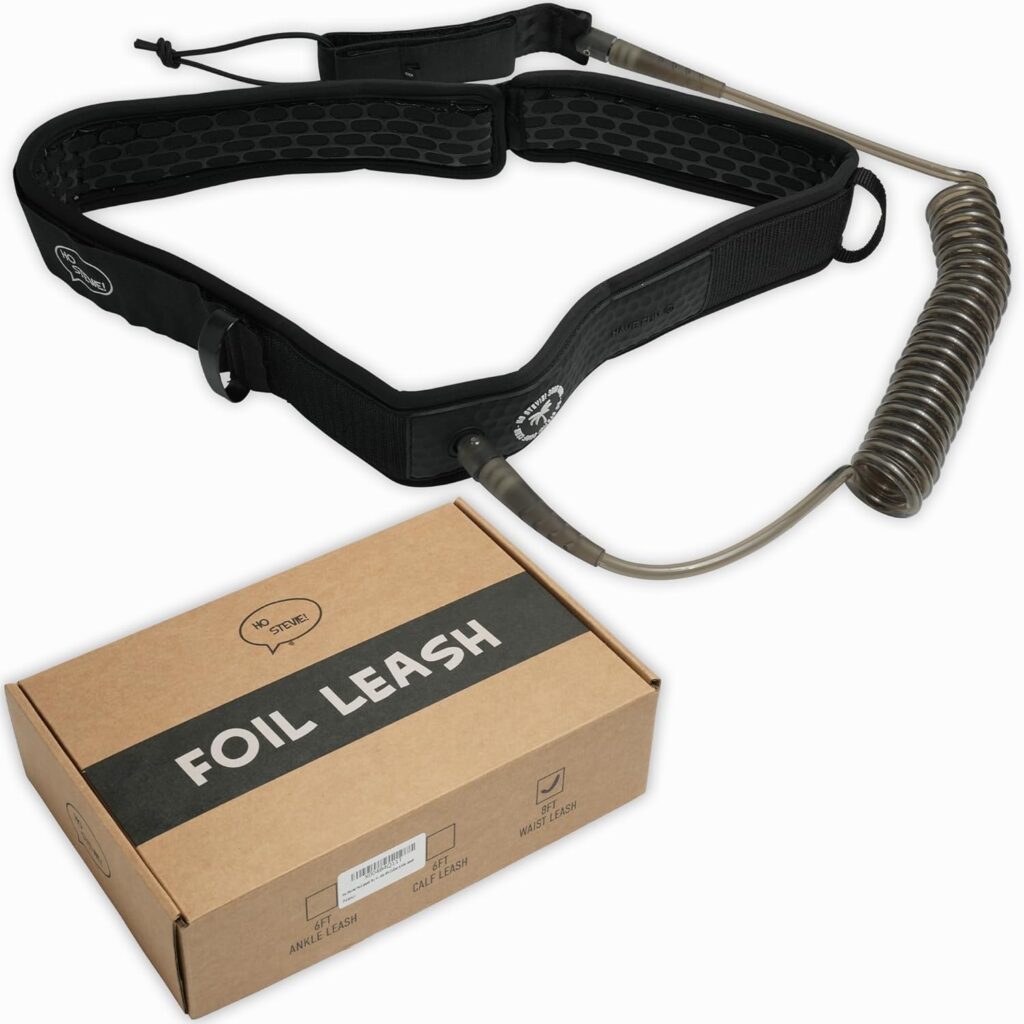
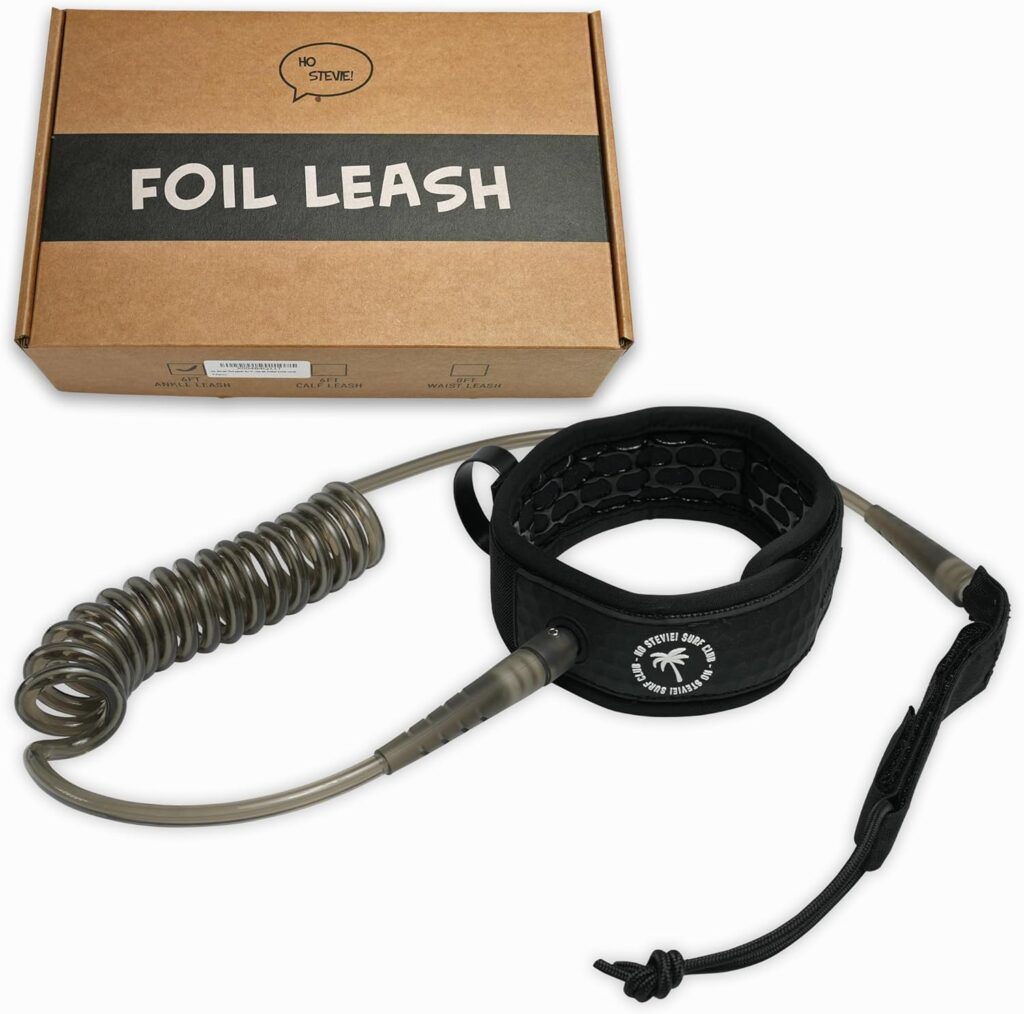
The foil board leash type you use matters enormously and this is where foiling differs significantly from regular surfing. In traditional surfing, a standard ankle leash makes sense. In foiling, the same leash can become a serious safety hazard.
Here’s why: when you fall, your board can fly backward at speed. A standard leash attached to your ankle can cause the board to rocket back toward you or worse, cause an entanglement when you’re underwater. The foil itself can wrap the leash and pull you down, which is a real drowning risk.
The current recommendation across the foiling community and from safety experts is to use one of the following:
- Waist/hip leash: Attaches around your waist or hips rather than your ankle, giving you more time and distance from a flying board. Most recommended for foiling.
- Quick-release leash: Features a mechanism you can pull to instantly detach from the board in an emergency. Strongly recommended for all foilers.
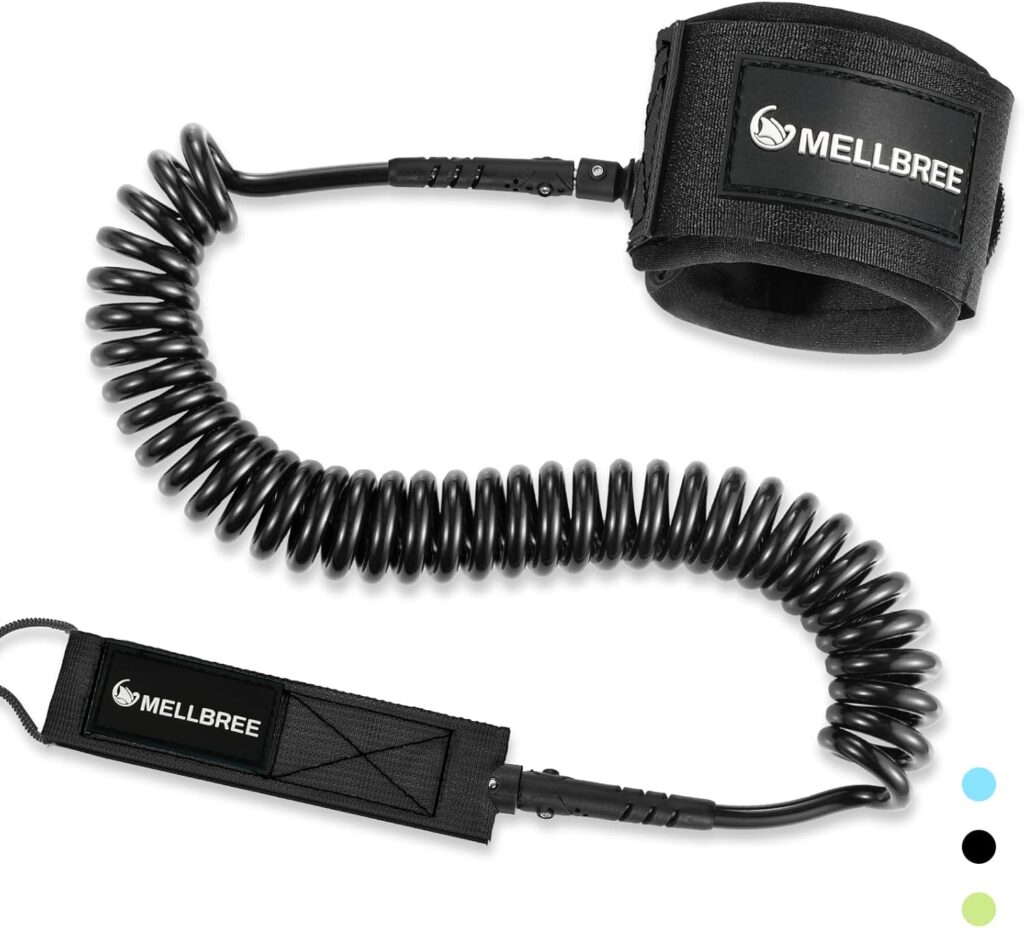
- Coil leash: A coiled leash stays out of the water and reduces the drag that can yank your leg. Works well for wing foiling specifically.
Many experienced foilers actually use a combination – a waist-mounted, quick-release coil leash. This setup keeps the board attached without creating dangerous drag or entanglement risk around your feet.
⚠️ Safety Note: Never use a standard straight ankle leash for foiling. The entanglement and snap-back risk is significant enough that this is widely considered a safety hazard in the foiling community.
 |  |  |  |
|
|
|
|
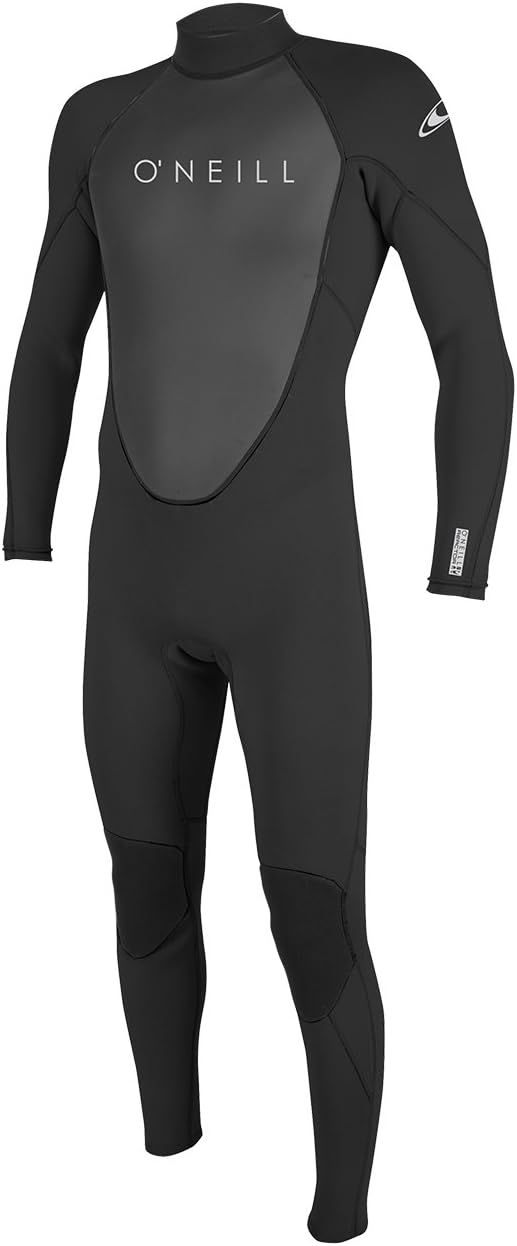
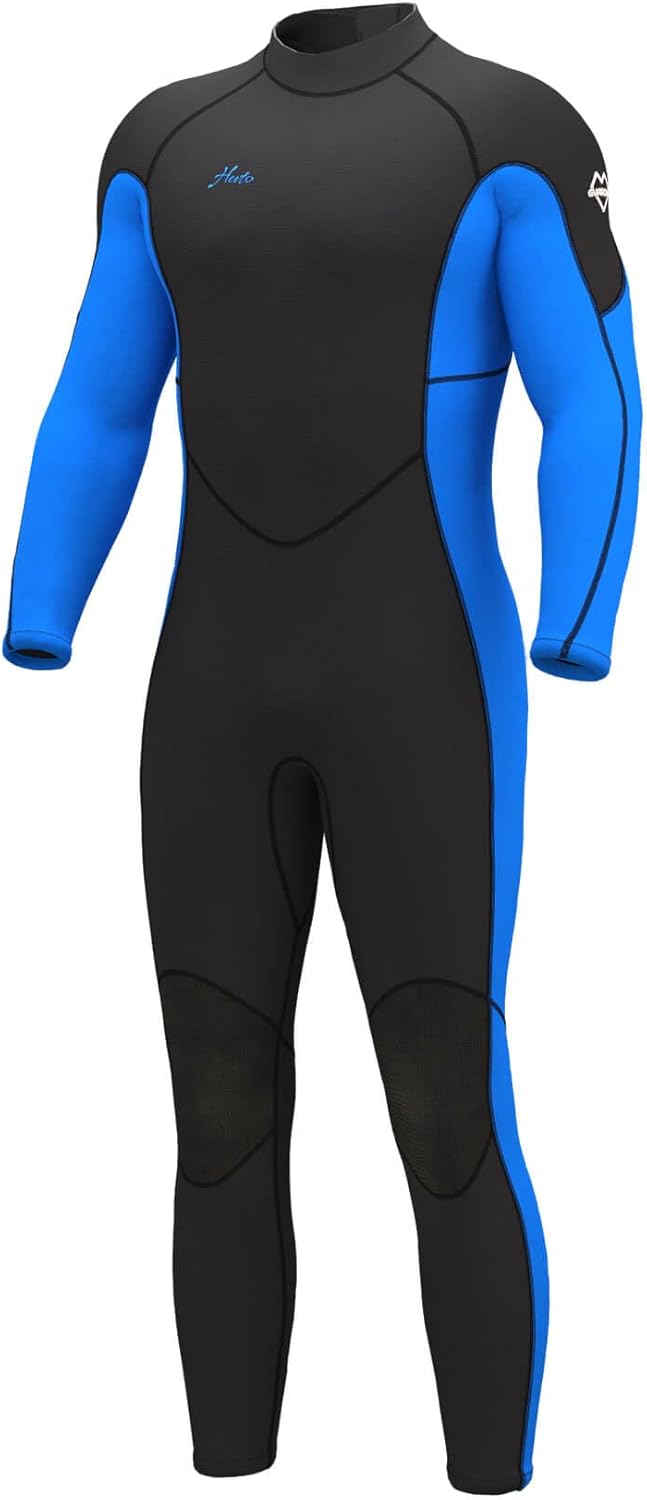
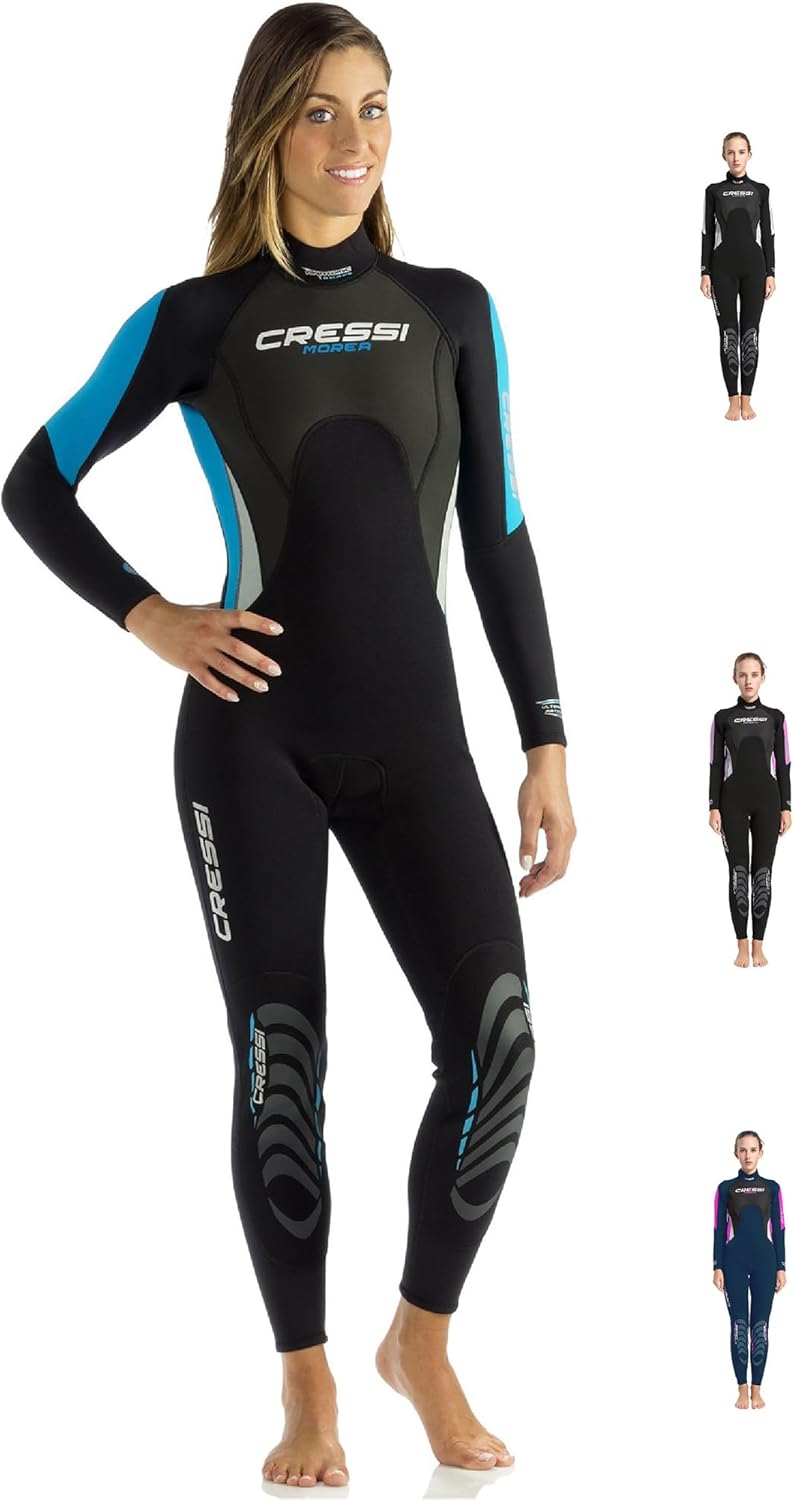
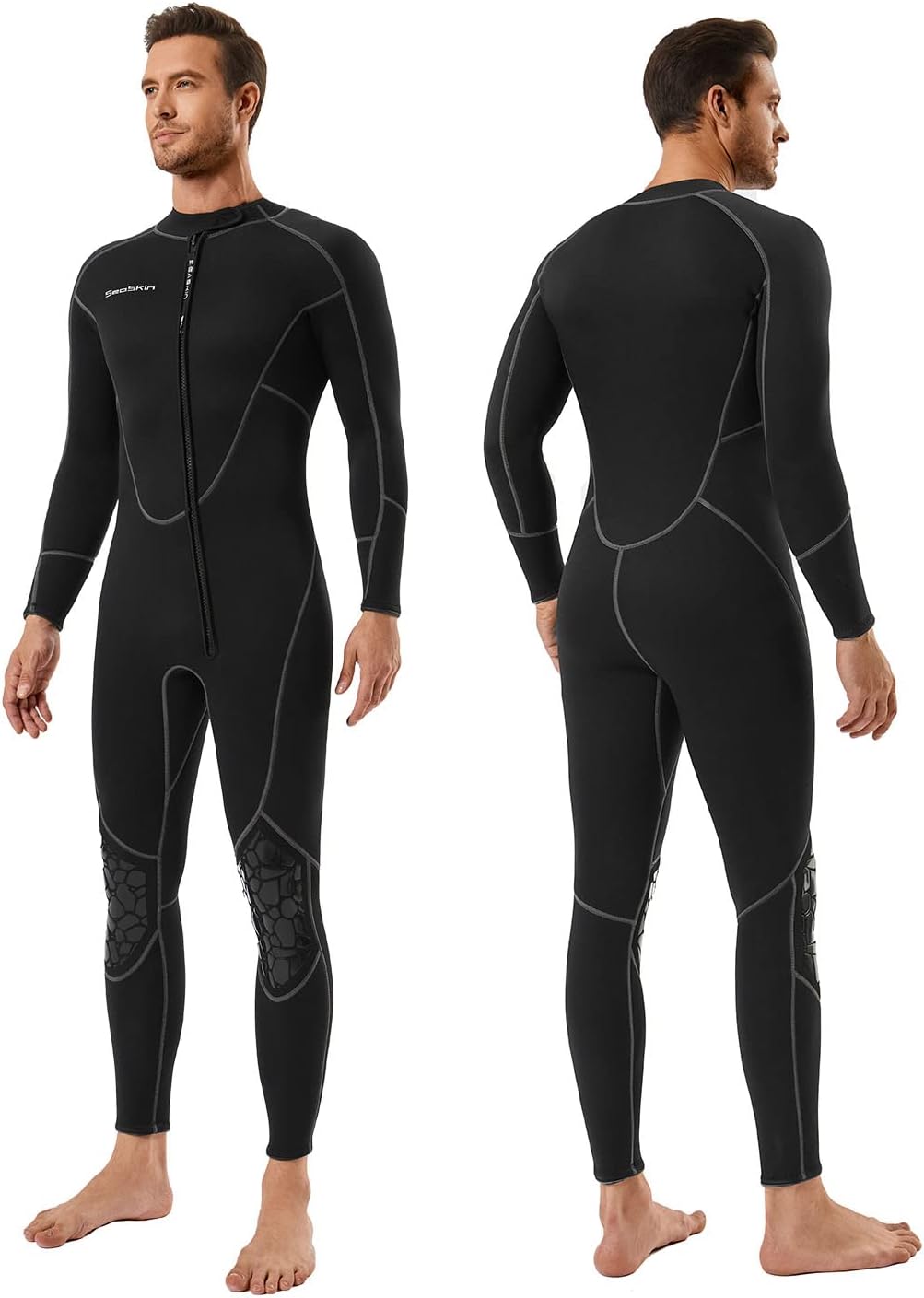
4. Wetsuit or Rash Guard — More Than Temperature Regulation
A wetsuit or rash guard does more than keep you warm. It provides a layer of abrasion protection against the foil itself. If the foil wing grazes your leg during a fall, which happens, bare skin will fare far worse than a 2mm wetsuit or even a thick rash guard.
Choose your thickness based on water temperature:
- Above 24°C (75°F): A 1–2mm shorty or full-length rash guard is sufficient for protection.
- 18–24°C (64–75°F): A 2–3mm full wetsuit is ideal.
- Below 18°C (64°F): A 4–5mm wetsuit with sealed seams keeps you warm and protected.
For warm-water riders, full-length rash guards made from UPF 50+ material are a smart choice. They protect against sun, abrasion, and provide a small layer of cushioning without the heat of a wetsuit. Brands like Patagonia, O’Neill, and Quiksilver offer excellent options.
Additional Hydrofoil Safety Gear Worth Considering
Once you’ve got the core gear sorted, these additional items will round out your kit and address specific risk areas.
 |  |  |  |
|
|
|
|
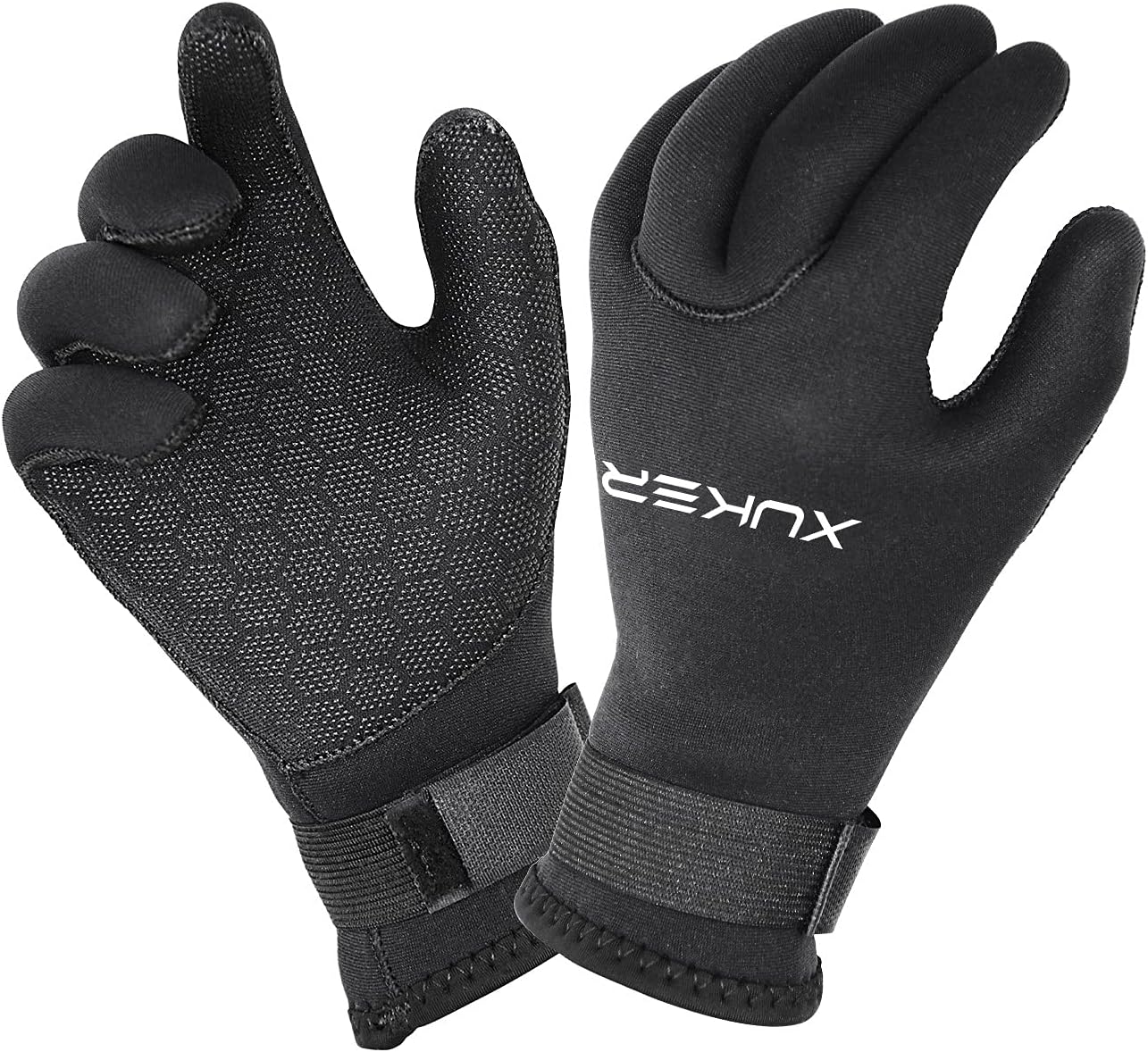
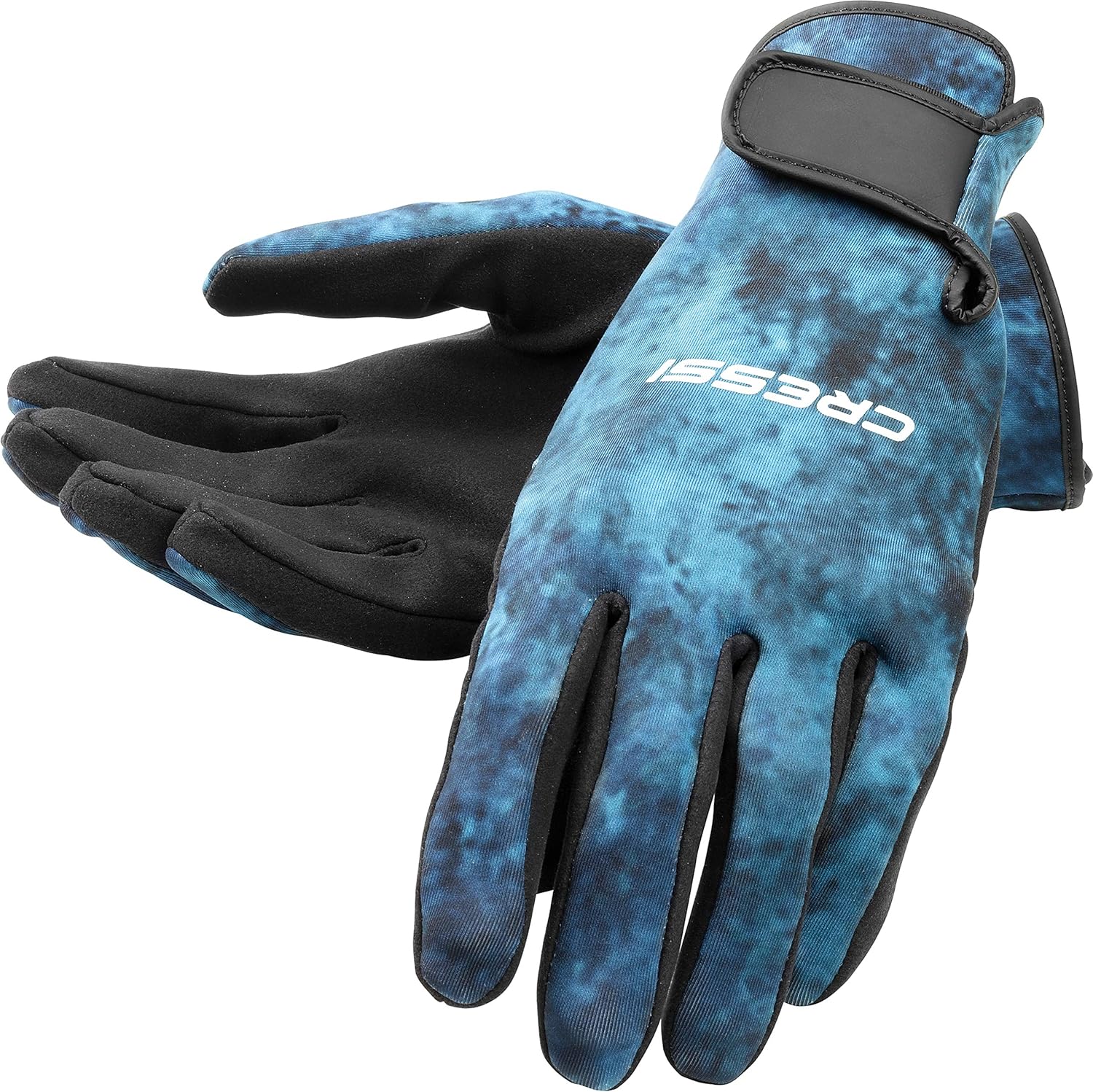
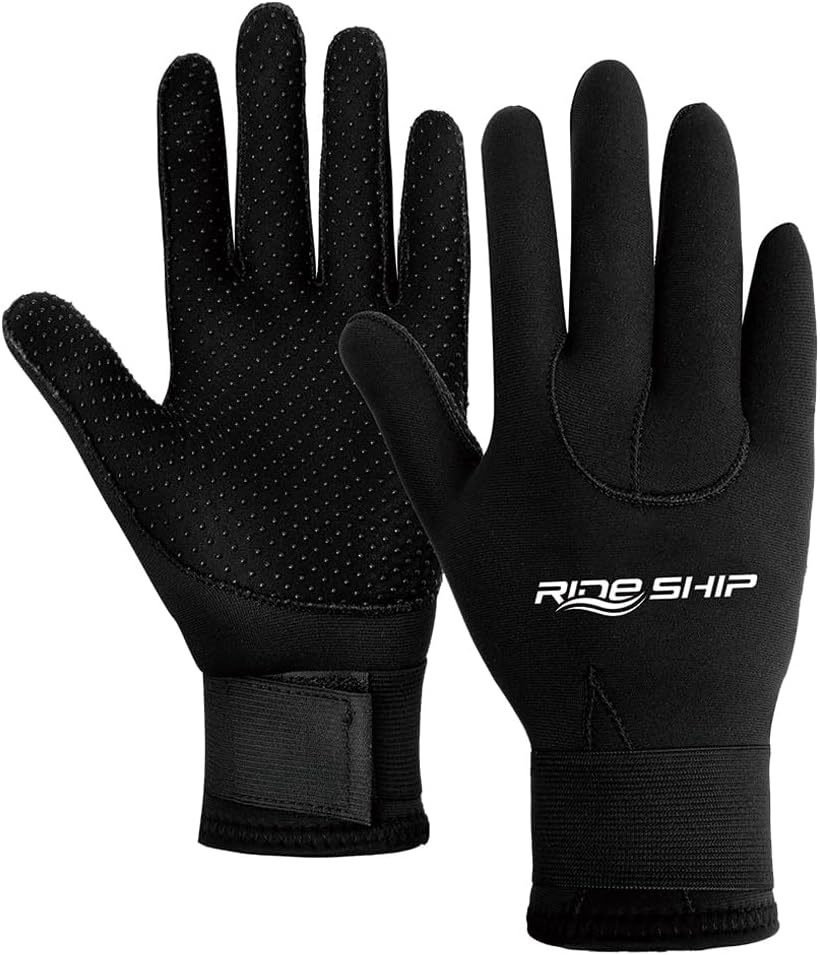
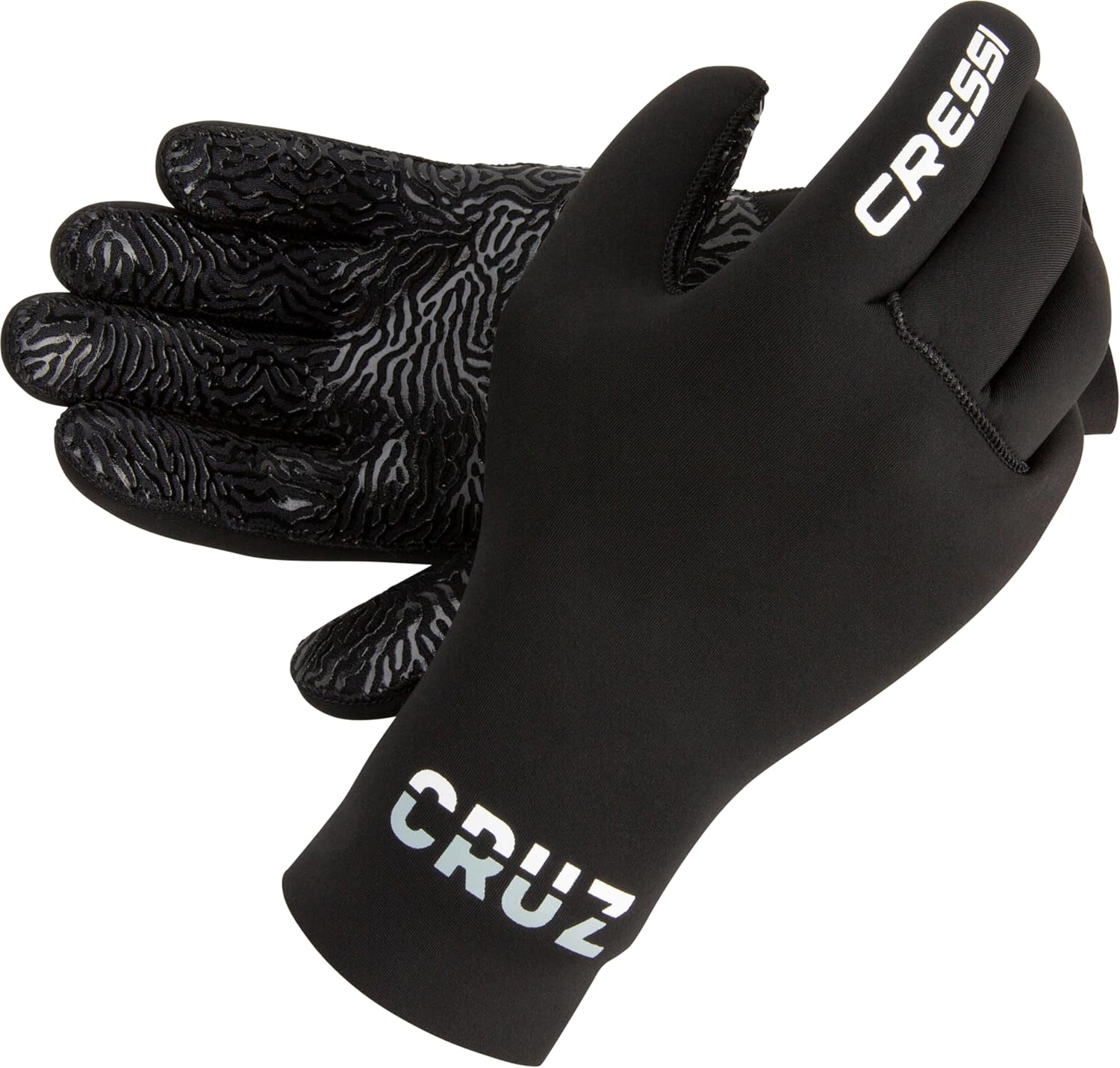
5. Booties and Gloves
Your hands and feet are the most exposed body parts when you’re on a foil board. Booties provide grip on the board and protect your feet from the foil edges, reef, or rocky launches.
They also provide warmth in cooler water. Look for 2–3mm split-toe booties for the best board feel while maintaining protection.
Gloves serve a similar purpose for your hands. In cold water, neoprene gloves keep your fingers functional and dexterous. In warm water, fingerless water sports gloves help with grip and protect your palms from abrasion when you catch yourself during a fall.
Product Image | Product Name | Key Features | Rating | Price |
 |
| |||
 |
| |||
 |
| |||
 |
| |||
 |
| |||
 |
|
6. Sunscreen and UV Protection
This one sounds obvious, but it’s frequently overlooked in the excitement of gearing up. Foiling sessions often run long because the sport is so addictive.
A UPF-rated wetsuit or rash guard covers most of your skin, but your face, neck, and hands still need protection. Use a reef-safe, water-resistant SPF 50+ sunscreen and reapply every two hours.
7. Visibility Gear for Boat Traffic Areas
If you’re foiling in an area with boat traffic, visibility is a legitimate safety concern. Foil boards sit low to the water when not actively riding, making them hard for boaters to see. Options include:
- Brightly colored boards or gear
- A small safety flag on a flexible mast
- A brightly colored helmet (easier than it sounds to spot from a boat)
- Foiling in designated or marked areas where possible
8. Personal Flotation Device (PFD)
Not all foilers wear a dedicated PFD since a well-designed impact vest can serve dual purposes, but if you’re foiling in deep water, offshore, or as a beginner, a slim-profile PFD is worth adding.
Inflatable belt-pack PFDs are popular in the foiling world because they don’t interfere with movement but can be deployed instantly if needed.
Hydrofoil Safety Tips Beyond the Gear
Great gear is only part of the equation. Your behavior and habits on the water are just as important when it comes to how to stay safe on a hydrofoil.
Start Low, Go Slow
Most beginner foil injuries happen when riders try to get airborne before they’ve developed the muscle memory for it. Spend your first sessions just paddling on the board without activating the foil. Then progress to feeling the lift without fully flying. Master each step before moving to the next.
Choose the Right Conditions
Beginners should foil in flat, calm water with light wind. Choppy conditions make the foil unstable and dramatically increase fall frequency.
Seek out protected bays, flat lagoons, or calm river mouths for your first sessions. As your skill develops, you can gradually introduce more challenging conditions.
Never Foil Alone
Always have a spotter or a buddy who knows where you are and can respond if something goes wrong.
Foiling alone in a remote location is one of the highest-risk things you can do in this sport. If you must go alone, make sure someone onshore knows your plan and expected return time.
Know Your Escape Falls
Falling correctly is a learnable skill in foiling. When you feel the board going out from under you, the safest fall is to go sideways away from the board and foil and enter the water flat or at a shallow angle.
Avoid diving head-first or feet-first. Protect your head with your arms if you’re close to the equipment.
Check Your Gear Before Every Session
Every foil session should begin with a quick gear check:
- Is the foil properly torqued and secured to the mast?
- Is the mast to board connection tight?
- Is your helmet strap secure and adjusted?
- Is your leash attached correctly and the quick-release functional?
- Is your impact vest zipped and fitting snugly?
A loose foil connection or a failed leash can turn a normal session into an emergency. Five minutes of checking before every ride is well worth it.
Frequently Asked Questions About Foil Surfing Safety Gear
Is hydrofoiling hard for complete beginners?
Yes, is hydrofoiling hard especially in the first few sessions. The learning curve is steep because you’re simultaneously learning balance, weight distribution, speed control, and wave reading.
However, with consistent practice and proper instruction, most people start getting their first sustained flights within 5–15 sessions. Taking a lesson from a certified instructor makes a massive difference.
What’s the minimum safety gear a beginner should have?
At a bare minimum: a certified impact helmet, an impact vest, and an appropriate foil board leash type (waist-mount with quick-release).
These three items address the three biggest risk areas — head injury, torso impact, and board entanglement. Everything else is additional protection on top of this foundation.
Can I use a regular surf helmet for foiling?
Not ideally. A standard surf helmet may not have the same level of back-of-head and temple coverage that foiling demands.
Consult our hydrofoil helmet guide criteria: you want full coverage, water drainage, and a secure strap system. A dedicated water sports or skate-style impact helmet with full coverage is the right choice.
Do I need a different wetsuit for foiling?
Not necessarily — any quality wetsuit in the right thickness for your water temperature works. The key is that you’re wearing something.
A wetsuit’s neoprene provides abrasion protection against the foil, which bare skin does not. If you’re in warm water, a full-length rash guard is the minimum recommended.
What type of leash is safest for foiling?
The safest foil board leash type is a waist-mounted, quick-release coil leash. This setup keeps the board connected without the snap-back and entanglement risk of a standard ankle leash. In an emergency, you can pull the quick-release to separate from the board instantly.
Are there age or health restrictions for foiling?
Most foiling schools and rental operators require participants to be reasonably physically fit and able swimmers. There are no universal age restrictions, but the sport’s physical demands mean it’s typically suited to adults and older teens with some water sports experience.
Anyone with cardiovascular conditions, recent surgeries, or significant joint problems should consult a doctor before starting.
How do I practice foiling safely as a beginner?
Begin on flat, calm water. Start on a larger volume board to maximize stability. Use a lower aspect ratio foil (wider, more stable wings) to begin with. Practice prone paddling and board balance before activating the foil.
Take at least one or two lessons from a certified instructor. Wear all your hydrofoil protective gear for beginners on every session, even the casual ones.
What should I do if my foil gets tangled in the leash?
This is why a quick-release leash is so important. If you find yourself tangled in a leash around the foil underwater, stay calm, stop struggling, locate the quick-release pull tab, and release it immediately.
Practice locating the quick-release tab without looking at it before you get in the water, muscle memory could save your life in this scenario.
How much does a full safety gear setup cost?
A solid entry-level foil safety kit typically costs:
| Gear Item | Entry-Level Cost (USD) | Mid-Range Cost (USD) |
| Helmet | $60–$100 | $120–$200 |
| Impact Vest | $80–$120 | $150–$250 |
| Leash (quick-release) | $30–$60 | $60–$100 |
| Wetsuit/Rash Guard | $40–$100 | $150–$350 |
| Booties | $30–$50 | $60–$100 |
| Total (approx.) | $240–$430 | $540–$1,000 |
This is a meaningful investment, but it’s small compared to the cost of a foil setup itself and infinitely smaller than a hospital visit.
What are the most common injuries in foiling and how are they prevented?
The most commonly reported foiling injuries include:
- Lacerations from the foil: Prevented by wetsuits, booties, and falling away from the board.
- Concussions: Prevented entirely by wearing a proper full-coverage impact helmet.
- Rib/torso bruising: Reduced significantly by wearing the best impact vest for foiling.
- Ankle/knee sprains: Reduced by proper stance training and progressive skill development.
- Shoulder dislocations: Common in forceful water impact; avoided by correct fall technique and wearing an impact vest.
The pattern is clear; the right gear and the right habits together cover the vast majority of foiling injuries prevention scenarios.
Quick-Reference: Foil Surfing Safety Gear Checklist
Use this before every session:
| Gear | Priority Level | What It Protects |
| Full-coverage helmet | Essential | Head, concussions |
| Impact vest | Essential | Chest, ribs, back |
| Quick-release waist leash | Essential | Entanglement, drowning risk |
| Wetsuit or rash guard | Essential | Abrasion, temperature |
| Booties | Recommended | Feet, foil lacerations |
| Gloves | Recommended | Hands, grip, abrasion |
| PFD (belt-pack) | Recommended for beginners | Flotation |
| UV protection/sunscreen | Always | Skin |
| Visibility gear | Required in boat traffic | Being seen |
Choosing Your Gear Based on Skill Level
Beginners
As a beginner, your fall rate is going to be high — that’s completely normal, and it’s exactly why the full hydrofoil protective gear for beginners kit matters most at this stage.
Don’t cut corners on any of the essentials. Invest in a quality helmet, impact vest, and quick-release leash before you spend anything else. You can upgrade the bells and whistles later.
Take lessons. Seriously — even one or two sessions with a qualified instructor will save you months of frustration and significantly reduce your injury risk by teaching you proper technique, correct fall habits, and how to read the foil’s behavior.
Intermediate Riders
At this level you’ve got your basics dialed, but you’re probably pushing into higher speeds or more challenging conditions. This is when many riders get complacent about gear because they’ve stopped falling as often. Don’t. Higher speeds mean higher consequences when you do fall. Upgrade to a higher-rated impact vest and consider adding booties and gloves if you haven’t already.
Advanced Riders
Advanced foilers — especially those doing wing foiling, downwind foiling, or prone big-wave foiling — should be considering full-face helmets, higher-rated PFDs, and possibly cut-resistant leggings or arm guards. The discipline matters too: downwind foiling in open ocean has very different risk factors than flat-water freestyle.
Bottom Line on Foil Surfing Safety Gear
Foil surfing safety gear is not optional — it’s the foundation of every good session. Whether you’re asking yourself ‘is hydrofoiling hard’ for the first time or you’re an intermediate rider looking to level up, the right gear is what keeps you in the water and out of the clinic.
To recap what we’ve covered: always wear a full-coverage certified helmet (use this hydrofoil helmet guide to choose the right one), pair it with the best impact vest for foiling, and use an appropriate foil board leash type — ideally a waist-mounted quick-release coil leash. Add a wetsuit or full rash guard for abrasion protection, and layer in booties, gloves, and PFD as your skill level and conditions demand.
Foiling injuries prevention is mostly common sense — wear the right hydrofoil protective gear for beginners and experienced riders alike, learn to fall correctly, never foil alone, and check your equipment before every session. Follow the hydrofoil safety tips in this guide and practice how to stay safe on a hydrofoil every time you paddle out.
The reward for getting this right is real: a sport that is as thrilling as anything you’ll do on the water, enjoyed safely and sustainably for years to come. Now go get your foil surfing safety gear sorted — the water’s waiting.